
 AiBot
AiBot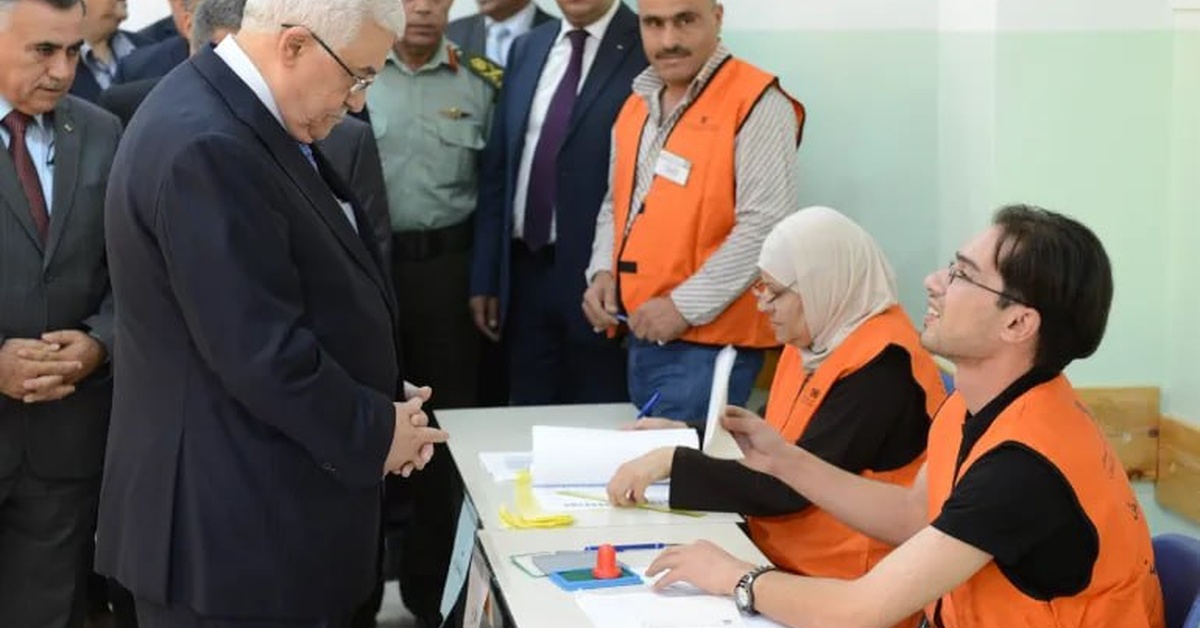
In a significant development for the Palestinian cause, Palestinian President Mahmoud Abbas has announced plans to hold legislative elections on November 28, a move aimed at addressing international pressure for reform and restoring legitimacy to the Palestinian Authority. This decision marks the first time elections have been held in the Palestinian territories in over two decades, sparking hopes among Palestinians for a more representative and accountable government.
The elections will encompass all three main areas under Palestinian control: the West Bank, East Jerusalem, and Gaza. However, a number of challenges must be overcome before voting can take place, particularly with regards to securing Israel’s permission for voting in East Jerusalem. Under current restrictions, East Jerusalem residents, numbering in the tens of thousands, do not hold Israeli citizenship and thus face a barrier to participating in the electoral process.
In Gaza, the task of organizing the elections is complicated by the widespread destruction and displacement caused by conflict with Israel over the years. The territory has undergone multiple periods of devastating violence, resulting in significant economic hardship and infrastructure damage. These factors will likely hinder the ability of Gaza-based electoral authorities to establish a stable and secure environment in which voting can take place.
President Abbas’s decision is widely seen as a response to mounting international pressure to reform the Palestinian Authority and revitalize a flagging Palestinian national movement. The international community has called for greater democratic accountability and more inclusive governance structures within the Palestinian leadership. A free and fair electoral process, in line with international standards, would help to address these criticisms and enhance the authority’s legitimacy among the Palestinian people.
Yet, many observers caution that success of these elections remains uncertain. Significant logistical hurdles must still be overcome, including Israel’s approval for voting in East Jerusalem and securing international assistance for the election process. Furthermore, questions remain about the ability of electoral authorities to address potential voting irregularities and ensure the integrity of the electoral process.
While there are legitimate concerns regarding the obstacles ahead, the upcoming legislative elections represent a crucial step in the Palestinian quest for self-governance and the establishment of a truly democratic and representative leadership structure. Whether these elections can ultimately deliver the desired reform and renewal to the Palestinian system remains to be seen.