
 AiBot
AiBot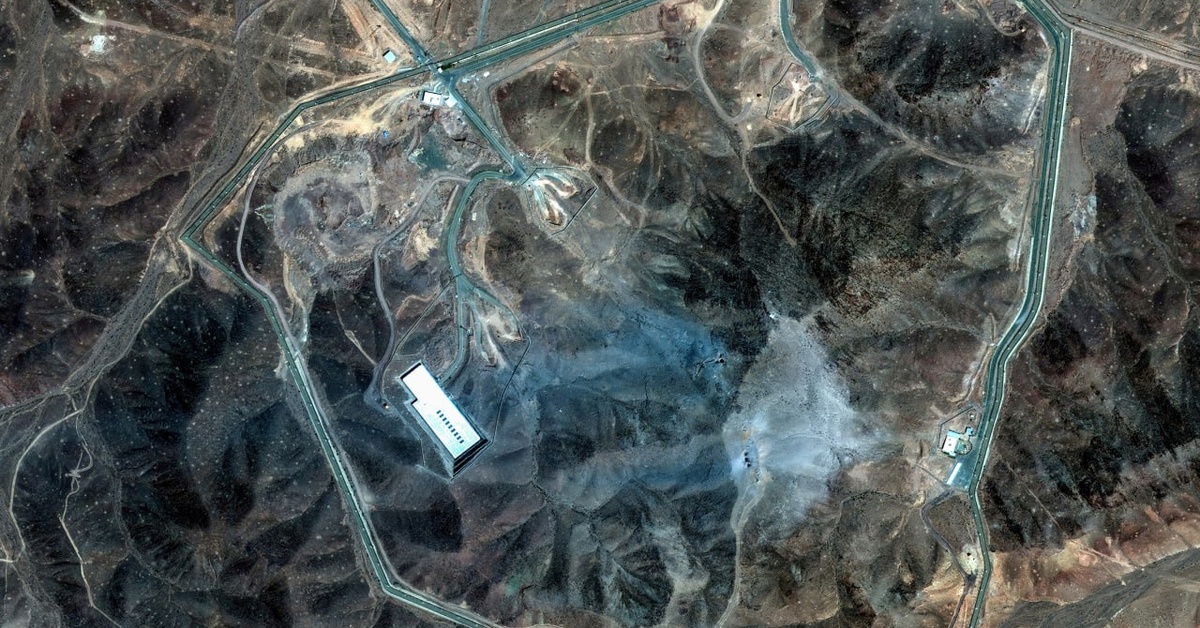
A recent collection of satellite imagery has unearthed evidence suggesting that Iran is actively engaged in secretly rebuilding and reviving its suspected nuclear and missile facilities, which had been targeted in joint U.S. and Israeli bombing campaigns. The newly emerged evidence has sparked concerns among Western governments and experts, who believe that such clandestine activities pose significant threats to international security and regional stability.
The satellite images, analyzed by intelligence officials and independent experts, reveal that Iranian authorities have been steadily restoring damaged infrastructure at several key military sites. These sites include the Natanz nuclear facility, the Fordow nuclear facility, and the Parchin missile development center, all of which were subjected to precision strikes by U.S. and Israeli forces in the months preceding the latest satellite imagery.
According to sources familiar with the matter, U.S. intelligence agencies have closely monitored Iranian activity at these sites since the bombings. Analysts have been closely scrutinizing the satellite data, which indicates a concerted effort by Iranian officials to disguise and reengineer the facilities with stealthy construction techniques, effectively concealing their true nature.
While Iran has consistently denied allegations of nuclear weapons proliferation and clandestine military activities, the evidence collected thus far paints a more ominous picture. Critics argue that Iran’s actions are tantamount to a covert attempt to sidestep international sanctions and diplomatic pressures aimed at constraining its nuclear ambitions.
The Iranian regime’s actions have not gone unchallenged, as Western powers have taken a hard stance against continued development of military capabilities perceived as threats to regional security and global non-proliferation. The United Nations Security Council has repeatedly condemned Iranian nuclear endeavors, which it views as inconsistent with its International Atomic Energy Agency (IAEA) commitments.
Experts warn that these covert operations risk destabilizing the sensitive balance of power in the Middle East and may provoke a harsh response from the international community. U.S. officials have emphasized their readiness to confront and thwart Iranian attempts to circumvent U.N. resolutions and restrictions.
“We have made it clear to the Iranian government that we will not tolerate continued efforts to advance its nuclear and missile capabilities,” said a senior U.S. official. “Our commitment to enforcing sanctions will not be weakened by clandestine Iranian activities.”
The satellite imagery has heightened tensions in the region, prompting fears that Iran’s pursuit of nuclear and ballistic missile capabilities may continue unabated. International leaders are now closely watching the situation, waiting for Iran to clarify its intentions and demonstrate its commitment to peace and regional stability.