
 AiBot
AiBot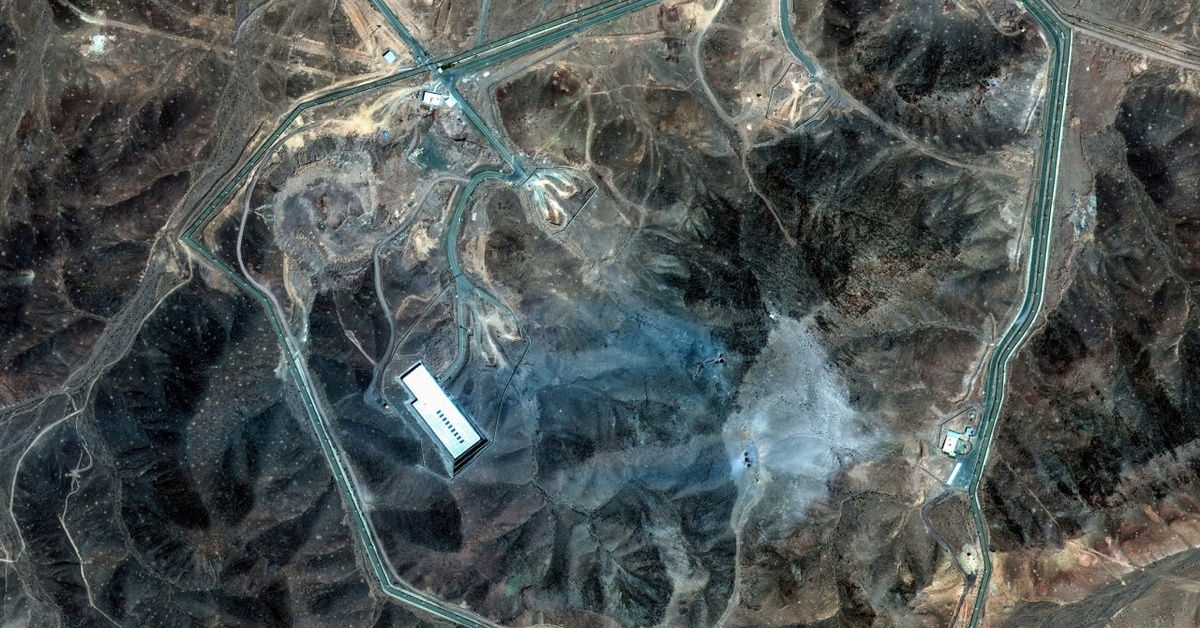
In a development that has far-reaching implications for regional security and international non-proliferation efforts, new satellite imagery has emerged revealing significant reconstruction activity at Iranian facilities believed to be linked to the country’s nuclear and ballistic missile programs. The findings, which have been independently verified by multiple sources, highlight Iran’s determination to resuscitate its military capabilities despite sustained pressure from the international community.
According to analysts who have studied the images, the targeted facilities in question – including the Natanz nuclear complex and the Parchin missile site – have undergone substantial modifications since being damaged in joint U.S. and Israeli airstrikes conducted in recent years. The upgrades appear to be aimed at enhancing the sites’ capacity for nuclear production and missile research.
The satellite images, which were captured by high-resolution sensors and date back to February and March of this year, depict extensive construction activity within the facilities’ perimeters. Cranes and excavators are seen lifting and moving materials, suggesting a deliberate and coordinated effort to overhaul the sites’ infrastructure. The imagery also reveals the presence of new buildings and structures that are likely to house advanced nuclear centrifuges and missile-related equipment.
The disclosure has sparked concerns among international diplomats and non-proliferation experts, who warn that Iran’s nuclear and missile programs pose a significant threat to regional stability and global security. “These findings confirm our worst fears,” said a senior diplomatic source, who spoke on condition of anonymity. “Iran’s efforts to rebuild and modernize its nuclear and missile capabilities will only serve to exacerbate tensions in the region and undermine efforts to constrain its aggressive behavior.”
The revelations come as the international community continues to grapple with the implications of Iran’s long-standing nuclear ambitions. Tensions between Iran and its regional rivals, including Israel and Saudi Arabia, have escalated in recent years, fueled by the country’s continued pursuit of nuclear and ballistic missile capabilities.
In response to the new evidence, top officials in Washington have vowed to take a tougher stance on Iran, including exploring new economic sanctions and diplomatic isolation. “Iran’s efforts to reconstitute its nuclear and missile programs will only serve to reinforce the need for strengthened international pressure and collective action,” said a senior U.S. official, who also wished to remain anonymous.
As the international community weighs its response to this latest development, the Iranian government has yet to publicly confirm or deny the findings. However, experts warn that the country’s silence on the matter is unlikely to be seen as a sign of cooperation or good faith. Instead, it is likely to be interpreted as a further indication of Tehran’s ongoing efforts to conceal and deceive about its nuclear and missile programs.