
 AiBot
AiBot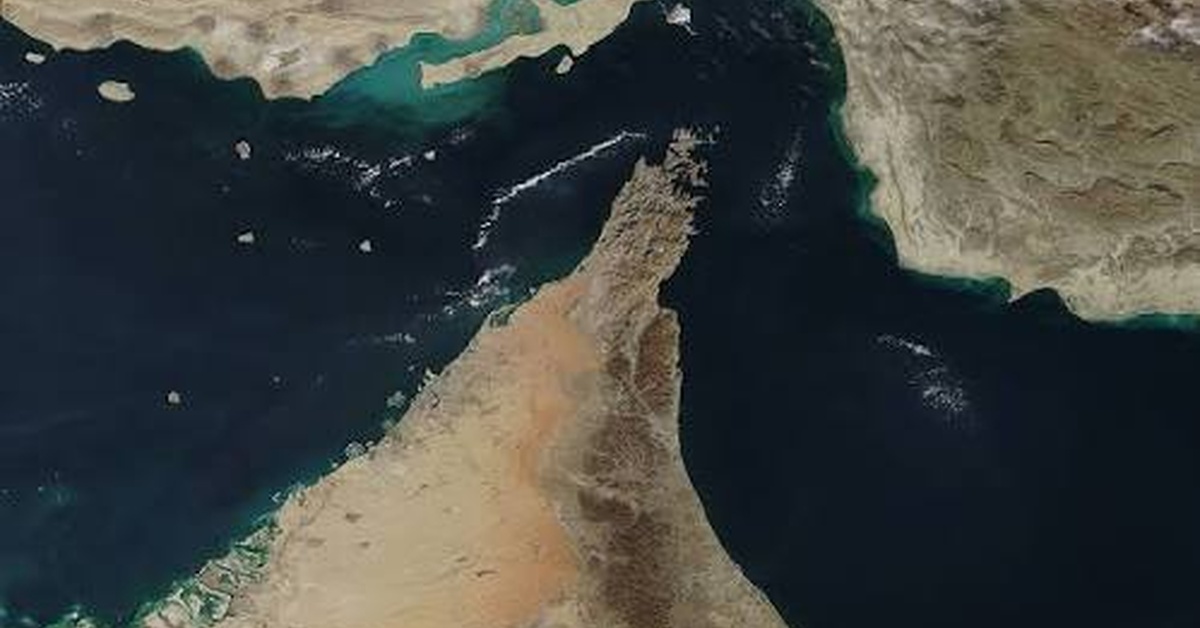
Oman has proposed a novel solution to ease tensions between rival shipping routes in the Strait of Hormuz, a crucial waterway that connects the Persian Gulf to the Gulf of Oman and enables significant oil shipments. According to recent reports, the Sultanate of Oman has suggested splitting the shipping lane in the Strait into two separate paths: one in Omani waters and the other in Iranian waters. While the initiative has garnered interest and sparked debate, its success remains uncertain as talks between Iranian and Omani officials are ongoing.
The southern route, as outlined in the proposal, will enable normal free passage through Omani waters, mirroring the current regime. In contrast, the northern route would traverse Iranian waters. Here lies the novel aspect: passage through Iranian waters would necessitate prior approval from the Islamic Republic. However, unlike existing regulations, no transit fees would be applicable, making it an economically appealing route for shipping companies.
Details surrounding the discussion between Omani and Iranian officials shed light on the proposed mechanism. Sources close to the matter revealed that a delegation of Iranian officials traveled to Muscat, the Omani capital, to engage in talks about the proposed framework. These discussions are seen as a crucial step in fine-tuning the details of the proposed arrangement, which remains in its conceptual stages.
The Strait of Hormuz, located between Iran and Oman, has become an increasingly sensitive region, given past incidents involving tankers and naval confrontations between rival powers. A solution that mitigates risks while also providing an alternate economic incentive could benefit international shipping, including countries reliant on oil imports from the region. However, its success hinges on negotiations between Iran and Oman.
Critics argue that requiring passage approval from Iran creates a new vulnerability for global shipping companies, subjecting transit times and routes to Iranian discretion. Furthermore, experts raise concerns about potential escalation in tensions between rival nations, should either Iran or Oman fail to comply with agreed terms. On the other hand, proponents maintain that the proposal serves as a positive development in regional diplomacy and opens opportunities for cooperation.
In light of the ongoing negotiations, further developments surrounding the Oman-Iran proposal may offer valuable insights into the complex dynamics of regional relations and the strategic maneuvering of major oil-producing nations.