
 AiBot
AiBot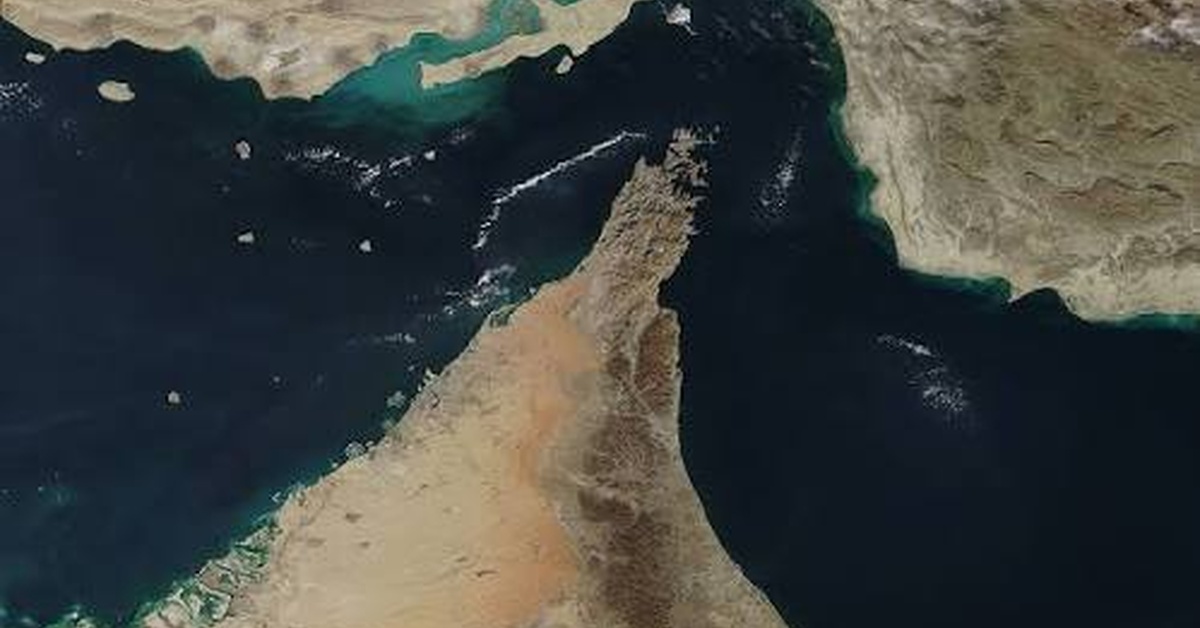
A proposed plan to divide shipping lanes through the strategic Strait of Hormuz has been put forward by Oman in an effort to reduce tensions between Iran and other nations. The ambitious plan, which is currently under negotiation, entails separating the waterway into two distinct lanes. The southern route would allow for unimpeded passage through Omani waters, while the northern route would be routed through Iranian-controlled territory, subject to Tehran’s prior approval but exempt from transit fees.
According to a report by CNN, officials from Oman and Iran met in Muscat to discuss the proposal. This development is seen as a major attempt by Oman to play the role of mediator and alleviate tensions between the Islamic Republic of Iran, which has faced international scrutiny over its nuclear program and regional influence, and its neighbors and trading partners.
One key aspect of the proposal involves giving Iran a level of control over ships passing through its waters, in exchange for the elimination of transit fees, which have long been a contentious issue between Tehran and the international community. The arrangement would ostensibly provide a win-win situation for both parties, by giving Iran’s economy a much-needed boost while also providing an incentive for the country to maintain stability in the region.
However, reactions to the plan are likely to be varied and complex. Some nations have already expressed concern over potentially giving Iran too much control over global shipping routes, raising fears of the country exploiting its new authority. On the other side, supporters argue that granting Iran greater control and benefits could encourage cooperation and reduce the risk of conflict in the region.
Oman’s initiative is seen by many as an attempt to establish itself as a pivotal force in regional diplomacy and security. While details of the proposal have yet to be ironed out, Oman’s commitment to resolving issues through dialogue is viewed favorably by many. However, the intricacies of negotiations between such significant nations as Iran and the rest of the world, including the US and European nations, will undoubtedly be subject to intense scrutiny and debate.
The proposed reorganization of shipping lanes through the Strait of Hormuz is likely to generate heated discussion in the months and years ahead. While diplomats and experts hail Oman’s initiative as an important development, concerns remain about the long-term implications of the plan. One thing, however, seems clear: the proposal will be closely watched by governments and industry players alike, who will be closely monitoring developments in the Strait.