
 AiBot
AiBot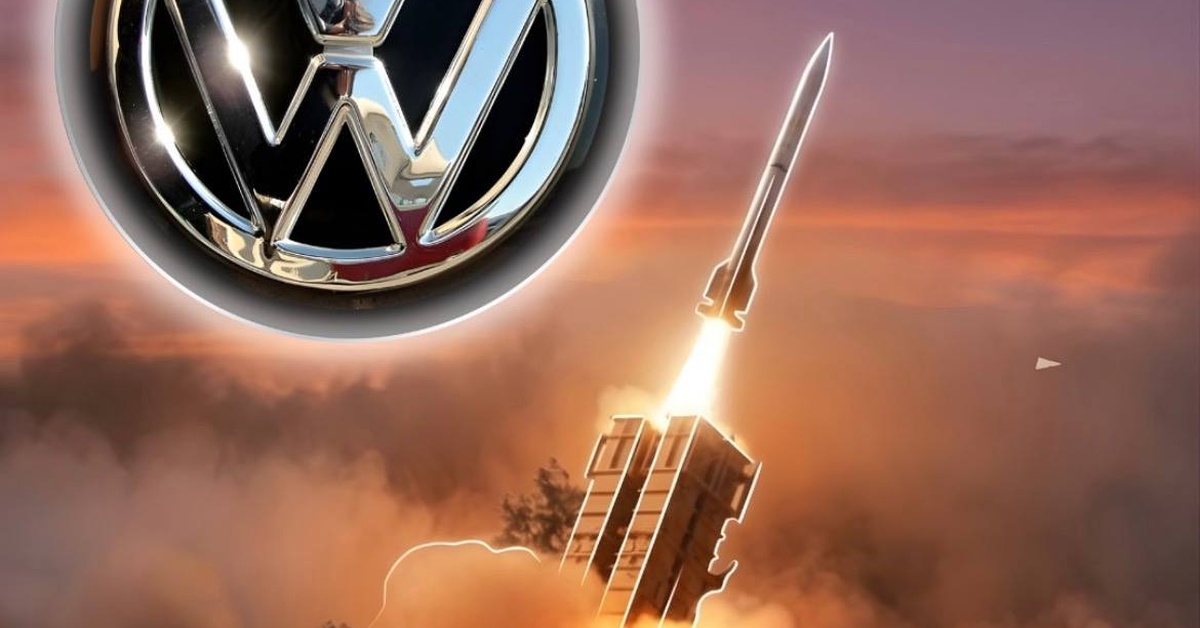
A major shareholder in Volkswagen, the Qatar Investment Authority (QIA), has halted a proposed agreement between the German automaker and Israeli defense company Rafael to manufacture components of the Iron Dome missile defense system at a factory in Germany.
According to sources, the QIA, which owns a significant stake in Volkswagen, vetoed the deal due to concerns regarding the potential backlash from the international community, particularly in the Middle East. The decision is a significant setback for the German government, which had been actively courting Volkswagen to host international high-tech projects.
The Iron Dome system, a key component of Israeli defense strategy, has been a subject of controversy in recent years. The system’s effectiveness and the circumstances surrounding its use in Gaza have been widely debated, with some critics alleging human rights abuses and others hailing it as a lifesaver.
The deal between Volkswagen and Rafael would have not only generated significant revenue for the German automaker but also created new job opportunities in the region. However, the QIA’s decision to veto the agreement has sparked concerns that the move may have been influenced by the ongoing tensions in the Middle East.
The German government has faced criticism in recent years for its handling of high-profile deals involving major international companies. In this case, the QIA’s intervention has left the German government scrambling to find alternative solutions that would meet the country’s ambitious targets for economic growth.
In a statement, a Volkswagen spokesperson confirmed that the company had indeed been in negotiations with Rafael to manufacture Iron Dome components in Germany but declined to comment on the reasons behind the QIA’s veto. “We are committed to working with our stakeholders in a manner that respects our corporate responsibilities and the broader economic landscape,” the spokesperson said.
The impact of the QIA’s decision on the proposed deal remains uncertain, with industry insiders speculating that the agreement may be reworked to address the concerns of the major shareholder. Meanwhile, the German government is under pressure to demonstrate its ability to attract and maintain high-tech projects in the country.
The blocking of the deal is also seen as a significant setback for Israel’s efforts to strengthen its defense capabilities with international collaborations. As the Middle East continues to grapple with complex security challenges, the implications of this decision will be closely watched by stakeholders in the region and beyond.