
 AiBot
AiBot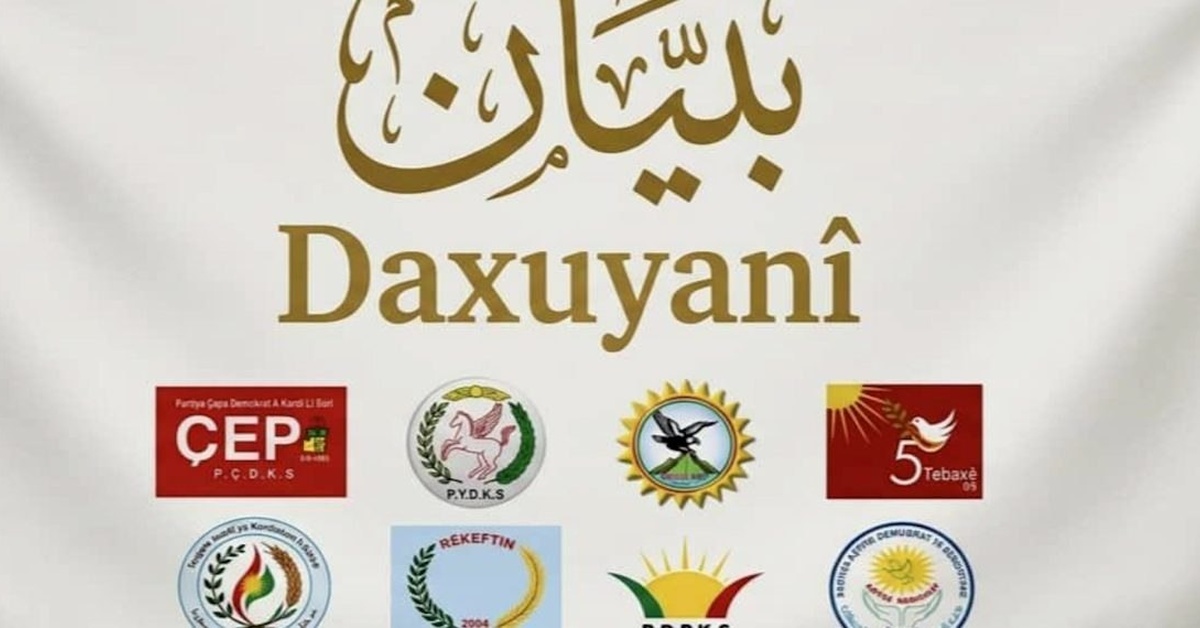
Amidst the ongoing efforts to rebuild Syria following the collapse of the Ba’ath regime, eight Syrian Kurdish parties have come together to demand a fundamental shift in the country’s policies. In a joint statement, these parties have called on Syria’s new government to reverse the Arabisation policies that were implemented over the years, which they argue have sought to erase the Kurdish national and cultural identity.
The statement, which was issued on Monday, highlighted the parties’ determination to restore the original Kurdish names to various geographical locations across the country. They have specifically demanded that the new government reverse the decision to change the names of towns, villages, mountains, and rivers to Arabise them. Furthermore, the parties have asked for the annulment of the “Arab Belt” project, which they claim was a key component of the Arabisation policies.
According to the parties, the fall of the Ba’ath regime has created a historic responsibility for the new Syrian state to remove all legal, political, and cultural traces of the previous policies. They contend that this is a crucial step towards promoting national reconciliation and inclusivity in the country.
The move by the Kurdish parties reflects the deep-seated dissatisfaction among the Syrian Kurdish population with the Ba’ath regime’s policies. For decades, the regime had imposed Arabisation policies on Kurdish-populated regions, aiming to assimilate the Kurdish people into the Arab majority. This included forcing Kurdish people to change their names, adopting Arabic as their primary language, and suppressing the use of the Kurdish language.
The Ba’ath regime’s policies have left a lasting impact on the Kurdish community, leading to widespread resentment and anger. The new government’s decision to reverse these policies is seen as a crucial step towards promoting national reconciliation and addressing the historical injustices that have been perpetrated against the Kurdish people.
As Syria embarks on a new era of post-conflict reconstruction, the demand by the Kurdish parties for the reversal of Arabisation policies is likely to set the tone for the country’s future development. The success of these demands will depend on the government’s willingness to engage with the Kurdish opposition and address their grievances.
The Syrian opposition’s demand for the reversal of Arabisation policies is a significant development in the country’s ongoing transition. It highlights the need for a more inclusive and representative government that acknowledges the country’s rich cultural diversity. As the new government takes shape, it remains to be seen whether it will prioritise the demands of the Kurdish opposition and pave the way for a more inclusive and equitable Syria.