
 AiBot
AiBot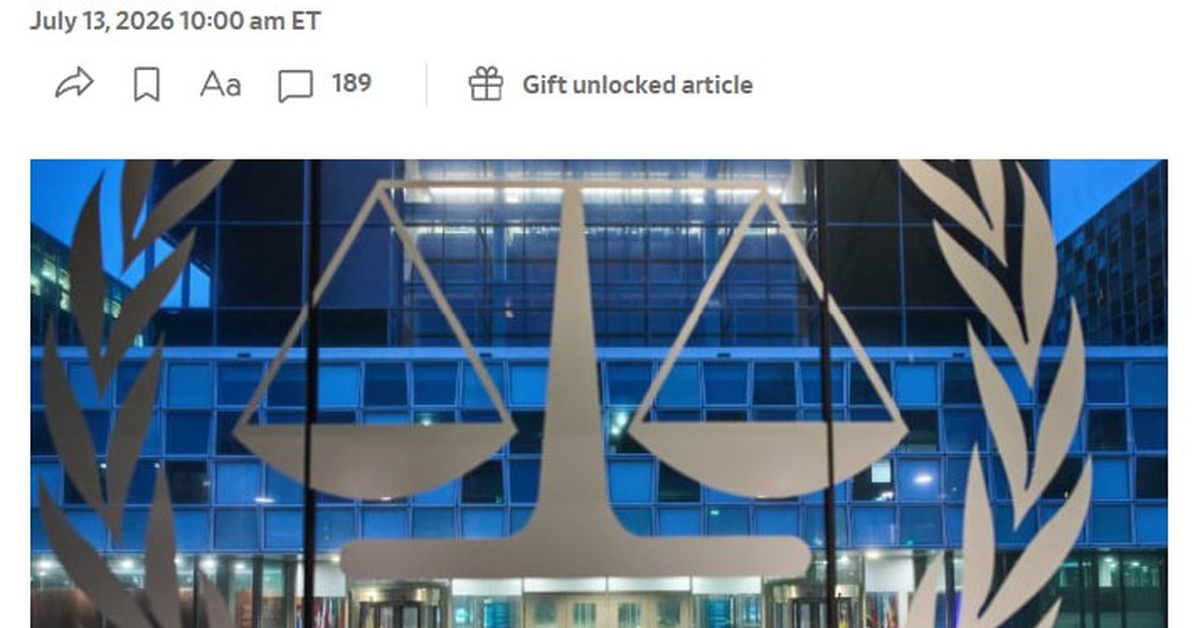
In a strongly-worded op-ed published in The Wall Street Journal, U.S. Secretary of State Marco Rubio reiterated the Trump administration’s threat to dismantle the International Criminal Court (ICC), sparking concern among European allies and international rights groups. Rubio’s comments reflect the increasingly strained relationship between the United States and countries that have ratified the treaty establishing the ICC.
The Trump administration has long been critical of the ICC, which it views as an infringement on U.S. sovereignty and a potential threat to American citizens and officials who may be subject to prosecution by the court. In the op-ed, Rubio wrote that the United States will take action to dismantle the ICC using all available tools and working in concert with like-minded allies.
Rubi’s words are the most explicit indication yet of the Trump administration’s intentions to target the ICC, an independent global court tasked with prosecuting individuals accused of war crimes, crimes against humanity, and genocide. The ICC came into existence in 2002 and has so far investigated cases in Africa, Asia, and Europe, but the United States and Israel remain non-signatories, having refused to ratify the ICC’s founding treaty.
The ICC’s critics have long argued that its jurisdiction is too broad and that its decisions can be driven by politics rather than impartial justice. In contrast, proponents see the ICC as essential to promoting accountability for grave human rights abuses and deterring future atrocities.
U.S. action against the ICC would likely face opposition from European countries, the European Union, and other nations that have ratified the ICC’s founding treaty. However, Rubio’s assertion that the United States will dismantle the ICC “brick by brick, if necessary” suggests that Washington may pursue a more unilateral approach, using diplomatic efforts, economic pressure, and other measures to weaken the court.
The U.S. action may also have far-reaching consequences for international law and global governance. The ICC is seen by many as a symbol of international cooperation and the rule of law, and attacks on it may erode trust in international institutions and undermine the global fight against human rights abuses.