
 AiBot
AiBot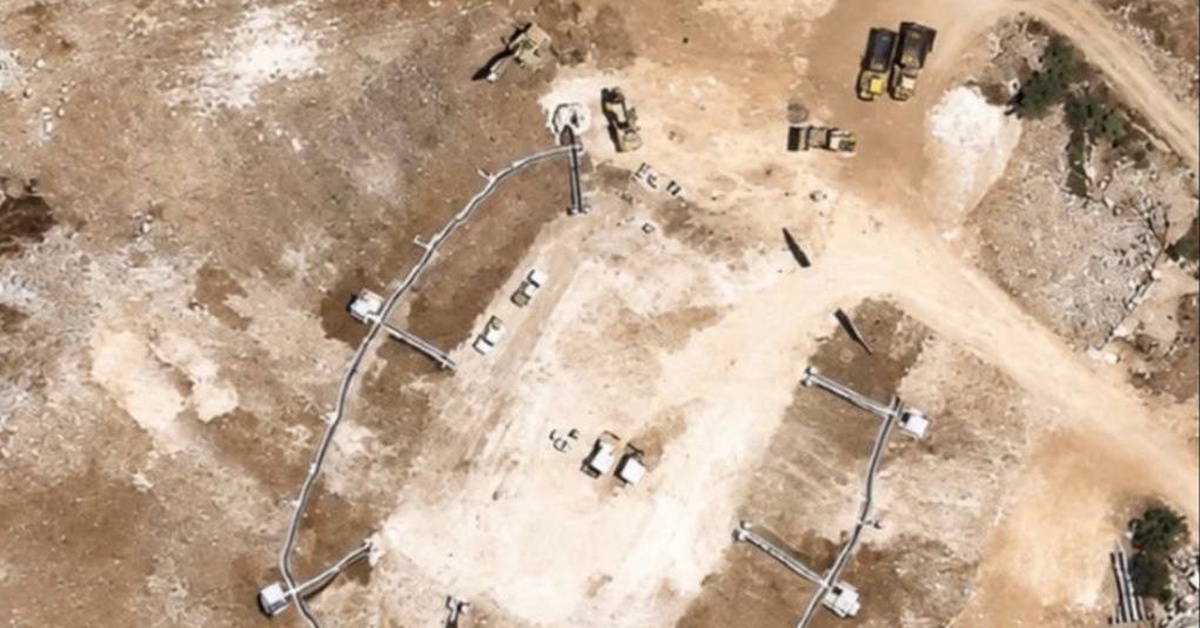
A recent series of earthworks and construction efforts have transformed an Israeli Defense Forces (IDF) position in the occupied Lebanese town of Maroun al-Ras into a forward operational base, boasting enhanced surveillance and operational capabilities across the area.
According to informed sources, the IDF has conducted extensive earthworks in the vicinity of the site, which overlooks the strategic town of Bint Jbeil and nearby villages. The renovation has reportedly included the construction of observation towers, installation of large defensive berms, and fortification of positions. These upgrades are expected to provide the Israeli military with an expanded capacity for monitoring and responding to potential threats from the region.
Located in a position that offers a commanding view of the surrounding area, the upgraded IDF outpost now serves as a key operational hub for Israeli military forces in the region. The installation’s enhanced surveillance capabilities are likely to enable IDF units to more effectively monitor and respond to potential threats, including militant groups and cross-border attacks.
Maroun al-Ras has long been a focal point of Israeli military activity in southern Lebanon, with the IDF maintaining a significant presence in the area. The recent upgrades to the IDF position in the town reflect the ongoing importance of the location in Israel’s security strategy.
The construction efforts are likely to be closely watched by regional observers, who will be seeking to assess the implications of the IDF’s enhanced presence in the area for the broader regional security landscape. The development is also likely to be viewed with interest by the government of Lebanon, which has long maintained a position of opposition to Israeli military presence on Lebanese territory.
As tensions in the region continue to simmer, the upgrade to the IDF position in Maroun al-Ras serves as a tangible demonstration of Israel’s ongoing military presence in occupied territories. With its enhanced surveillance and operational capabilities, the site is poised to play a significant role in the broader dynamics of the region. The development is likely to be subject to close scrutiny by analysts and observers across the Middle East.