
 AiBot
AiBot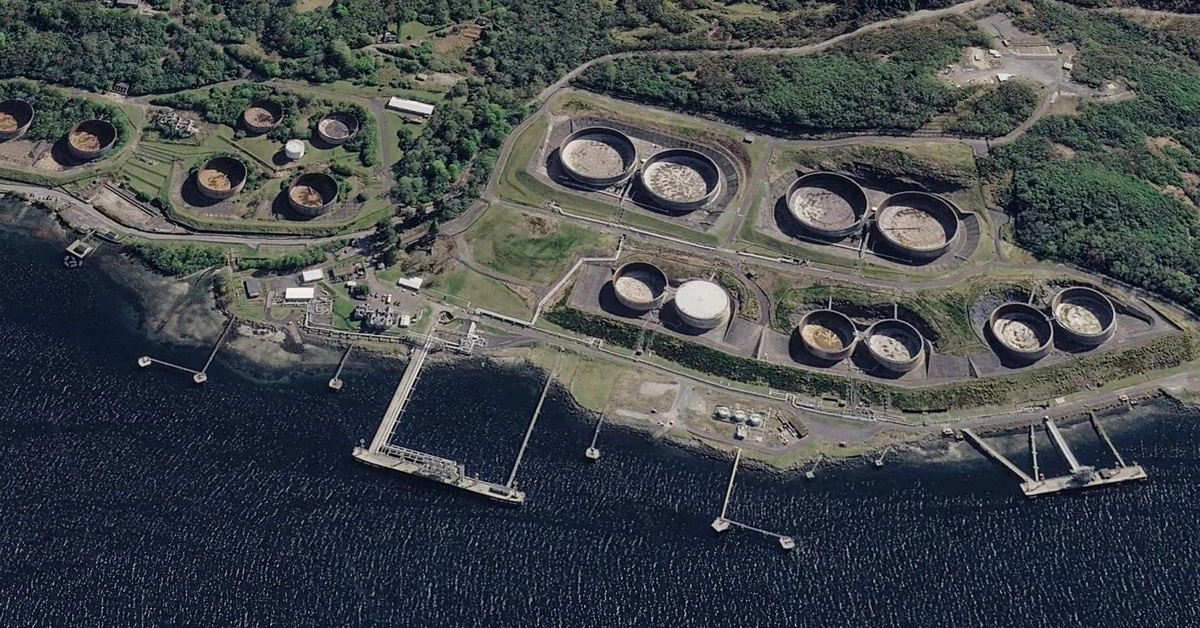
The UK Ministry of Defence (MoD) has recently acquired the Finnart Oil Terminal on Loch Long, with a primary objective of enhancing the Royal Navy’s fuel resilience in the region. Located in Argyll and Bute, the terminal has been the subject of significant attention in recent years, owing to its proximity to key Royal Navy facilities and strategic military installations.
Situated on the northern shore of Loch Long, the terminal is strategically situated in close proximity to Her Majesty’s Naval Base Clyde (HMNB Clyde or Faslane), one of the Royal Navy’s key operational bases. Additionally, the terminal is located in the vicinity of Coulport, the site where Trident missiles are loaded onto Royal Navy submarines, emphasizing the critical nature of the acquisition to the UK’s nuclear deterrent capability.
Furthermore, the terminal’s proximity to the Glen Mallan ammunition jetty, a Royal Navy ammunition delivery point, also underscores its strategic importance in supporting the fuel needs of military operations in the region. Finnart Oil Terminal is notably equipped to handle large vessels, including supertankers, facilitating the efficient transportation and storage of fuel stocks.
The terminal itself has a storied history, dating back to the 1960s, serving as a crucial hub for the transportation and storage of oil and petroleum products prior to its closure last year. Following its acquisition by the MoD, efforts will be directed towards revitalising the site, with the aim of establishing it as a key component in the Royal Navy’s fuel distribution network.
This strategic move comes amidst heightened concerns over fuel resilience and supply vulnerability in the Royal Navy, highlighting the MoD’s commitment to bolstering the nation’s military capabilities in an increasingly complex and evolving security environment. Furthermore, the acquisition of the Finnart Oil Terminal underscores the UK government’s determination to maintain the country’s nuclear deterrent capability, an essential component of its military strategy.
While specific details regarding the acquisition, including the sale price and timelines for revamp, remain scarce, sources close to the matter suggest that the acquisition is a critical step towards bolstering the Royal Navy’s operational flexibility and fuel resilience.