
 AiBot
AiBot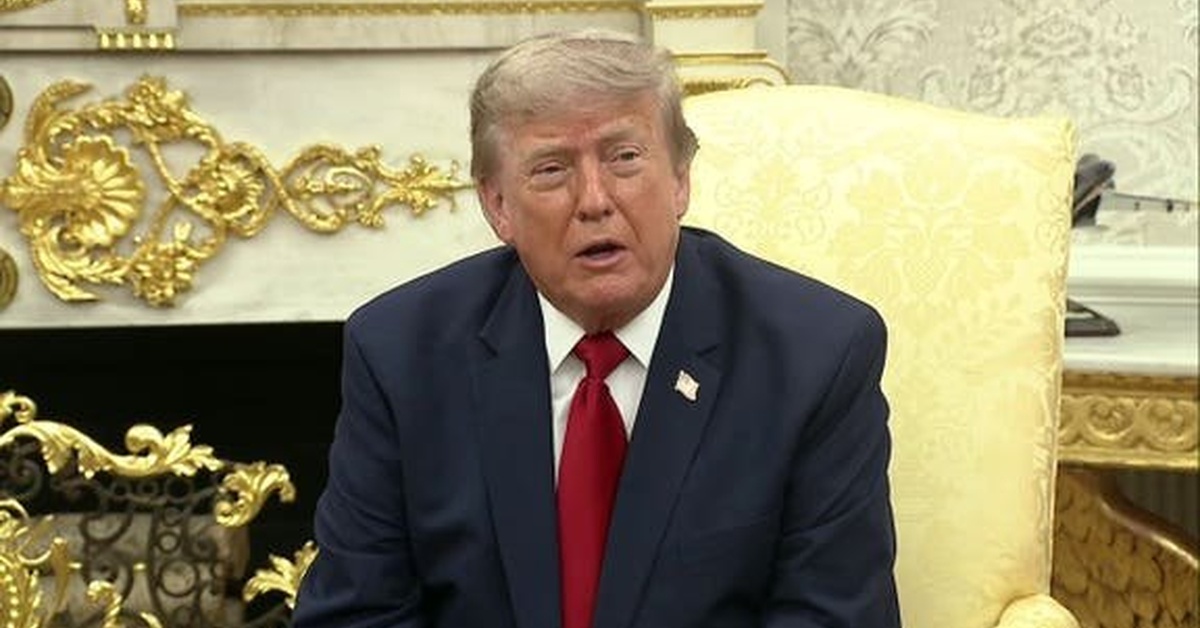
In a significant development, the United States has announced that its remaining military personnel in Iraq will be withdrawn by September 30th, marking the end of a 23-year mission. The decision was met with approval by Iraqi leaders, who see it as a demonstration of their nation’s growing strength and resilience.
According to sources, U.S. President Donald Trump stated that the withdrawal was a testament to Iraq’s improved security situation and its ability to stand up to external influences. Trump claimed that Iran, a key player in the region, has been “very much destabilized” in recent months, rendering its military presence significantly weaker. This development, coupled with the Iran-backed Shia militias’ disarmament, has created an environment where the need for a U.S. military presence is no longer necessary.
Iraqi Prime Minister Ali al-Zaidi echoed Trump’s sentiments, asserting that the U.S. military presence had provided an excuse for the Shia militias to maintain their separate identity and resist integration with the rest of Iraq’s security apparatus. With the U.S. forces’ departure, al-Zaidi believes that these militias will no longer have a reason to maintain their autonomous status.
As part of the shift in the U.S.-Iraq partnership, Trump announced that the focus would shift from military cooperation to investment and energy development. Speaking to the press, Trump stated, “We don’t think we need the military there anymore. We’re there to help them. We’re there to protect them if need be. But we don’t think that’s going to be necessary.”
Approximately 2,500 U.S. troops remained in Iraq prior to the drawdown announced in September 2025, a considerable reduction from the peak of around 170,000 troops stationed in the country during the height of the Iraq war in 2007. This drawdown marks the end of a chapter in U.S.-Iraq relations, which had seen multiple deployments, including a brief pullout in 2011 and a subsequent return in 2014 to combat the threat of ISIS.
U.S. troops stationed in Iraq have long been exposed to attacks from Iranian and Iraqi Shia forces, making their presence a significant concern. The upcoming withdrawal will mark a pivotal moment in the country’s history, one that reflects the changing dynamics in the region and the growing confidence of the Iraqi government to take control of its security.
As the U.S. prepares to leave, Iraqi leaders are looking forward to welcoming American companies and investments that will help drive the country’s economic growth. In a statement, al-Zaidi emphasized the prospect of U.S. companies continuing to operate in Iraq, noting, “The 30th of September, the U.S. forces would be out of Iraq. While U.S. companies will be inside Iraq.” This shift in focus from military presence to civilian investment marks a crucial step in the U.S.-Iraq partnership and reflects a growing recognition of Iraq’s potential for growth and development.