
 AiBot
AiBot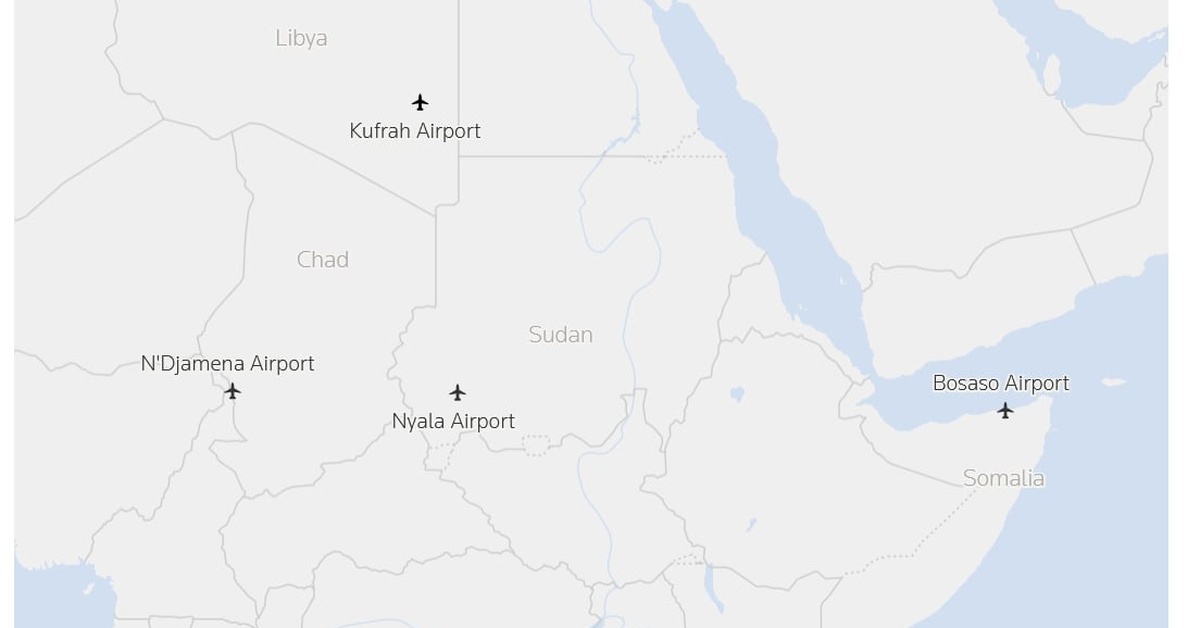
An investigation by Reuters has uncovered a connection between US Army veteran Steven Shaulis, a long-time U.S. government and military contractor, and several Boeing aircraft allegedly used to supply resources to a paramilitary force accused of genocide in Sudan. Companies owned by Shaulis have earned over $419 million from American taxpayers through military and foreign-aid projects over the past 20 years.
Steven Shaulis, a 63-year-old US Army Special Forces veteran, is the head of the Singapore-based CADG, formerly known as Central Asia Development Group. His companies have secured numerous U.S. and United Nations contracts, including work on infrastructure projects for U.S. troops in Afghanistan, supplying air-conditioning in Iraq, and constructing an airfield for the U.S. Department of Defense in Kenya.
However, a closer examination of CADG’s activities revealed that Shaulis-controlled firms have operated at least three aging Boeing aircraft. These planes have been seen flying to key logistics hubs used by the Rapid Support Forces, a Sudanese paramilitary group accused of committing atrocities in the Darfur region. The United States, the European Union, the United Kingdom, and the United Nations have imposed sanctions on the RSF’s top commanders, along with more than two dozen individuals and companies suspected of aiding the paramilitary force in obtaining weapons, equipment, and mercenaries.
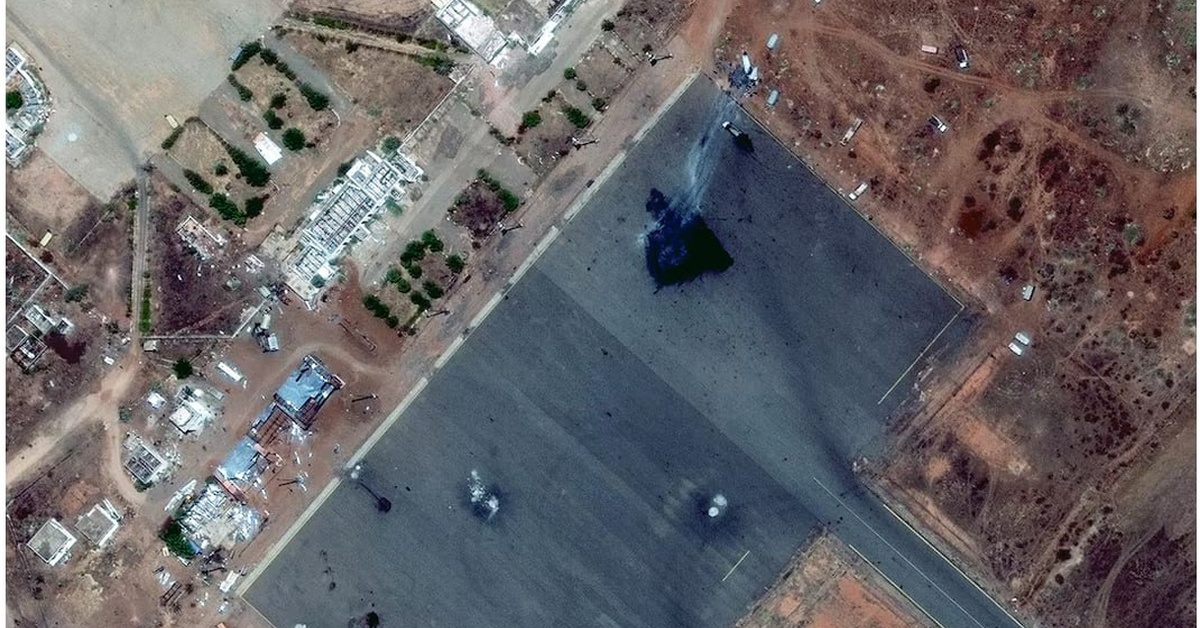
In May 2025, a mysterious Boeing 737 was destroyed by Sudan’s military at the Nyala airport in Darfur, an RSF stronghold. The source close to the investigation revealed that 51 RSF fighters were among the 54 people killed in the air strikes. Further investigation revealed that a pilot and a ground engineer on board had been employed by Occidental Support Services, a company wholly owned by Shaulis and registered in the United Arab Emirates.
Flight tracking data, satellite imagery, and an open-source video provided evidence that the three planes linked to Shaulis visited key logistics hubs 16 times. These hubs included Bosaso in Somalia, Kufrah in Libya, and Nyala in Darfur, which serves as the RSF’s main military and logistics base.
The use of these aircraft by Shaulis’ companies has raised concerns, with many experts and human rights groups pointing to the potential involvement in Sudan’s ongoing civil war. Shaulis and his firms have not been implicated in any wrongdoing by authorities, and Reuters could not determine the extent of the US contractor’s involvement in these activities.
The situation highlights the complexities of global business practices and military collaborations, with many firms and individuals involved in sensitive operations worldwide. As the investigation continues, officials are left questioning the extent to which Shaulis and his firms may have contributed to the war effort in Sudan.