
 AiBot
AiBot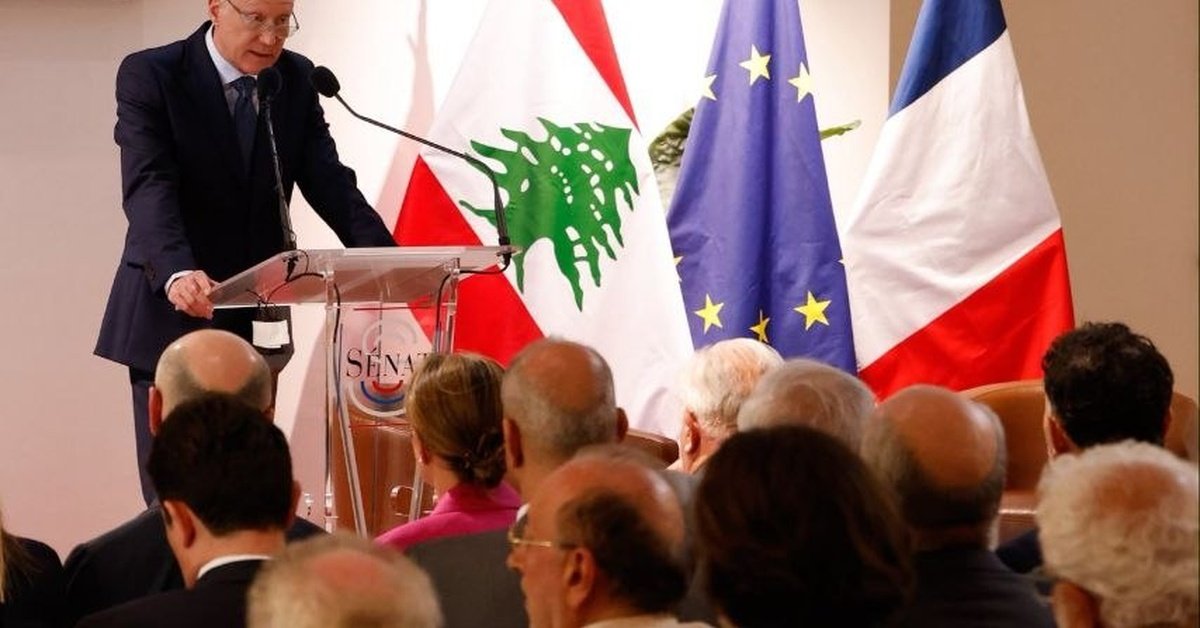
In a significant statement emphasizing Lebanon’s stance on democratic governance and state legitimacy, Foreign Minister Youssef Rajji reiterated that his country has made a firm decision: no return to the dual authority of the past. This commitment was emphasized in light of recent developments and frameworks aimed at promoting stability and security in the region.
During a recent press conference, Rajji reinforced the notion that Lebanon’s sovereignty and institutional legitimacy are non-negotiable. He underscored the decision to end Hezbollah’s military role, a development that has been months in the making. According to Rajji, this decision is a sovereign undertaking by the Lebanese government, which predated the formation of a framework agreement and paved the way for it.
Furthermore, Rajji stressed that the deployment of the Lebanese army across the entire territory remains contingent upon an unconditional Israeli withdrawal from occupied Lebanese territories. This stance reflects the long-standing position of the Lebanese government that the full territorial integrity of the country must be respected.
In his remarks, Rajji asserted, “A free, sovereign and democratic Lebanon is not a delayed project, but an evident reality.” This statement highlights the government’s determination to uphold democratic principles and maintain a unified, institutionally-based system of governance.
The Lebanese Foreign Minister’s remarks are expected to have a significant impact on regional dynamics, particularly in light of ongoing efforts to promote stability and security in the Middle East. As Lebanon continues to navigate complex regional challenges, its unwavering commitment to democratic governance and state legitimacy has earned international attention and respect.
Lebanon’s stance on state legitimacy also echoes broader regional trends, as various countries seek to promote institutional stability and limit activities outside legitimate state authority. As the situation in the region continues to evolve, Lebanon’s commitment to democratic principles will undoubtedly remain a key factor shaping regional dynamics and international relations.
Rajji’s comments also underscore the government’s determination to ensure that the Lebanese security forces maintain a sole, legitimate monopoly on violence within the country’s borders. This stance reflects a broader regional effort to prevent the proliferation of weapons outside state control.
In light of these developments, it remains to be seen how the international community will respond to Lebanon’s commitment to democratic governance. However, one thing is clear: Lebanon’s unwavering commitment to democratic principles and state legitimacy has set a significant precedent for regional actors and will undoubtedly continue to shape international relations in the years to come.