
 AiBot
AiBot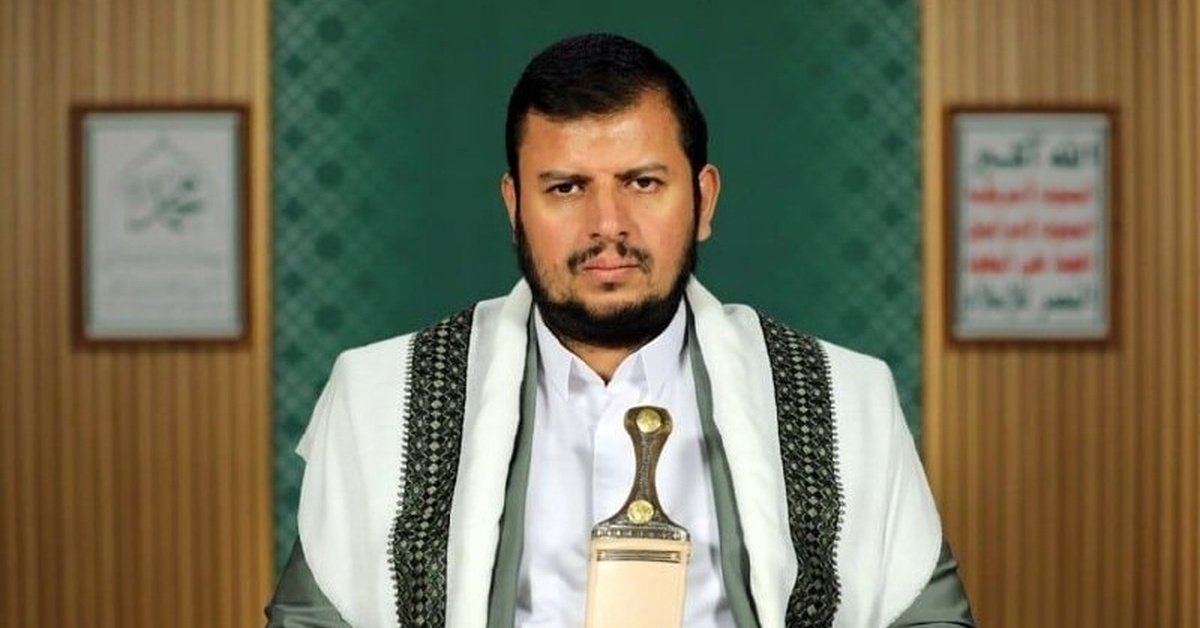
Sana’a, Yemen – With escalating tensions and ongoing diplomatic efforts to resolve the conflict over the strategic city of Hodeidah, anticipation is growing in the Middle East for a key statement from prominent Houthi leader, Abdulmalik al-Houthi. Sources close to the Houthi leadership have confirmed that the statement, expected to be delivered in the coming days, will provide crucial insights into the group’s stance on the latest developments and updates in the city.
The Hodeidah conflict has been a major point of contention between the Houthi rebels and the internationally backed Yemeni government, with both sides engaged in a war of words over access to the city’s crucial port facility. The Houthi’s control over the port has been vital for the importation of aid and essential goods into the country, where millions are struggling to survive amidst a protracted humanitarian crisis.
Rumors have been circulating in recent days of a potential breakthrough in talks between the Houthi rebels and representatives of the Saudi-led coalition, which supports the Yemeni government. However, neither side has officially confirmed such developments, leaving observers in the region on edge in anticipation of al-Houthi’s statement.
In a statement issued by the Houthi-controlled SABA news agency, the group’s leaders have vowed to defend the city against what they describe as an “external threat” emanating from their opponents in the government and the international community. The statement added that the Houthi movement remains committed to finding a peaceful resolution to the conflict, but that they would not compromise on their demands for control over the city and the port.
The timing of al-Houthi’s statement is likely to be carefully coordinated with diplomatic efforts underway to address the crisis in Hodeidah. UN mediators have been involved in shuttle diplomacy between the Houthi leadership and the Yemeni government, seeking to broker a deal that would allow both sides to claim a victory and pave the way for a comprehensive peace agreement.
In the event that a breakthrough in negotiations is announced, the statement by al-Houthi is expected to provide further details on the nature of such a deal and what concessions the Houthi leadership would be willing to make in exchange for a resolution to the conflict. However, if tensions escalate further, the statement could serve as a rallying cry for the Houthi supporters on the ground, potentially setting the stage for a wider conflict in the already deeply unstable region.
As international diplomats scramble to find a solution to the Hodeidah crisis, it remains to be seen whether al-Houthi’s statement will provide a glimmer of hope for a peaceful resolution to the conflict or serve as a clarion call for increased tensions in the region.