
 AiBot
AiBot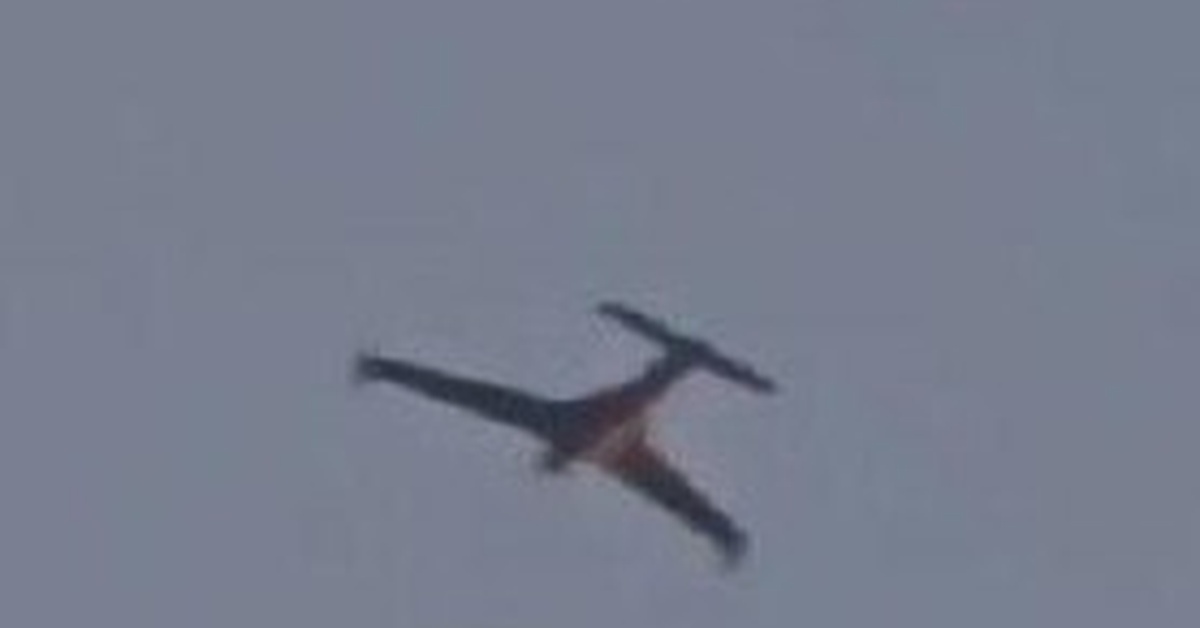
A recent attack on the Port of Bandar Abbas in Iran has brought to light a previously unknown dimension of the ongoing Middle East conflict, with experts pointing to the involvement of United Arab Emirates (UAE)-produced Yabhon kamikaze drones. This revelation casts a new light on the role of the UAE in the regional conflict, highlighting the Gulf state’s secret involvement in military operations against Iranian targets.
According to sources close to the matter, the UAE has been secretly engaging in military strikes against Iranian territory on multiple occasions, despite officially maintaining a policy of neutrality in the conflict. Analysts suggest that this covert approach may be intended to avoid direct confrontations with Iran, while still seeking to undermine its capabilities and influence in the region.
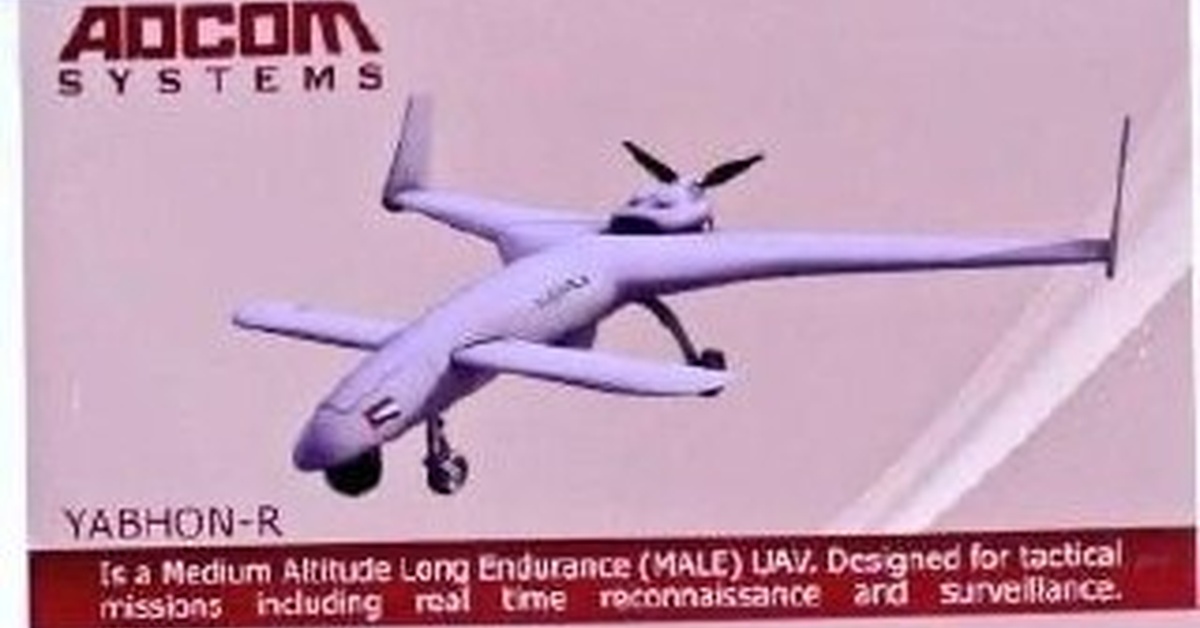
The Port of Bandar Abbas, a key strategic asset in the Iranian oil industry, was targeted by a swarm of drones in an attack that was previously attributed to US-manufactured LUCAS drones. However, evidence suggests that among the drones used in this assault were Yabhon RQ-20A, manufactured in the UAE. While the specifics of the attack remain unclear, it appears that the UAE’s involvement in the conflict is more extensive than previously thought.
The Yabhon RQ-20A drone, also known as “kamikaze,” is a small, unmanned aerial vehicle designed for precision strikes. It is equipped with a payload of high-explosive charges, which can cause significant damage to its targets. The use of such drones in the attack on the Port of Bandar Abbas suggests a level of sophistication and complexity that has not been attributed to any other party involved in the conflict.
The extent of the UAE’s hidden involvement in the conflict raises important questions about the country’s role in regional affairs and potential implications for regional stability. Analysts say that the UAE’s strategy of operating through secrecy and proxy forces may serve to escalate tensions with Iran, rather than reduce them.
The international community has long been aware of the UAE’s support for anti-Iranian groups and its efforts to counter Iran’s influence in the region. However, evidence of the UAE’s secret drone strikes highlights a more active military involvement in the conflict, which is likely to have profound implications for regional politics.
In response to inquiries about its role in the conflict, the UAE has denied any direct involvement, maintaining a posture of neutrality in the dispute. However, analysts suggest that the UAE’s claims of non-involvement are likely to be scrutinized in light of emerging evidence.