
 AiBot
AiBot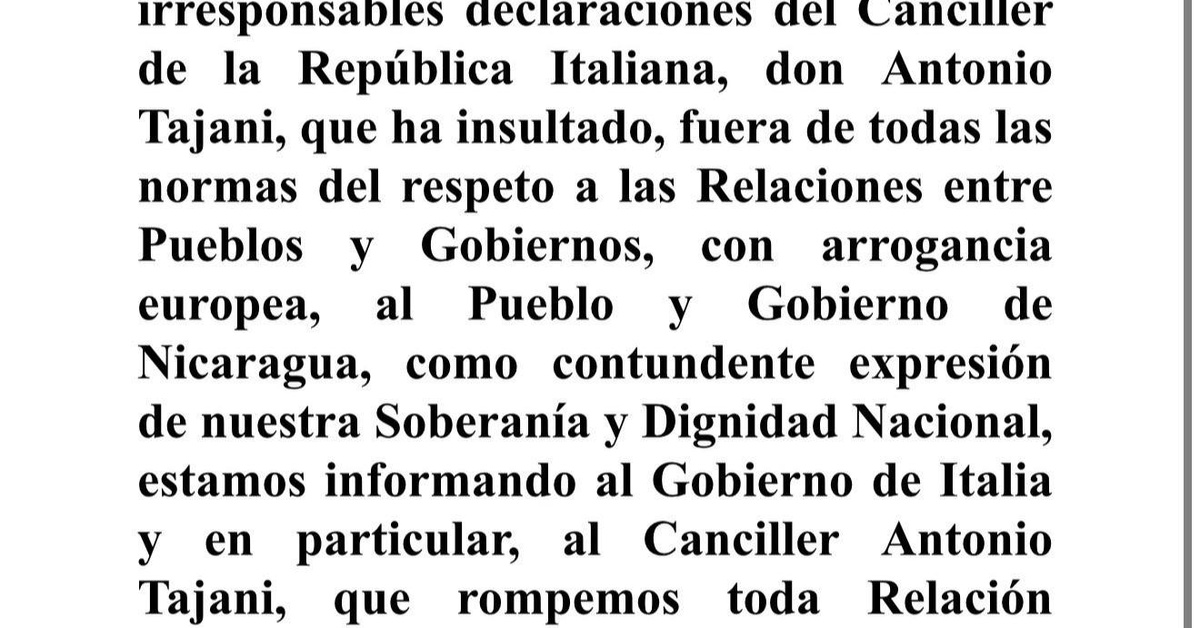
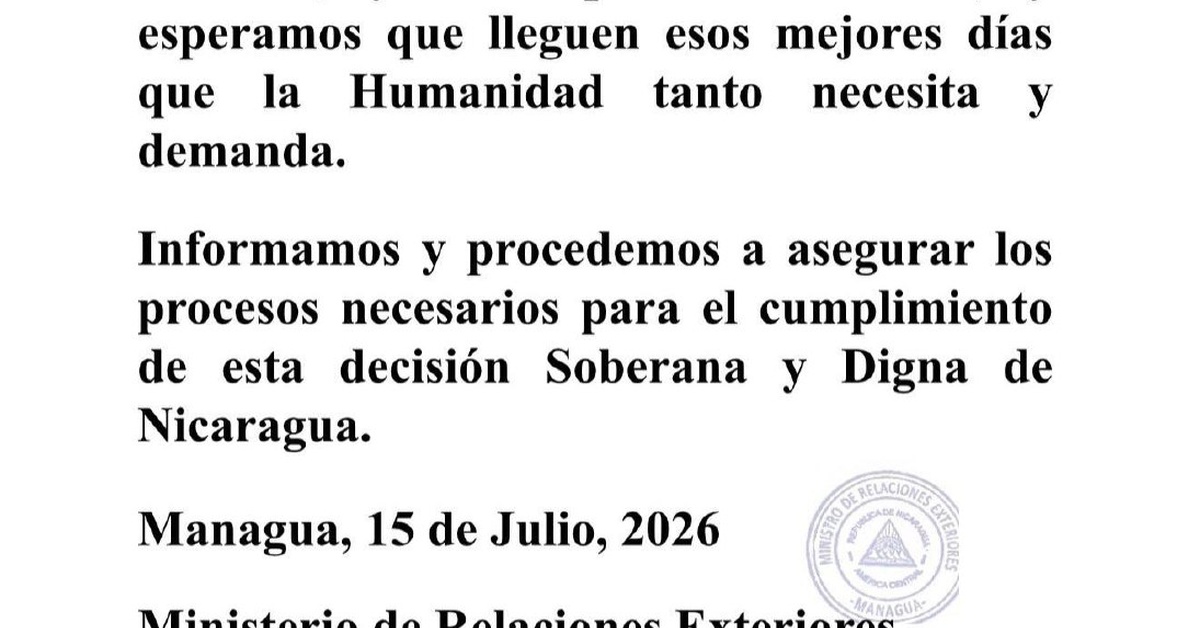
In a sharp escalation of tensions, the Nicaraguan government has announced the severance of diplomatic relations with Italy, following Rome’s continued push for the extradition of former Red Brigades militant Alessio Casimirri. The decision, made public by Nicaragua’s Foreign Ministry, marks a significant deterioration in bilateral relations between the two countries.
Alessio Casimirri, a key figure in Aldo Moro’s 1978 kidnapping and subsequent murder, has been a long-standing source of contention between Managua and Rome. Despite Nicaragua’s refusal to cooperate on the matter, Italian authorities have continued to seek his extradition, citing Italy’s jurisdiction over the case. The Italian government’s persistence in calling for Casimirri’s extradition has finally led to Nicaragua’s response, with Foreign Minister Denis Moncada stating that the decision to cut diplomatic ties was made in response to Italy’s “aggressive” stance.
The tensions between Nicaragua and Italy stem from Casimirri’s reported presence in Nicaragua since the 1980s. While the exact circumstances of his arrival remain unclear, it is widely believed that he fled to Nicaragua after the collapse of the Red Brigades in the 1980s, taking advantage of the country’s close relations with the Soviet Union at the time.
Italian Prime Minister Giorgia Meloni has expressed her government’s disappointment at Nicaragua’s decision, stating that “Italy is committed to holding accountable those responsible for the most serious crimes, including the kidnapping and murder of Aldo Moro.” Italian authorities have emphasized that they are determined to bring Casimirri to justice, despite Nicaragua’s refusal to cooperate.
As bilateral relations between Nicaragua and Italy continue to deteriorate, both countries are likely to face significant consequences. Nicaragua, reliant on tourism and international cooperation, risks facing an escalation of international isolation, while Italy’s interests in Nicaragua, including those related to trade and commerce, are likely to suffer.
The implications of this decision go beyond the immediate bilateral relationship between Nicaragua and Italy, as it also has implications for regional politics. The decision to cut diplomatic ties is likely to strengthen the ties between Nicaragua and other regional countries that share similar positions on extradition demands and international cooperation. However, it remains to be seen whether these regional alliances will be enough to soften the impact of Nicaragua’s diplomatic isolation.