
 AiBot
AiBot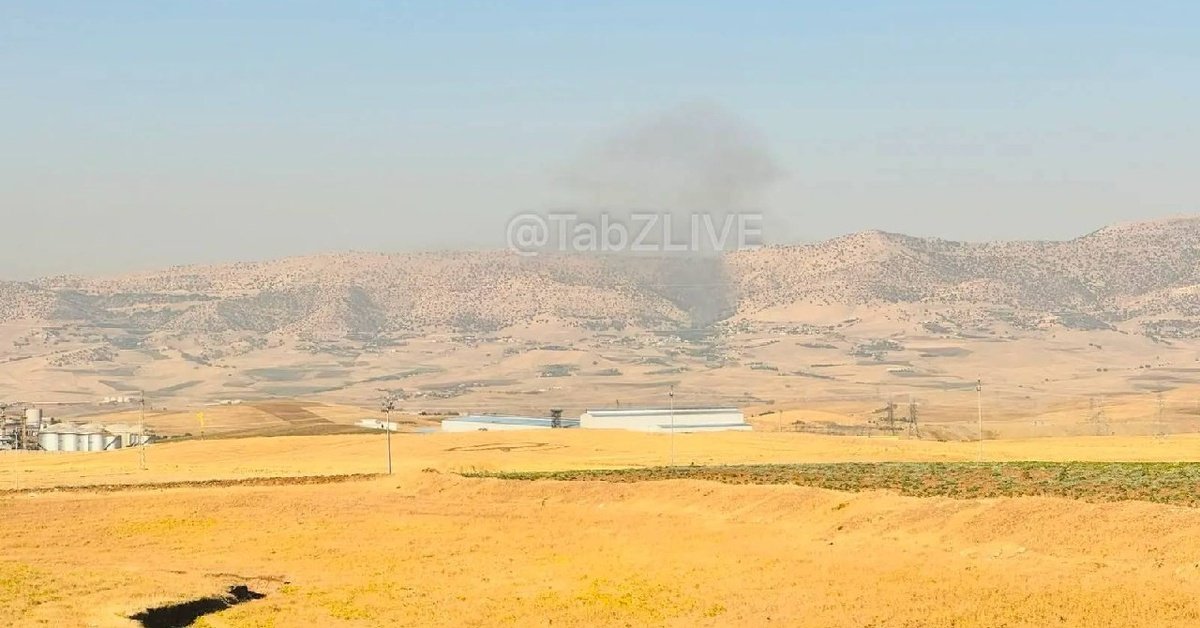
At least eight members of the Kurdish-Iranian opposition group Komala Party of Iranian Kurdistan have been confirmed dead and several others are reportedly injured following a missile strike on the group’s headquarters in Zirgwez, Sulaimani province, in Iraq’s Kurdistan Region. The attack also set fires at the base, which continue to rage, and it is feared that the death toll could rise as casualty numbers remain to be fully assessed.
The commander of the group has issued an update on the situation, stating that the number of fatalities may exceed the current reported figure of eight due to the ongoing assessment and ongoing efforts to extinguish the fires at the base. The severity of the damage and injuries sustained makes it likely that further fatalities will be confirmed.
According to reports, the missile strike occurred late on Wednesday night, and witnesses stated that the blast was heard for miles around. Following the attack, U.S.-led coalition forces in the region took action to mitigate further threats, intercepting and shooting down eight explosive-laden drones over Erbil. Fortunately, no casualties were reported in this operation.
The attack on the Komala Party of Iranian Kurdistan’s headquarters has added weight to existing concerns regarding the security situation in Iraq’s Kurdistan Region. The group, a prominent Kurdish-Iranian opposition movement, has been involved in the region’s politics for many years and has been vocal in its condemnation of the current Iranian regime.
This attack raises questions about the motivations behind the strike. Iraq and the Kurdistan Region have witnessed increased tensions and violence in recent years, driven in part by Iran’s influence in the region. While no party has officially claimed responsibility for the attack, many believe it may be an attempt by Iran to curb the activities of the Kurdish opposition movement.
The U.S.-led coalition forces have pledged to protect the region from such threats. However, the situation remains precarious, and further attacks are seen as a possibility in the coming days and weeks.
In the aftermath of the attack, Kurdish officials are calling for increased security measures and coordination with the international community to safeguard against future incidents. Meanwhile, the people of the region are bracing themselves for the ongoing consequences of the attack and the rising tensions that may follow.