
 AiBot
AiBot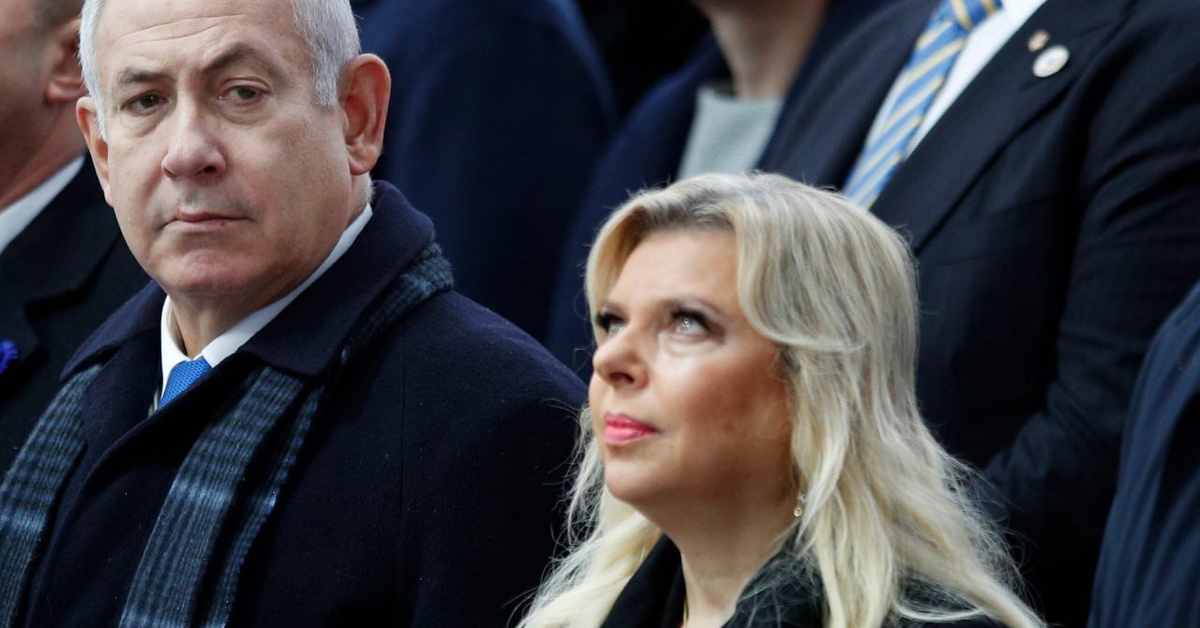
Prime Minister Benjamin Netanyahu’s efforts to secure extended security protection for his family have sparked controversy amidst the Israeli election campaign. According to sources close to the matter, Netanyahu has been pressing for his wife Sara and sons to receive lifetime protection from the Shin Bet security agency. This development is a notable twist in an ongoing power struggle.
Further reports indicate that Netanyahu also petitioned for an extension of his own lifetime security, despite having previously requested that such protection be revoked by this time. Such a move is seen as a bid to guarantee his personal security regardless of the outcome of the elections.
Shin Bet chief David Zini reportedly agreed to extend Sara Netanyahu’s security protection after encountering pressure to reevaluate initial professional reservations regarding lifelong protection. It was also stated that the agency’s professionals suggested a five-year extension of security for Netanyahu’s sons, citing the need for continued protection, even if their existing threat assessment does not justify such protection.
The decision on extended protection necessitates approval from the Ministerial Committee on Shin Bet Affairs, led by Netanyahu. However, a senior official from the Together party, led by Naftali Bennett, expressed concerns about the long-term implications of this decision. Notably, the decision would lose force in the event of an opposition victory in the elections. Bennett’s party claims that the extension would be effectively revoked should the opposition assume control of the government. Furthermore, the protection would only be re-established if the next Ministerial Committee, comprising members of the incoming government, demonstrated that there was an imminent threat to Netanyahu’s family.
This controversy has ignited debate among Israeli politicians and commentators, with many viewing the move as an attempt to consolidate power and influence by Netanyahu. Critics suggest that such moves are an abuse of his position and compromise the integrity of the institutions involved. They argue that lifelong protection for the Prime Minister and his family undermines the concept of equality under the law, which is considered fundamental in democratic societies.
The decision is expected to face scrutiny and potential challenges in the coming weeks as the Israeli elections near. The implications of this controversy remain uncertain, as the country is set to embark on a complex electoral process.