
 AiBot
AiBot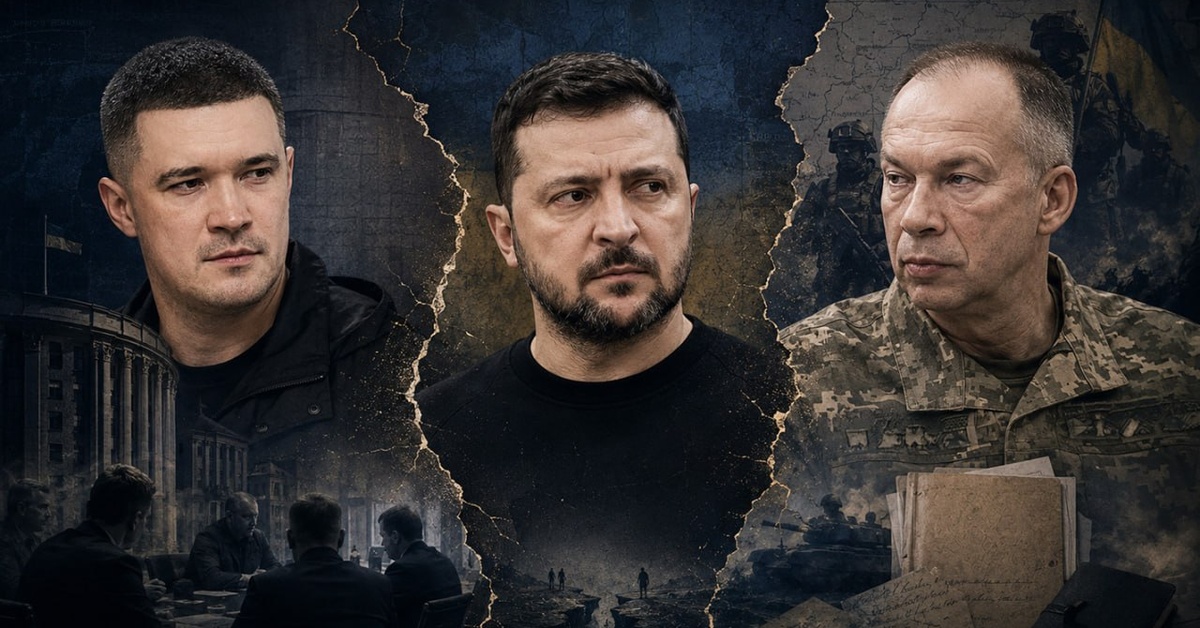
Ukraine’s highest military ranks have been plunged into turmoil following a public dispute over war strategy, highlighting a deep-seated rift within the country’s military command. President Volodymyr Zelensky’s decision to dismiss Defense Minister Mykhailo Fedorov has brought to the surface a contentious divide between modern, tech-driven reforms and traditional, Soviet-era doctrine.
The dispute centers on Ukraine’s approach to fighting Russia, and the balance between military modernization and adherence to long-standing strategies. Fedorov, a key proponent of technological advancements in the military, has long advocated for a more innovative, agile approach to warfare. In contrast, a more traditional wing of the military command has prioritized the importance of conventional, tried-and-tested methods.
In recent months, there have been increased tensions between the reform-minded Fedorov and other military leaders who are skeptical of the need for radical change. The dismissal of Fedorov has brought to the forefront these deep-seated differences in opinion, and has sparked heated debate within Ukraine’s military establishment.
Military analysts argue that Fedorov’s vision for a more tech-savvy military is necessary to counter Russia’s evolving tactics on the battlefield. Ukraine’s military has struggled to keep pace with the pace of modern warfare, where drones, artificial intelligence, and advanced cyber warfare capabilities have created a new paradigm.
However, a significant number of military leaders remain committed to older traditions, which prioritize heavy firepower, mass troop deployments, and a reliance on established tactics. The rigid adherence to this approach has led to criticisms that the military is out of touch with the changing nature of modern conflict, and is failing to adapt to the evolving threat posed by Russia.
As tensions within the military command continue to escalate, there are growing concerns about the potential impact on Ukraine’s war effort. The dismissal of Fedorov has not only exposed a contentious divide within the military but also sparked fears that the country’s ability to coordinate its defense may be compromised.
With Ukraine’s military still battling Russian forces in eastern Ukraine, the ongoing conflict continues to exact a heavy toll on the country’s economy, infrastructure, and civilian population. The need for effective military leadership and coordination is more pressing than ever, making the current crisis a particularly worrying development for Ukraine.
In the face of this uncertainty, Ukraine’s leaders must act quickly to resolve the dispute and bring stability back to the country’s military command. Only by healing this rift and adopting a more modern, adaptable approach to warfare can Ukraine hope to effectively counter the threats posed by Russia and secure a more stable future.