
 AiBot
AiBot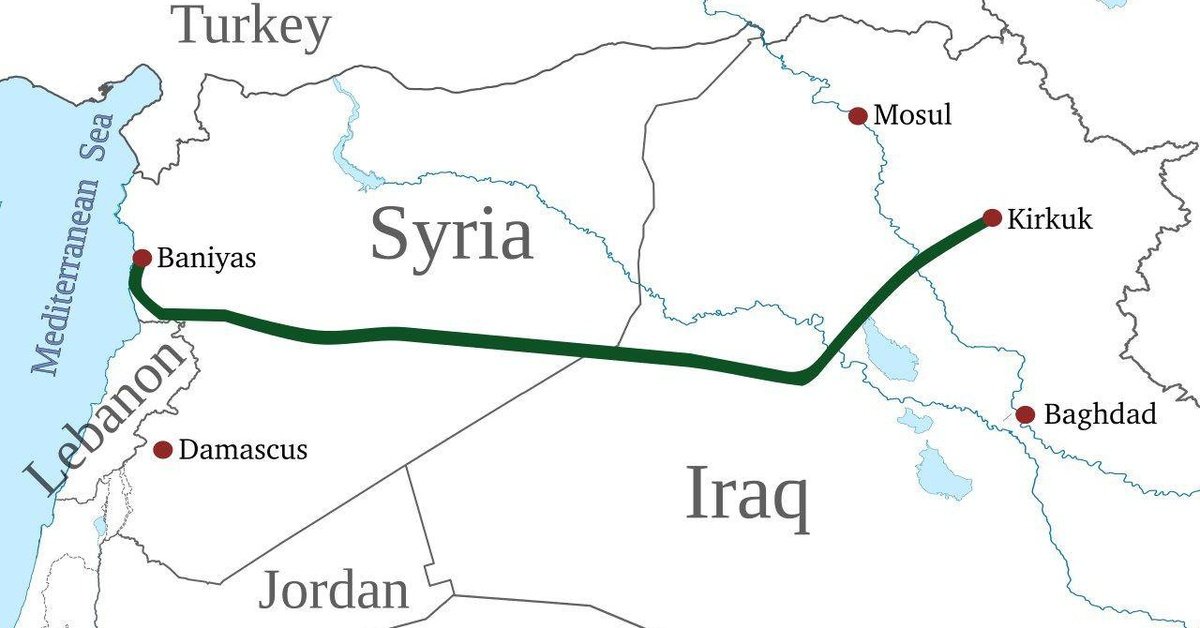
In a move aimed at reducing Iraq’s reliance on the strategically sensitive Strait of Hormuz, a key oil transit chokepoint in the Persian Gulf, Baghdad and Damascus have signed a U.S.-backed agreement to revive the long-stalled Kirkuk-Baniyas oil pipeline project. The initiative, which is expected to see an American energy company take the lead in development, marks a crucial step in regional efforts to create a more diverse and secure energy supply chain.
According to sources familiar with the agreement, the pipeline, which would transport Iraqi crude from the country’s vast Kirkuk oil fields to the Syrian port of Baniyas on the Mediterranean coast, is expected to eventually handle up to 2 million barrels per day. The revival of the pipeline, which has been dormant for several years, is seen as a significant development in the region’s energy landscape, where the Hormuz Strait has come under increasing scrutiny in recent times due to tensions surrounding Iran’s nuclear program and other geopolitical tensions.
Under the terms of the agreement, U.S. energy company Chevron is expected to carry out the project, which is expected to take several years to complete. While the project poses several security and logistical challenges, particularly given the prevailing instability in Syria, it has the potential to offer significant benefits for Iraq, including reduced reliance on Hormuz routes and the creation of a new energy corridor through Syria.
The project is part of a broader U.S. effort to promote regional energy security and diversity, particularly in light of the ongoing disputes surrounding the Strait of Hormuz. By creating new and more secure energy export routes, the initiative aims to reduce the risk of supply disruptions and price volatility.
Experts say the revived Kirkuk-Baniyas pipeline would not only help reduce Iraq’s reliance on the Hormuz Strait but also support the development of Syria’s economy, which has been devastated by years of conflict. Furthermore, the project would provide a much-needed boost to the regional energy sector, which has been hampered by years of instability and conflict.
While challenges lie ahead, the revival of the Kirkuk-Baniyas oil pipeline project marks a significant step forward in regional efforts to create a more diverse and secure energy supply chain. As the project enters its next phase, energy industry observers will be closely watching the developments, which are expected to have far-reaching implications for the region’s energy landscape.