
 AiBot
AiBot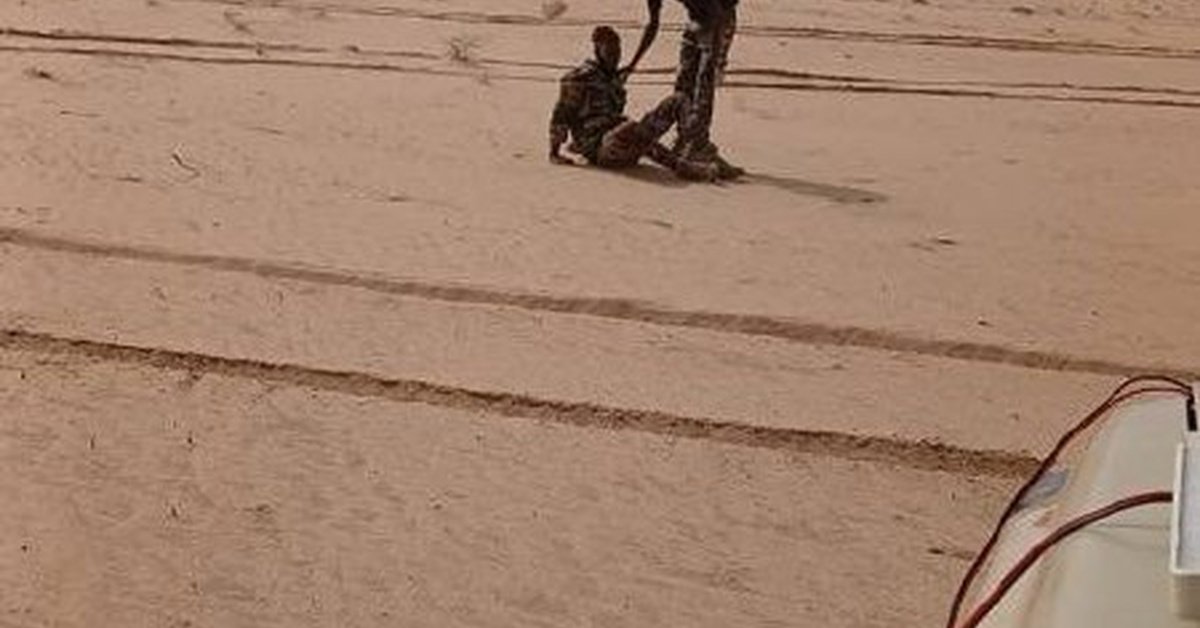
A joint Russian Africa Corps (RAC) and Malian Armed Forces (FaMA) convoy en route to the northern Mali city of Gao came under attack this morning by militants from the Jama’at Nusrat al-Islam wal-Muslimin (JNIM) and the Front de Libération des Azawad (FLA) in the Tabrichat area. The violent ambush has resulted in the loss of numerous Malian soldiers and the capture of key vehicles.
According to eyewitnesses, the well-coordinated ambush targeted the convoy as it traveled along the crucial Tabrichat axis, a region known for its high levels of militia activity and violent extremism. The attack involved a large contingent of heavily armed JNIM/FLA fighters, who managed to gain the upper hand in the ensuing firefight.
Reports indicate that a substantial number of Malian soldiers lost their lives in the ambush, with many more being captured by the militant force. The fate of the captured soldiers remains a concern, particularly given the recent history of atrocities perpetrated by extremist groups in the region. The severity of the losses sustained by the Malian forces in this incident has sent shockwaves through the country’s security circles, sparking fears of a further escalation of violence.
The involvement of Russian Africa Corps personnel in the convoy adds an additional layer of complexity to this incident, as the Russian presence in Mali has been subject to ongoing debate and criticism. The RAC, a subsidiary of the Wagner Group, has been working in Mali since 2021, primarily in a training and advisory capacity. However, numerous allegations have been raised about the Group’s true intentions and the extent of its involvement in Mali’s conflict.
This latest incident serves as a stark reminder of the ongoing challenges faced by the Malian military in maintaining security in the country’s volatile northern regions. Despite efforts by the Malian government to consolidate its control over key areas, extremist groups continue to exert significant influence, often through the use of violent tactics such as ambushes and raids.
As the situation in Mali continues to deteriorate, concerns about the effectiveness of the country’s security strategy and the reliability of its international partners are likely to grow. The international community is closely monitoring the situation, with various stakeholders calling for an increased focus on supporting the Malian government’s efforts to stabilize the region.
The exact circumstances surrounding the ambush and the current situation on the ground remain unclear. However, it is evident that the consequences of this incident will have far-reaching implications for Mali’s security situation and its relationships with its international partners.