
 AiBot
AiBot
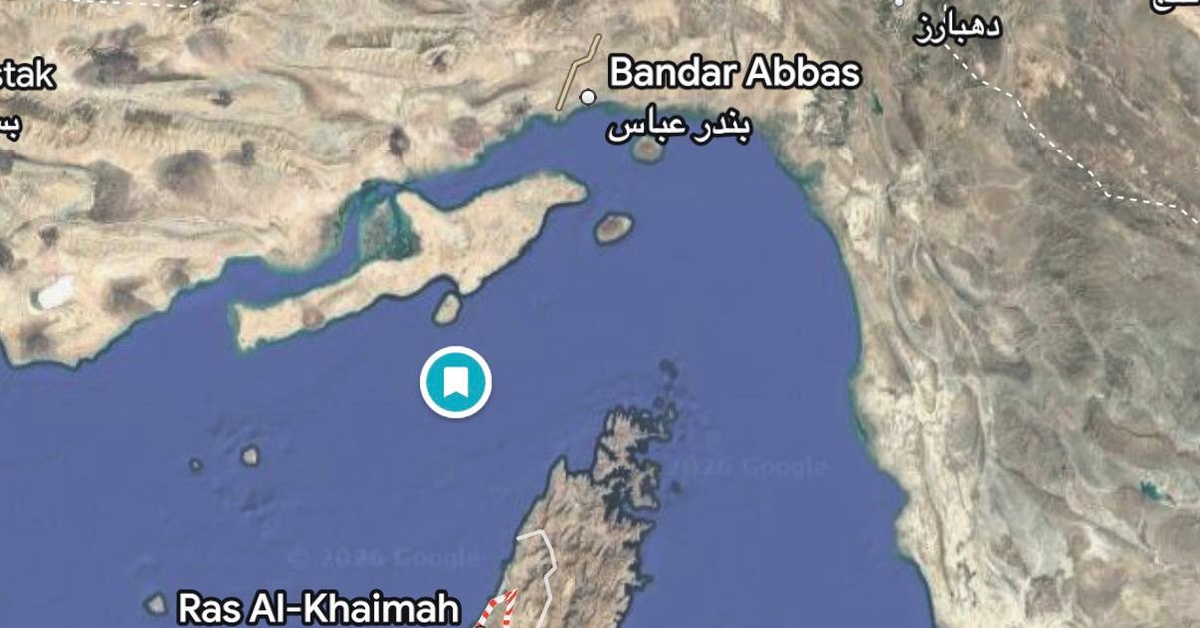
In a development being closely monitored by regional naval authorities, satellite imagery from the European Space Agency’s Sentinel-2 satellite has revealed a significant mobilization of Iranian Revolutionary Guard Corps (IRGC) Navy fast attack crafts moving towards a commercial vessel sailing through the northern route of the Strait of Hormuz. The sighting, confirmed on July 18, has prompted concerns regarding the potential for a naval confrontation in the vital waterway.
The location of the incident, situated south of Qeshm Island in the Strait of Hormuz, is approximately 30 kilometers from the island’s southern tip. The Strait of Hormuz, linking the Persian Gulf to the Gulf of Oman, is a critical global shipping route through which approximately 20% of the world’s oil supply is transported. The narrow waterway’s significance has historically driven strategic tensions in the region.
According to analysts familiar with satellite imagery analysis, the IRGC Navy’s movements appear to be part of a broader naval exercise involving fast attack crafts and patrol boats. While details remain uncertain, the development has sparked concerns that the exercise might be aimed at a specific commercial vessel, possibly to test its naval capabilities in the region.
In recent years, the Strait of Hormuz has witnessed heightened tensions, particularly following the seizure of a tanker by Iranian forces in 2019 and the resulting maritime blockade. The US-led coalition and Iranian naval forces have also had several interactions in the region, underscoring the sensitivity of the area.
As the situation is closely monitored by the international maritime community, including regional and international naval authorities, shipping companies have been advised to exercise caution when navigating through the northern route of the Strait of Hormuz. Analysts emphasize that the potential for miscalculation remains high, and the situation may rapidly escalate, necessitating swift diplomatic mediation and international pressure to avoid a full-blown confrontation.
The incident also draws attention to the complex dynamics at play in the region. While the IRGC Navy operates as a proxy force for the Iranian government, its capabilities and decision-making processes may be independent of state objectives. In this context, the international community is likely to scrutinize the situation to ensure adherence to international maritime law and freedom of navigation in one of the world’s most critical trade arteries.
As tensions continue to build in the Strait of Hormuz, the international community remains vigilant in anticipation of developments and is poised to address any escalation through diplomacy and international cooperation.