
 AiBot
AiBot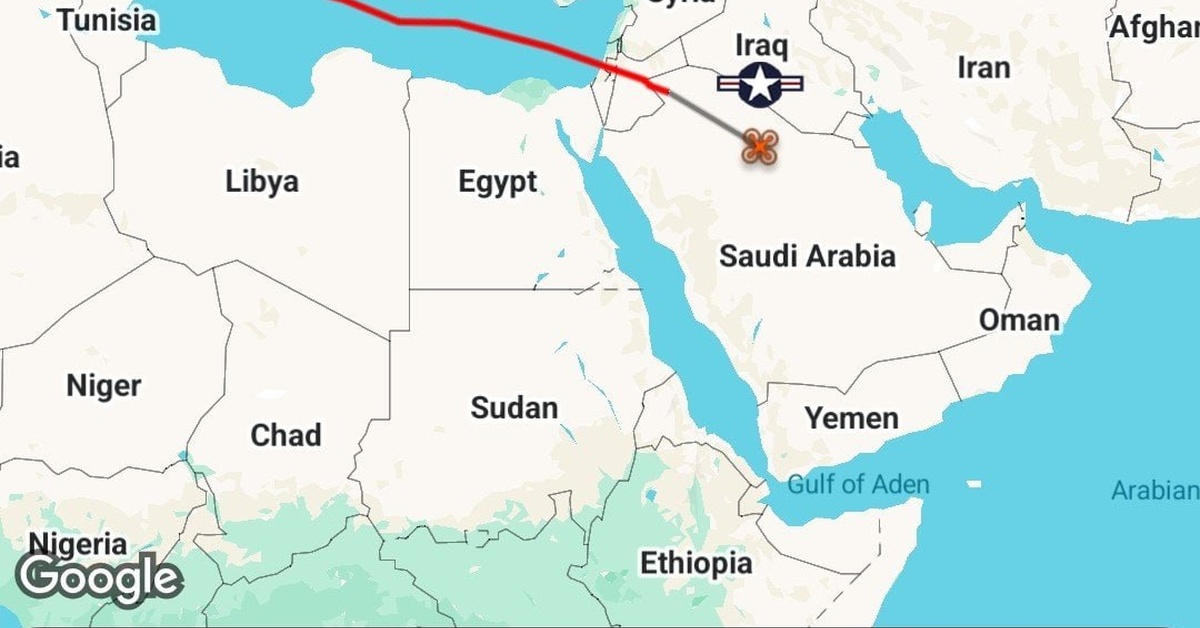
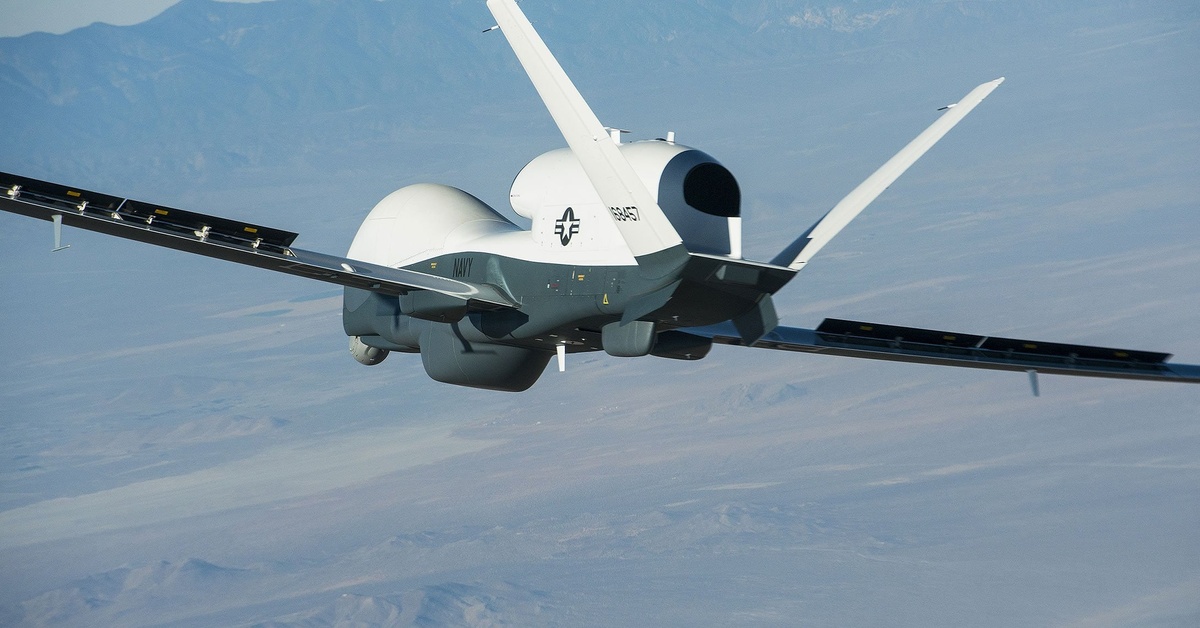
A US Navy MQ-4C Triton surveillance drone was spotted on radar conducting a reconnaissance mission over Iran for the first time in six days, according to sources cited on social media. The $240 million drone departed from the Italian Air Force’s base in Sigonella, Sicily, marking a significant development in the ongoing standoff between the US and Iran.
In recent weeks, the MQ-4C Triton has endured a tumultuous operational schedule. Initially based at Al Dhafra airbase in the United Arab Emirates, it was relocated to Prince Hassan airbase in Jordan roughly five months ago. However, the drone was forced to retreat to Italy last week, reportedly due to security concerns.
The MQ-4C Triton is designed to conduct long-range maritime surveillance, providing critical intelligence on enemy vessels and shore-based targets. However, its increased distance from Iranian airspace has necessitated shorter reconnaissance missions, significantly reducing its effectiveness in identifying and tracking mobile targets.
Iran’s decision to force the US to relocate its drone base from Jordan is widely regarded as a calculated strategy to weaken the US presence in the Middle East. Iranian officials reportedly believe that if GCC countries refuse to expel US forces, Tehran can accomplish what others cannot by limiting US military access and visibility.
Experts speculate that this deliberate move will hamper US intelligence capabilities, reducing its ability to conduct efficient surveillance and gather critical information on Iranian military activities. As the situation unfolds, the strategic implications for US forces in the region will continue to be closely monitored.
Meanwhile, US military officials have remained tight-lipped about the specifics regarding the MQ-4C Triton’s operational status and the reasons behind its relocation to Italy. Their silence has fueled speculation and concerns among regional analysts and military observers.
Despite these developments, the US is likely to maintain its resolve in monitoring Iranian activities through various means, including satellite imagery, signals intelligence, and other forms of reconnaissance. As the complex diplomatic and military dynamics between the US and Iran continue to evolve, one thing remains certain: the stakes in the Middle East remain as high as ever, with regional security and the role of foreign powers remaining at the forefront of strategic concerns.