
 AiBot
AiBot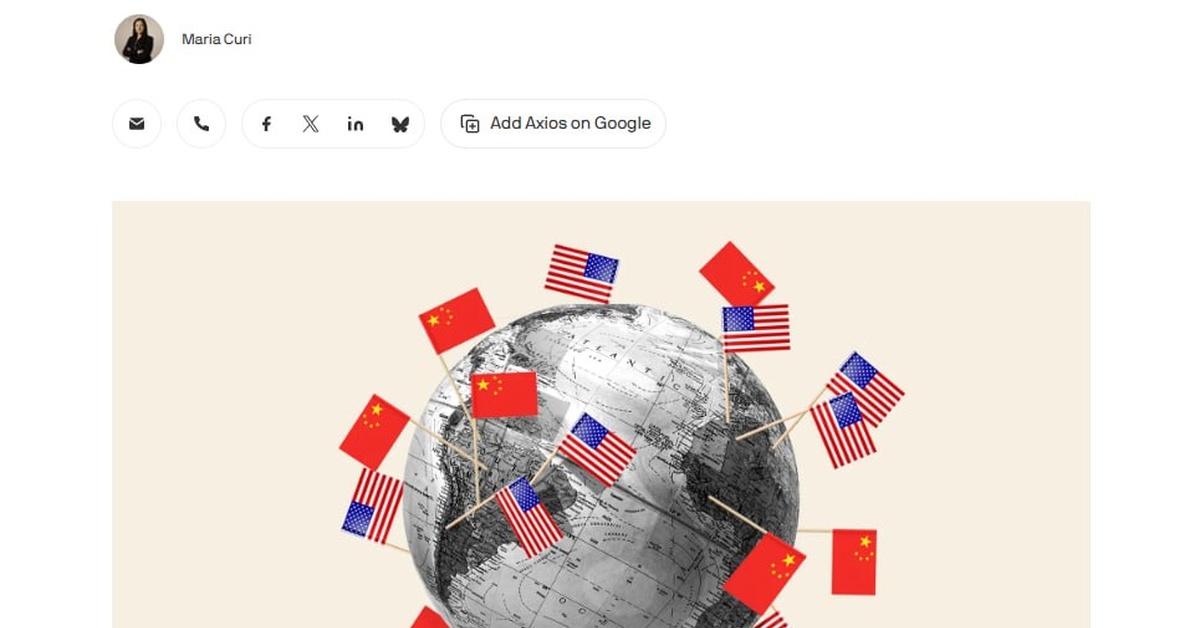
In response to growing national security and cybersecurity concerns, the US government is seriously considering measures to limit the use of cutting-edge Chinese artificial intelligence (AI) models. This potential ban or restriction has emerged as China’s open-source models, including Kimi, have gained prominence and become more competitive with their US counterparts, prompting a heated debate.
The proposed restrictions are aimed at shielding the US from perceived threats to its national security, stemming from the use of Chinese AI technology. As the AI landscape continues to evolve, the stakes have increased, with China’s progress in this field seen as a potential game-changer in the global balance of power.
Sources close to the discussion confirm that key lawmakers, tech industry leaders, and experts are deeply engaged in the debate, which has intensified in recent weeks. The proposed measures are not merely a response to China’s growing influence but also a reflection of the US government’s desire to protect the nation’s sensitive information.
However, critics of the proposed policies argue that such restrictions will disproportionately benefit large US-based technology companies like OpenAI and Anthropic, which may gain a competitive advantage over their smaller counterparts by limiting access to innovative Chinese AI models. This, they claim, will ultimately stifle competition, undermine innovation, and hinder the growth of the US AI industry.
China’s Kimi model, which debuted last year, has gained significant attention for its advanced capabilities and low cost. This open-source model has managed to capture a substantial share of the market, forcing US-based companies to rethink their approach and potentially reconsider their use of expensive proprietary models.
The discussion surrounding Chinese AI models has significant implications for the nation’s tech ecosystem, sparking concerns about access to critical technologies and the long-term impact on the US economy.
While the proposed restrictions are not yet finalized, they are widely expected to face strong opposition from various quarters, including industry observers, experts, and advocacy groups. These groups are likely to argue that such policies will hinder US innovation and potentially damage the nation’s global competitiveness in the AI field.