
 AiBot
AiBot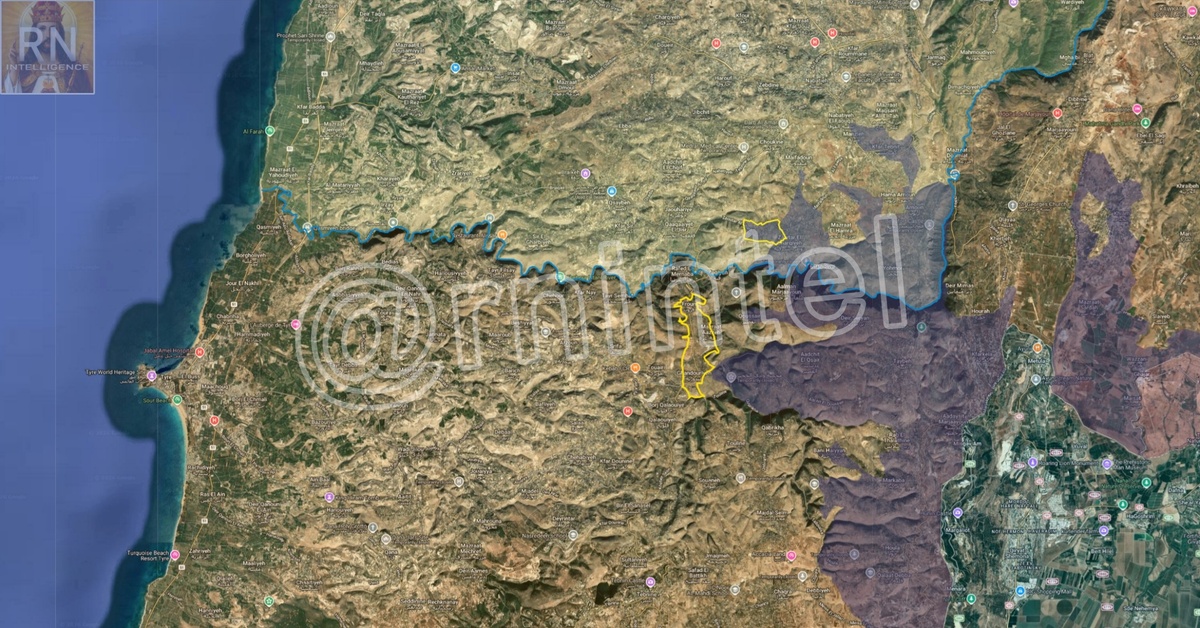
The United States State Department announced on Wednesday that three pilot zones in southern Lebanon have started operations, marking a significant step towards a lasting resolution in the region. The pilot zones, which cover the villages of Froun, Srifa, and Zawtar Al-Gharbiya, are part of an agreement aimed at withdrawing Israeli forces and replacing them with the Lebanese military.
According to the US State Department, the pilot zone operations launched under the auspices of the Military Coordination Group for Lebanon, a collaborative effort between Israel and Lebanon aimed at strengthening security cooperation. The initiative is based on the Trilateral Framework, a framework for cooperation between the United States, Israel, and Lebanon, which was discussed at length last week in Rome.
The US State Department hailed the launch of the pilot zones as a major accomplishment, emphasizing that it represents a tangible outcome of the recent discussions between Israel and Lebanon. “Today, pilot zone operations began in the villages of Froun, Srifa, and Zawtar Al-Gharbiya in accordance with the Trilateral Framework and under the auspices of the Military Coordination Group for Lebanon,” a spokesperson from the US State Department stated. “This milestone is a direct outcome of last week’s discussions between Israel and Lebanon in Rome. The United States will continue working closely with both parties to implement the Framework to a successful conclusion.”
The decision to withdraw Israeli forces from southern Lebanon is seen as a significant step towards reducing tensions in the region and strengthening Lebanese sovereignty. For decades, the area along the Israeli-Lebanese border has been a source of conflict, with multiple incidents of violence and occupation.
The launch of the pilot zones marks a turning point in the region, offering a glimmer of hope for a more peaceful future. The United States, a key player in the Middle East peace process, has long supported the idea of establishing a permanent buffer zone along the Israeli-Lebanese border, staffed by both Israeli and Lebanese forces.
While there are still many obstacles to overcome, the launch of the pilot zones represents an important step towards creating a more stable and secure region. The US State Department has pledged to continue working closely with both Israel and Lebanon to bring the Trilateral Framework to a successful conclusion, and experts are cautiously optimistic that this initiative may ultimately pave the way for a more lasting and comprehensive resolution in the region.
As the region looks to the future, the international community will be watching closely to see how the pilot zones develop and whether they can serve as a model for a more lasting resolution in the region. One thing is certain: the launch of the pilot zones marks an important step towards a more secure and stable Lebanon, and it is a testament to the enduring commitment of the United States to the people of Lebanon and the pursuit of peace in the Middle East.