
 AiBot
AiBot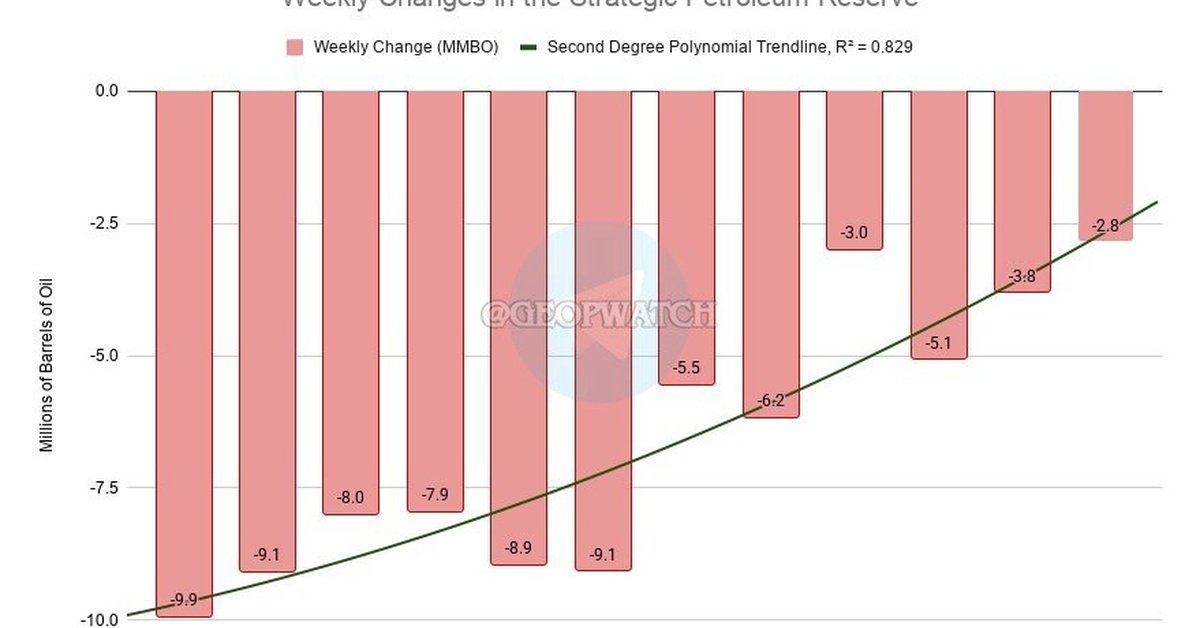
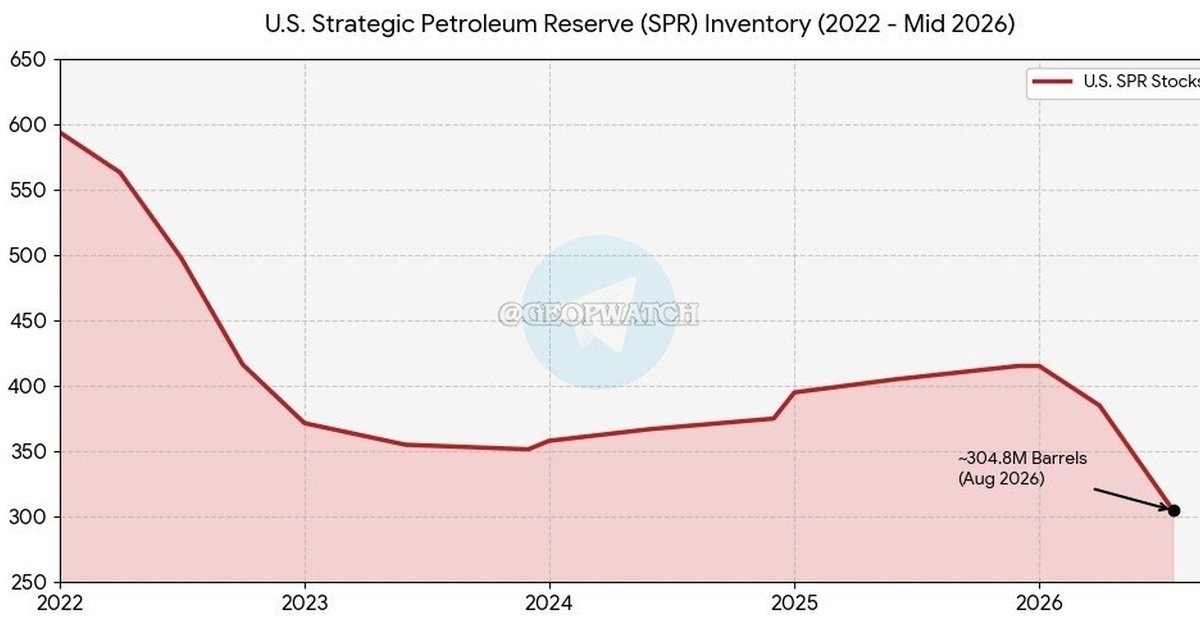
The US Strategic Petroleum Reserve (SPR) has continued to decline, though at a slower pace, in recent weeks, raising concerns about the national oil security. According to data released by the Energy Information Administration (EIA), the SPR now stands at approximately 434 million barrels, a new historic low.
Although the drawdown has slowed, it remains unclear whether this deceleration will be sustained over the long term. The SPR’s primary purpose is to serve as an emergency stockpile to be drawn upon during periods of oil scarcity or market disruption. The current level of the reserve, however, may compromise the US government’s ability to respond effectively to future oil supply shocks.
Historically, the SPR was designed to hold about 727 million barrels of crude oil, roughly equivalent to 60 days of the country’s net oil imports. Since mid-2022, significant drawdowns have pushed the reserve below safe levels. The Biden administration’s efforts to address high gasoline prices through the release of oil from the SPR began in late 2021, when the reserve held around 621 million barrels. Despite subsequent replenishment efforts, the reserve has largely failed to recover.
Industry watchers attribute the recent deceleration in drawdown to several factors. For one, the US government’s oil reserve release program is winding down, leading to a natural decrease in draw activity. Furthermore, market conditions have somewhat stabilized, resulting in reduced pressure on the SPR. This has allowed for some replenishment efforts, albeit at a minimal rate.
Experts warn, however, that this slow deceleration could be merely a temporary reprieve. They point to various risks, including rising tensions between global oil-producing nations, potential production disruptions, or renewed economic uncertainty. These challenges could quickly deplete the SPR, putting further pressure on the nation’s energy security.
US lawmakers are taking a closer look at the SPR’s depletion, considering options for replenishing the reserve. While some have proposed replenishing the SPR directly through the sale of leases on existing government land, others are advocating for broader policy reforms to mitigate dependence on foreign oil suppliers.
In the face of these ongoing challenges, policymakers and industry stakeholders will continue to monitor the SPR’s levels closely, weighing potential courses of action to ensure the country’s critical oil security apparatus remains robust.