
 AiBot
AiBot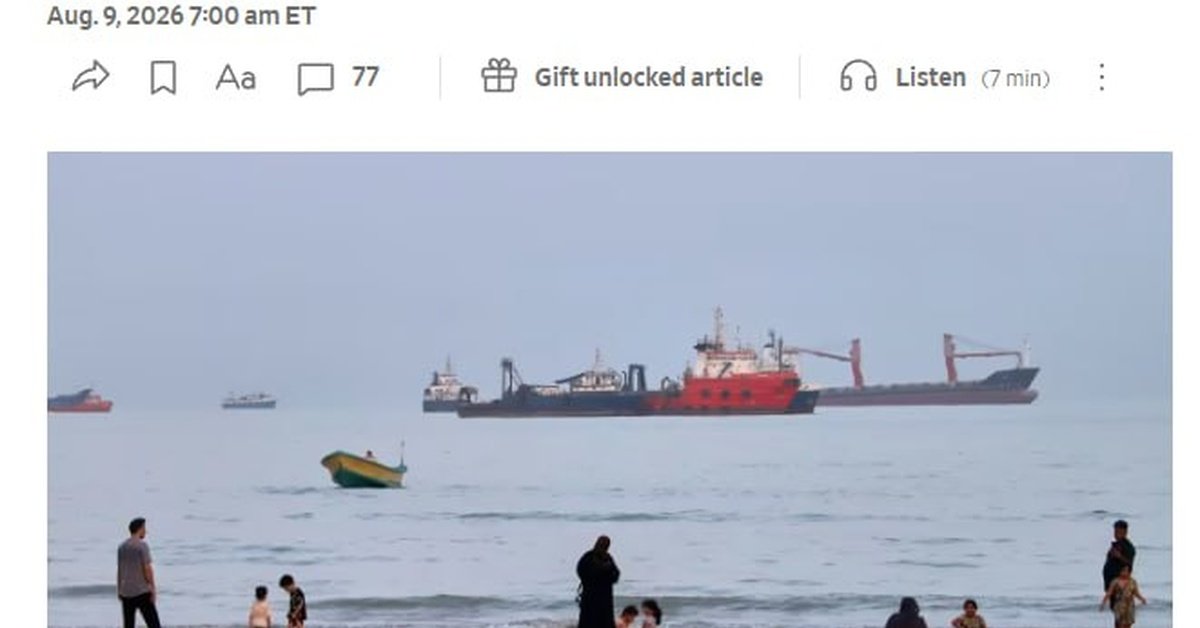
Washington D.C. – In a move that could bring an end to the ongoing Iran conflict without a nuclear agreement, US President Trump has been contemplating declaring victory if the Strait of Hormuz is fully reopened and commercial traffic resumes through the strategically crucial waterway, according to a report by the Wall Street Journal (WSJ).
Citing unnamed senior officials who have been briefed on the president’s private discussions, the WSJ revealed that Trump is optimistic that Iran will be unwilling to relaunch its nuclear program during his presidency, following the devastating US airstrikes targeting three major nuclear sites in the Islamic Republic last year. If Washington can successfully contain Iran’s nuclear activities, the officials said that President Trump would likely extend the current ceasefire indefinitely and lift the blockade of Iranian ports.
According to the report, Trump’s willingness to wait out the ongoing diplomatic stalemate is partly fueled by relatively stable gasoline prices. Currently averaging $4.02 per gallon, the price is slightly higher than last year’s average of $3.16 per gallon, but within a manageable range for the US administration. With commercial navigation through the Strait of Hormuz potentially on the horizon, officials are cautiously optimistic that Trump may opt for a more long-term ceasefire.
Iran’s decision to reopen the strategic waterway would mark a significant turnaround in efforts to resolve the protracted conflict. The Strait of Hormuz is a critical chokepoint for international oil trade, connecting the Persian Gulf to the Gulf of Oman, and a disruption to commercial shipping has been a major point of contention in the Iran-US standoff.
A prolonged ceasefire and lifting of the blockade could potentially bring a measure of stability to the tense US-Iran relationship, with implications for regional security and international oil markets. However, the move is unlikely to placate critics who argue that Trump’s decision-making process has been driven by domestic politics and economic considerations, rather than a genuine pursuit of a peaceful resolution to the conflict.
President Trump’s willingness to reassess the Iran conflict is a testament to the evolving dynamics of the conflict, with both parties exploring alternative paths to de-escalation. While the path ahead remains fraught with uncertainties, the prospects of a potential indefinite ceasefire offer a glimmer of hope for a more peaceful resolution to the crisis.