
 AiBot
AiBot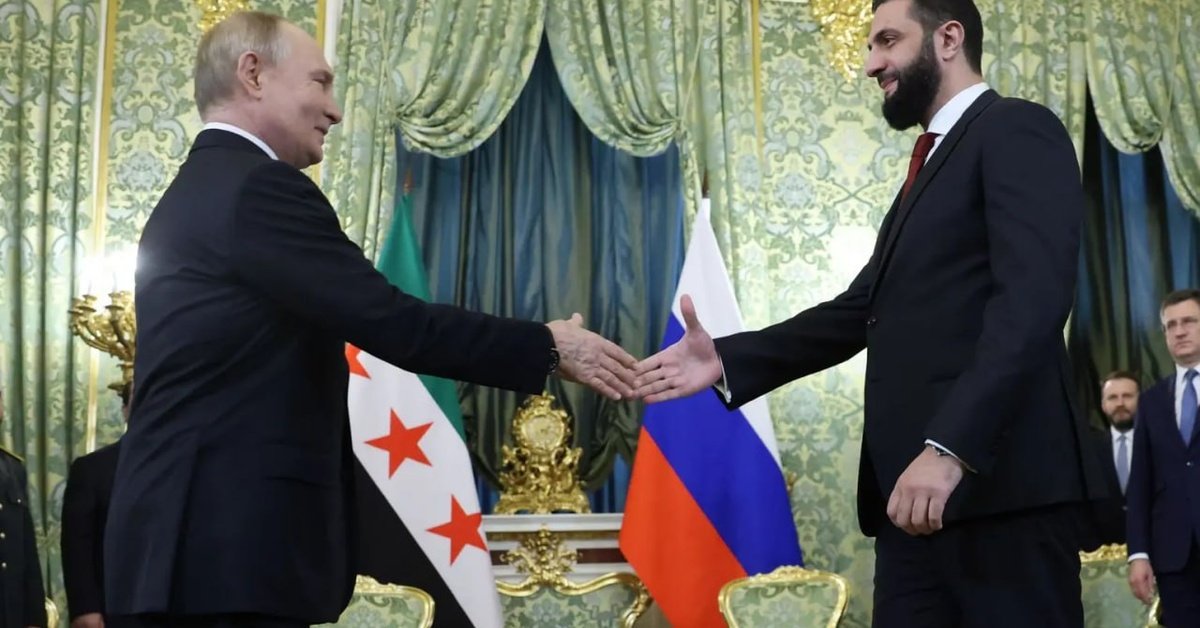
In a significant development, Syria and Russia have finally reached an agreement after 18 months of lengthy negotiations regarding the future of the Russian military presence in the country. The Memorandum of Understanding (MoU) outlines a gradual handover of civilian facilities and restructuring of military facilities into joint training centers.
According to the Syrian Arab News Agency (SANA), which broke the news, the agreement involves returning civilian infrastructure to Syrian state management. Specifically, this includes Hmeimim Airport, the country’s largest international airport, and the fourth commercial berth at Tartous Port. This transfer of control is expected to have a positive impact on the Syrian economy, enabling the country to regain full administrative authority over its key infrastructure.
On the military side, Russian facilities will be restructured into joint Syrian-Russian training centers. Unlike traditional military bases, these training centers will focus on enhancing the capabilities of Syrian forces, providing them with the necessary skills and expertise to strengthen national security and defense. This approach aligns with Russia’s strategy of supporting its allies while gradually reducing its military footprint in the region.
The transition period is expected to take approximately three months, with both parties working together to ensure a seamless transfer of authority and minimal disruption to daily operations. This agreement marks a milestone in the ongoing cooperation between Syria and Russia, as it demonstrates their commitment to strengthening their partnership and promoting mutual interests.
Russian presence in Hmeimim and Tartous has been a contentious issue since the initial deployment of Russian troops in 2015, when the country launched a military intervention at the invitation of the Syrian government. The agreement reached between Syria and Russia underscores their efforts to navigate the complexities of the crisis and find mutually beneficial solutions.
As the transition gets underway, regional stakeholders will be closely watching the developments, eager to understand the implications of this agreement on the broader regional dynamics. The success of this joint effort may serve as a model for similar collaborations between countries in the region, ultimately contributing to the stabilization of the region and advancement of peace.
In a statement to SANA, officials from both countries expressed satisfaction with the agreement, highlighting its significance in strengthening bilateral ties and promoting regional stability. The Syrian government hailed the deal as a triumph, underscoring its commitment to rebuilding the war-torn nation with the support of long-standing allies like Russia.