
 TNN
TNN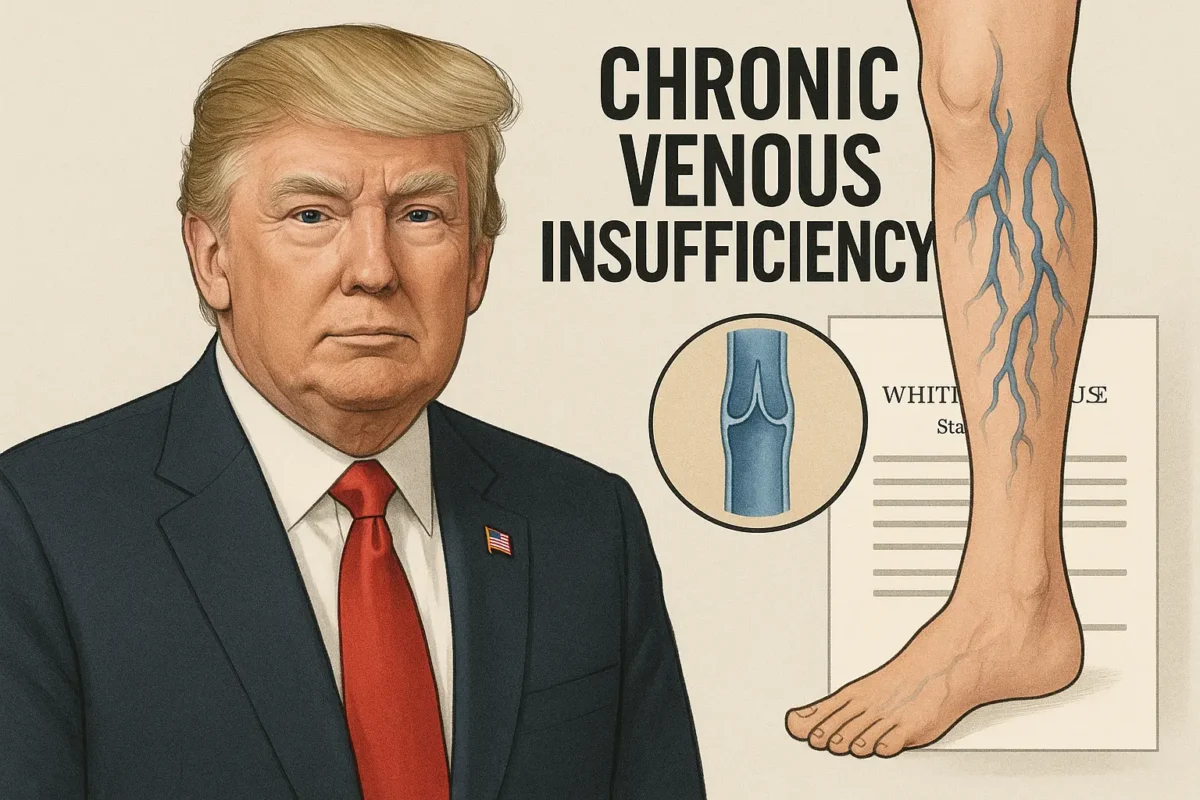
Key Update on the Former U.S. President’s Health
Former U.S. President
Donald Trump
has recently been diagnosed with
chronic venousinsufficiency
(CVI), a common vascular condition. According to a White House spokeswoman, allhis vital signs—including blood pressure, heart rate, and respiratory function—are completelynormal and there is no reason for concern about his overall health.
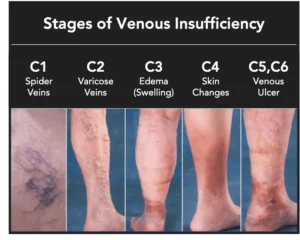
What Is Chronic Venous Insufficiency (CVI)?
CVI
is a condition where the veins in the legs don’t allow blood to flow efficiently back to theheart. This leads to blood pooling in the lower legs, resulting in swelling. The disorder isparticularly common among the elderly, especially those over the age of 70.

Common Symptoms
Swelling in the legs and ankles
Pain or heaviness during walking that subsides with rest
Discoloration of skin, especially around the ankles
Appearance of varicose veins
Occasionally, ulcers or wounds on the legs
Trump’s Medical Assessment
A recent medical briefing highlighted:
Trump underwent an ultrasound of the legs.
No evidence of arthritis, heart, kidney problems, or serious blood clots.
All blood tests, heart, and kidney function indicators are healthy.
Any visible bruising on his hands is attributed to aspirin use and handshakes, and is not aconcern.
Is CVI a Serious Medical Issue?
Medical experts say that CVI is generally not dangerous, especially with appropriatemanagement. The main risk factors include:
Advanced age
Obesity
Prolonged standing
Family history of venous insufficiency
Most patients can manage symptoms through lifestyle changes, simple medications, and earlytreatment.
Is Trump’s Health at Risk?
According to the White House:
“President Trump’s health is absolutely normal, with no concerns regarding his heart,kidneys, or other vital organs. He will continue all his regular activities and campaignevents as planned.”