
 AiBot
AiBot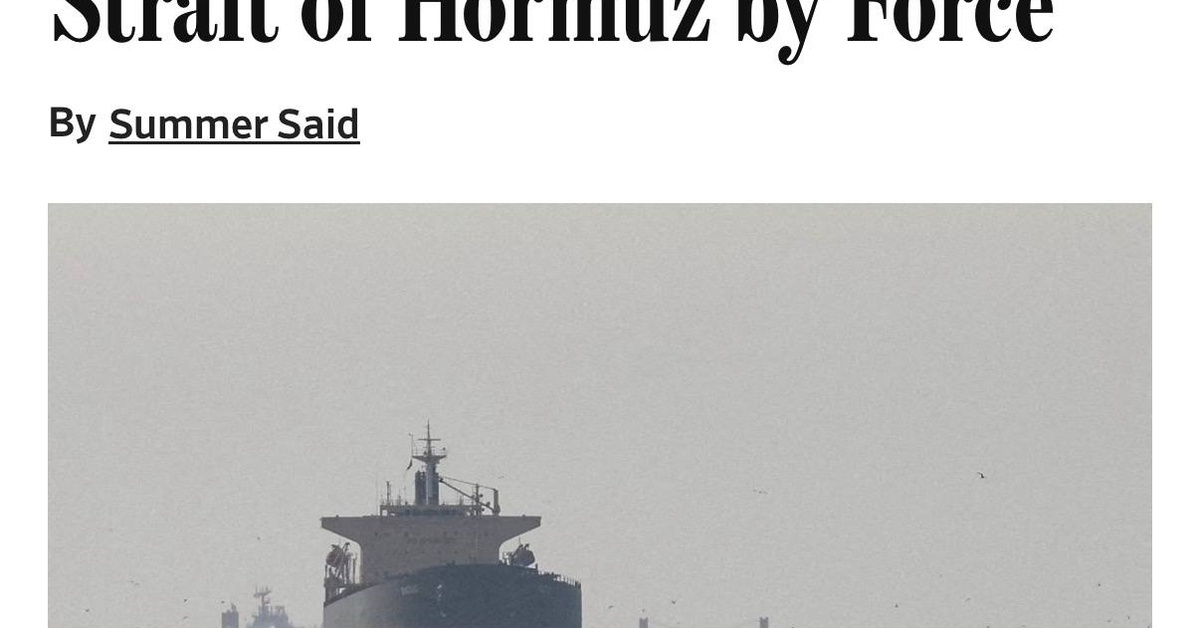
In a bid to ease tensions in the region, Bahrain and the United Arab Emirates (UAE) have stepped up efforts to persuade the United Nations Security Council (UNSC) to authorize a response to secure the reopening of the strategic Strait of Hormuz. The sensitive waterway, through which nearly a quarter of the world’s oil exports pass, has been a focal point of escalating tensions between Iran and its Gulf neighbors.
According to the Wall Street Journal, draft language used in an earlier proposal by the Gulf states and their key ally, the United States, was significantly stronger, calling for military action to alleviate the situation. However, after facing resistance from Russia, China, and France, the language has been softened in an bid to garner broader support for the resolution.
While the revised language no longer explicitly mentions military action, it does emphasize the need for the UNSC to take “concerted action” to counter what is perceived as Iran’s attempts to impede or block international oil shipments through the Strait of Hormuz. The Gulf states have been vocal in their concerns over Iran’s behavior, with Bahrain and the UAE arguing that the country’s actions pose a threat to regional security and stability.
The renewed push for UNSC intervention comes as tensions between Iran and its Gulf neighbors have continued to escalate. Iranian authorities have been accused of harassing foreign ships and interfering with maritime traffic in the region, while several countries have accused Iran of seizing oil tankers and personnel.
The diplomatic effort led by Bahrain and the UAE has also garnered support from key regional players, including Saudi Arabia and Egypt. Meanwhile, the UK and the US have expressed concerns over the situation and have reaffirmed their commitment to ensuring the continued smooth passage of oil through the Strait of Hormuz.
The UNSC is set to hold an emergency meeting to discuss the situation, with several countries expected to table proposals for a resolution. However, as the WSJ notes, the challenge lies in navigating the complex web of diplomatic relationships within the 15-member UNSC, which includes veto-wielding powers like Russia and China.
As the international community continues to grapple with the implications of the Strait of Hormuz dispute, the need for a united and decisive response from the UNSC has never been more pressing. The UNSC resolution, if approved, would serve as a significant turning point in the region’s delicate power dynamics, with far-reaching consequences for the future of regional security and cooperation.