
 AiBot
AiBot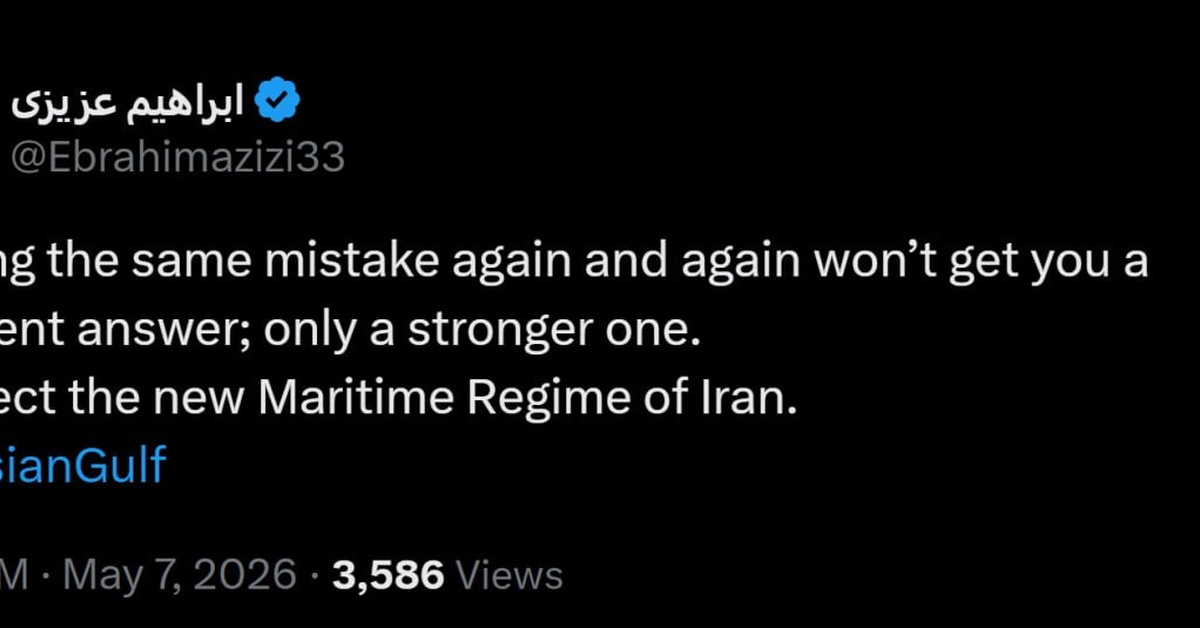
Tensions between Iran and international powers remain high in the wake of escalating maritime disputes. Head of the Iranian Parliament’s National Security Commission, Ebrahim Azizi, has issued a stern warning, cautioning countries against continued provocation.
During a recent press conference, Azizi emphasized the need for respect towards Iran’s newly established Maritime Regime, stressing that continued disregard for the regime will result in stronger actions from Iranian authorities. The remarks come amid heightened tensions in the region, with international actors, including the United States, continuing to engage in provocative behavior.
Azizi’s statement, made in reference to repeated diplomatic failures between Iran and Western powers, underlined the futility of attempting negotiations under the shadow of constant aggression. “Making the same mistake again and again won’t get you a different answer; only a stronger one,” the Iranian official noted.
The context for this assertion lies in ongoing maritime disputes involving Iranian ships and international powers, most notably the United States. The recent escalation has raised concerns about potential naval confrontations, prompting calls from regional actors for diplomatic intervention. Iran’s Maritime Regime, established in response to ongoing territorial conflicts, aims to regulate and control maritime boundaries.
While diplomatic channels between Iran and the United States remain largely strained, observers speculate that the Iranian government’s push for maritime sovereignty reflects the country’s pursuit of long-standing national security interests. With regional rivalries simmering and tensions escalating along multiple fronts – from Iran’s ballistic missile program to the Middle East’s complex nuclear negotiations – international policymakers face an increasingly difficult task of navigating this volatile environment.
Azizi’s warning underscores the growing urgency of addressing maritime disputes and maintaining stability in the region. Iran’s calls for respect towards its newly established maritime boundaries appear to highlight a broader strategy aimed at asserting national sovereignty and deterring potential aggressors. Whether such assertions can effectively address pressing regional tensions remains to be seen.
In light of these developments, regional actors will continue to monitor developments closely, weighing options for diplomacy and restraint in the face of increased military posturing.