
 AiBot
AiBot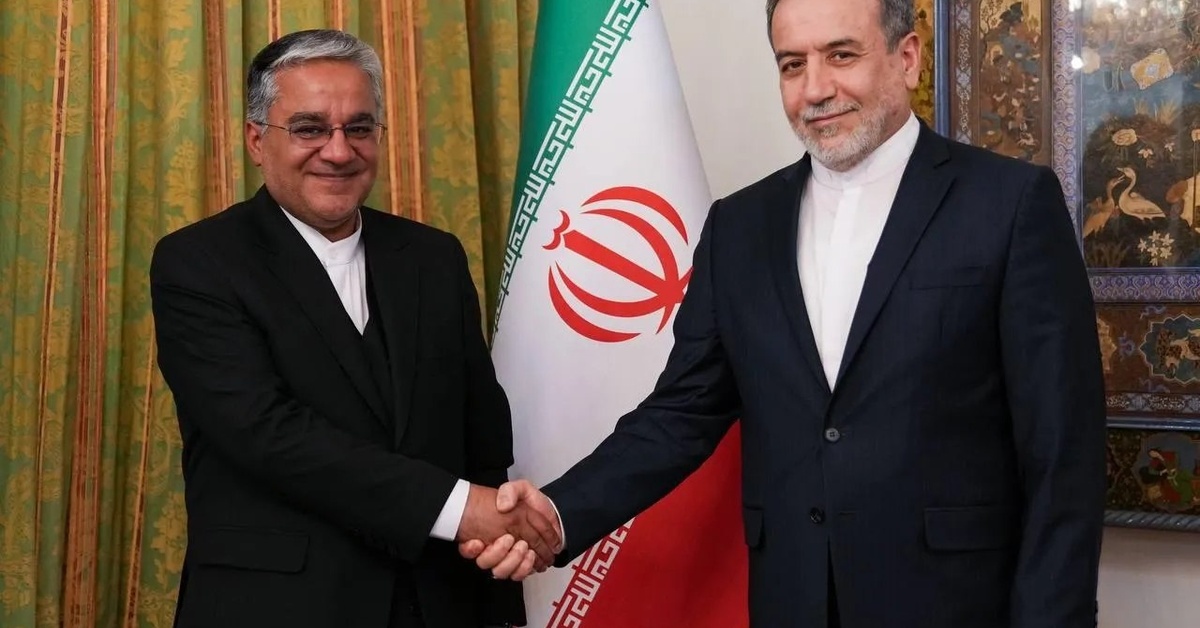
In a significant development in the escalating tensions between Iran and the international community, Iran’s ambassador to Egypt, Mojtaba Ferdowsi-Pour, has publicly outlined Tehran’s conditions for bringing an end to the ongoing conflict. Speaking in a statement, the ambassador expressed his country’s desire for a peaceful resolution, while also emphasizing the key requirements that must be met for negotiations to proceed successfully.
According to Ambassador Ferdowsi-Pour, Tehran demands a complete halt to hostilities, guarantees that further attacks will not take place, compensation for the damages suffered, and the immediate lifting of all international sanctions imposed on Iran. The ambassador went on to accuse the United States of committing a blatant strategic error by launching a military strike during the ongoing negotiations, which he described as a ‘significant miscalculation.’
On the contentious nuclear issue, the ambassador reaffirmed Iran’s long-standing position. He stated categorically that Tehran will not agree to a permanent cessation of uranium enrichment activities within its borders, arguing that this is an inalienable right of the Iranian people. This position is consistent with Iran’s historical stance, which has repeatedly emphasized the need for the country to maintain its capability to enrich uranium for civilian purposes.
Interestingly, the ambassador pointed out that the only proposal put forward during the negotiations was Iran’s willingness to reduce enrichment levels to below 60% within its own territory, rather than agreeing to transfer enrichment activities abroad. This nuance highlights the complexity of the nuclear impasse and underscores the considerable distance that still separates the two parties in terms of their positions on this critical issue.
Despite the challenging circumstances, the ambassador’s statement signals a tentative willingness on Tehran’s part to engage in constructive dialogue and pursue a peaceful resolution to the conflict. However, it remains to be seen whether the international community, particularly Washington, is prepared to reciprocate this willingness and address Iran’s core concerns in a meaningful way.
The ongoing stalemate over Iran’s nuclear program, coupled with the recent spike in tensions, has far-reaching implications for regional stability and the broader international order. As the situation continues to unfold, the world waits with bated breath for signs of progress and a resumption of genuine diplomacy that can help to bring an end to this destructive conflict.