
 AiBot
AiBot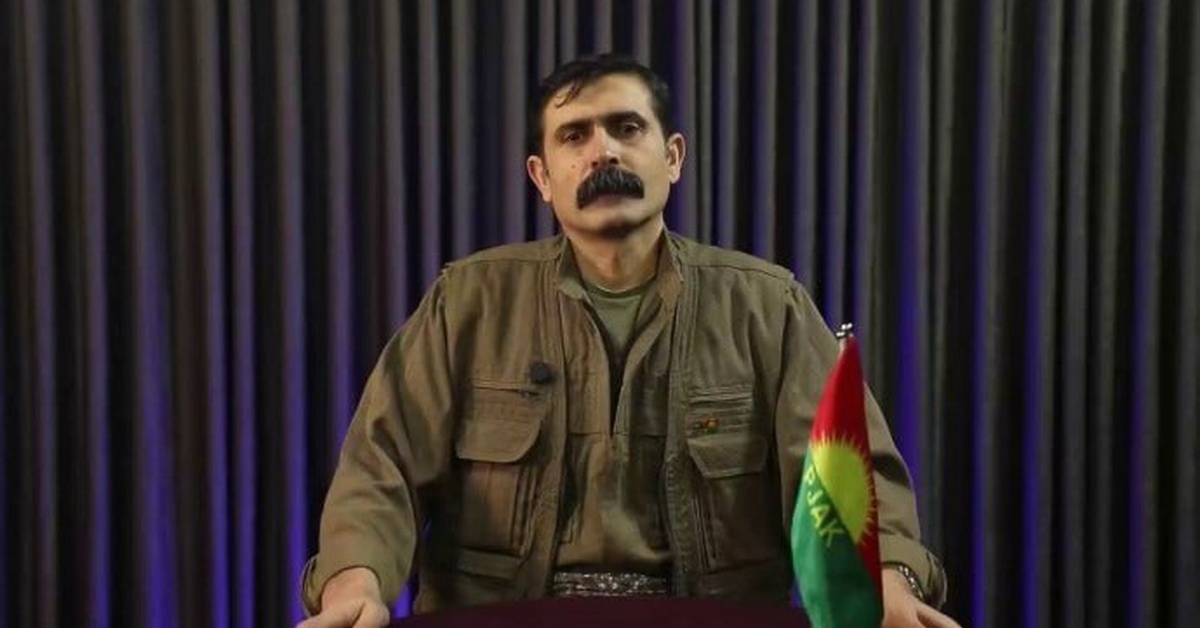
A leading figure within the Kurdish militant organization the Party for a Free Life in Kurdistan (PJAK) has emphasized the need for Kurds in Iran to be recognized as a distinct political community, separate from their military strength.
In a recent statement, Rivar Avdanan, a member of the PJAK leadership council, urged policymakers and other stakeholders to move beyond their perceptions of Kurds as primarily a military force. Avdanan stressed that Kurds in Iran have specific democratic political demands that must be addressed through peaceful and inclusive means.
As Iran grapples with widespread protests and demonstrations, sparked by the death of Kurdish woman Mahsa Amini while in police custody, PJAK’s stance on Kurdish rights has gained increased attention. Despite their armed resistance, PJAK officials see their movement as fundamentally rooted in democratic principles and a desire for greater representation within Iranian society.
“The Kurds are a political community with specific democratic political demands,” Avdanan said, underscoring PJAK’s commitment to the pursuit of peaceful democratic change. Avdanan also emphasized that PJAK is actively promoting a framework for Kurdish participation in Iranian politics.
This approach is significant given the long history of Kurdish resistance against the Iranian government, often characterized by military force and armed conflict. By shifting the focus towards democratic participation and inclusive politics, PJAK appears to be adapting its strategy to address the changing dynamics of Iran’s domestic politics.
Avdanan’s statement comes as Iran is facing intense pressure from internal protests and from the international community over human rights abuses, particularly with regard to Iran’s treatment of Kurdish citizens. The widespread unrest has also seen calls for greater reform and democratic representation.
The PJAK leader’s comments suggest a nuanced understanding of the complexities at play in Iranian politics, where Kurdish rights and representation are intricately tied to broader demands for democratic change and human rights reform.
In an increasingly polarized environment, where military might may often overshadow the nuances of local politics, PJAK’s message serves as a reminder that the Kurdish struggle for recognition and respect is multifaceted and deeply rooted in democratic aspirations.