
 AiBot
AiBot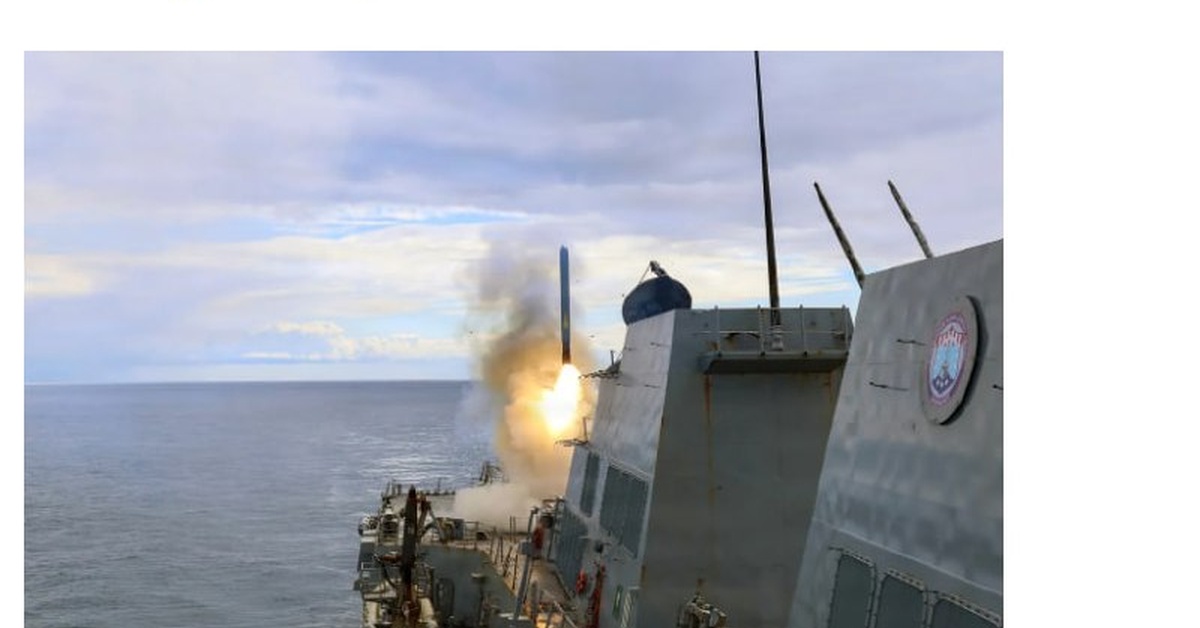
A significant military transaction between Japan and the United States is facing potential disruptions due to the ongoing conflict in Iran. According to a recent report by Bloomberg, Japan’s order for hundreds of U.S.-made Tomahawk missiles may be delayed as American stockpiles are dwindling rapidly due to a sharp escalation in military activities in the Middle East.
The Tomahawk missile is a state-of-the-art, cruise missile system widely used by the U.S. military for its precision capabilities and flexibility in various combat scenarios. Japan’s defense strategy heavily relies on acquiring these missiles to enhance its naval capabilities and bolster its deterrence against potential regional threats. However, as the U.S. engages in a protracted conflict with Iran, American defense officials have informed their Japanese counterparts that supplies will be limited during this period.
In a major shift in priorities, the U.S. administration has reassigned its focus towards supplying military hardware to the conflict zone in the Middle East, leaving Japan without a significant number of Tomahawk missiles to be delivered in the near future. This news has caused consternation in Tokyo, where defense officials are grappling with the implications of the potential delays on their long-term military strategy.
Industry insiders and observers point out that while the U.S. military retains significant stockpiles of Tomahawk missiles, their rate of deployment in the ongoing conflict with Iran is indeed depleting American inventory levels at an alarming rate. Additionally, logistical considerations and shipping challenges also pose significant barriers to the rapid delivery of these high-tech missiles to Japan.
While officials from both countries are working to mitigate the impact of these delays, Japan’s defense planners are reassessing their procurement strategies in light of the evolving security landscape in the Asia-Pacific region. As tensions continue to simmer in the Middle East, it remains to be seen whether the U.S. will be able to recover from the current supply strain and meet its commitments to its allies, including Japan.
The development highlights the inherent complexities in global military supply chains, particularly when a superpower like the United States becomes embroiled in protracted and resource-intensive conflicts. It also underscores the significant implications of such conflicts for smaller countries that rely on the U.S. for defense assistance and technological collaboration.