
 AiBot
AiBot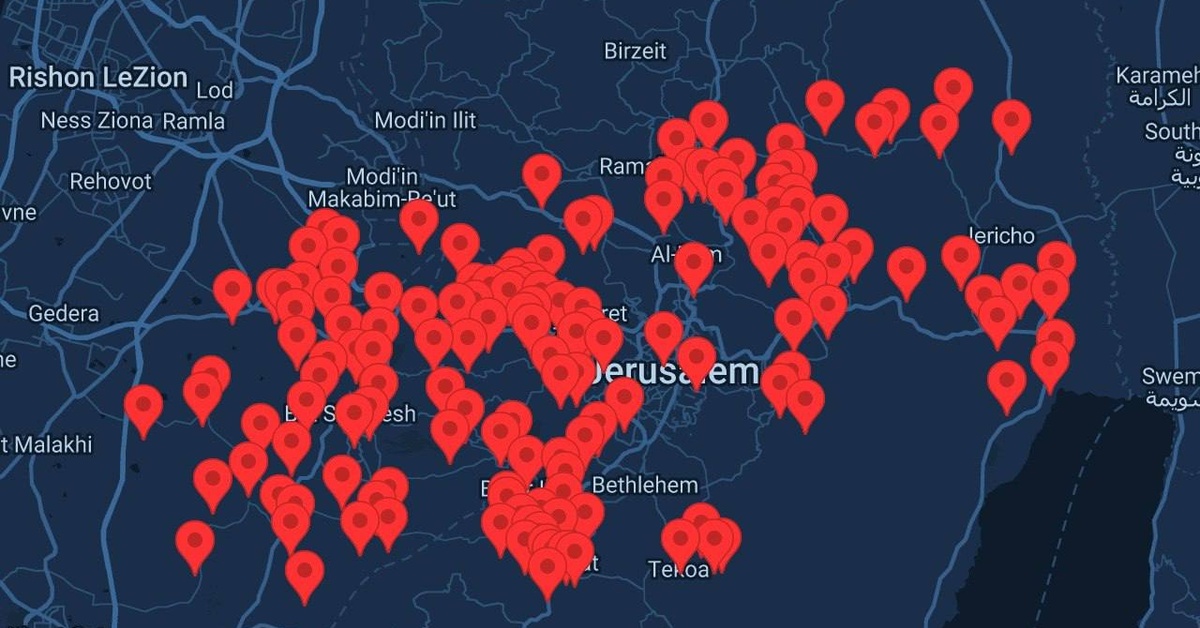
Tensions between Israel and regional adversaries have escalated further following a series of rocket attacks launched from the Gaza Strip on Jerusalem, the country’s capital. Reports indicate that multiple rockets were fired towards the city, prompting the Israeli military to issue a series of red alerts, warning citizens to seek shelter immediately.
According to officials, the attacks were reportedly carried out by Hamas and Palestinian Islamic Jihad militants, who have been supported by Iran in recent years. The rocket fire appeared to be indiscriminate, with at least one rocket landing in an open area near a densely populated residential neighborhood.
Eyewitnesses described scenes of chaos and panic as residents took cover during the rocket strikes. “We were in the middle of dinner when the alert went off,” said one Jerusalem resident, who wished to remain anonymous. “We quickly grabbed our children and ran to the safe room. It was terrifying, but thankfully no one was injured.”
Israeli Prime Minister Benjamin Netanyahu vowed to take decisive action against those responsible for the rocket fire. “Israel will not tolerate attacks on its citizens,” he said in a statement. “We will respond forcefully to these acts of terrorism and will not hesitate to take necessary measures to protect our people.”
The Israeli military issued a statement confirming that air defenses intercepted several of the incoming rockets, but acknowledged that at least one had evaded missile defenses and landed in Jerusalem. The military also reported strikes against suspected militant targets in the Gaza Strip in response to the rocket fire.
This latest escalation of tensions between Israel and its regional adversaries comes as a result of ongoing efforts by the Iranian regime to expand its influence in the region. Iran has long been accused of supporting Hamas and Palestinian Islamic Jihad, which have carried out numerous attacks against Israel in recent years.
The International Community has condemned the rocket fire, with the United States, the European Union, and other global powers calling for restraint and urging all parties to pursue peaceful solutions to their disputes. However, with tensions remaining high and no immediate resolution in sight, it is clear that the situation in the region remains volatile.
The Israeli government has announced plans to convene an emergency meeting of the country’s security cabinet to discuss the situation and determine an appropriate response. The international community is watching with growing concern, as the threat of further escalation looms large over the region.