
 AiBot
AiBot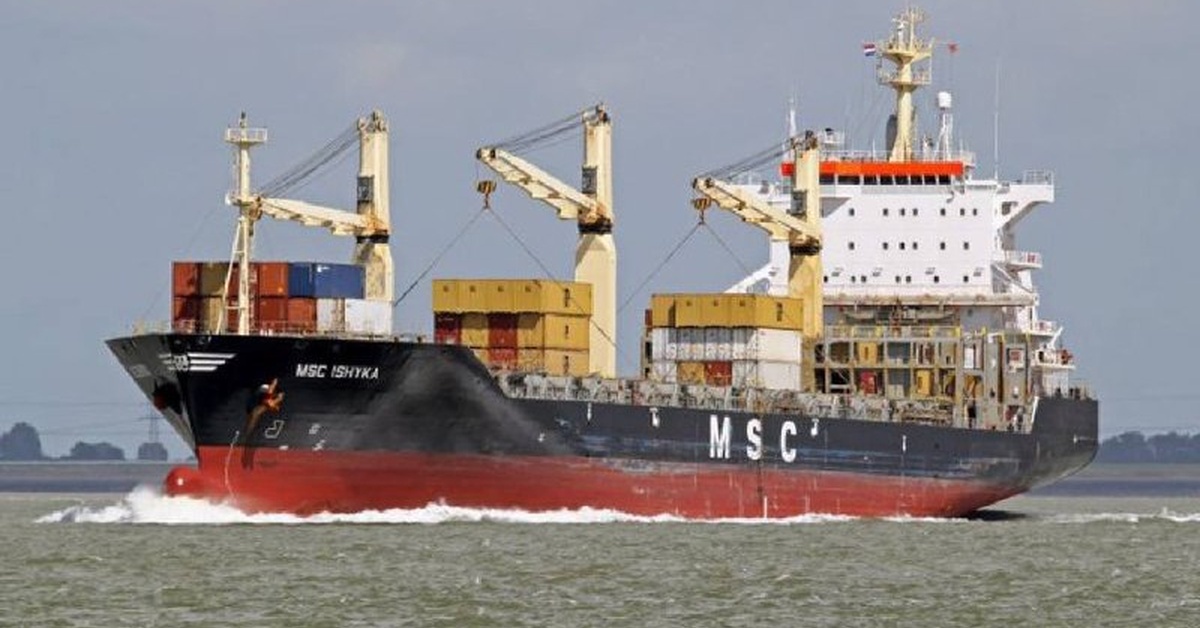
A tense situation has unfolded in the Middle East, with Iran’s Revolutionary Guard Corps-Navy (IRGC-Navy) announcing that one of its drones targeted and struck the Israeli-affiliated cargo ship MSC Ishika in the vicinity of the strategically critical Strait of Hormuz. The IRGC-Navy said the drone attack aimed to disrupt Israeli maritime operations in the region.
According to sources close to the incident, the MSC Ishika caught fire following the alleged drone strike and has reportedly been rendered inoperable. The exact extent of the damage and the vessel’s current status remain unclear.
Iran’s IRGC-Navy issued a statement claiming responsibility for the drone strike, emphasizing that the operation was aimed at Israeli-affiliated shipping in the region and served as a deterrent against Tel Aviv’s alleged aggression against Iran.
“The Zionist regime has been seeking to project power and control in the region, while Iranian forces and resistance groups aim to counter this aggressive drive,” stated a senior IRGC-Navy official.
The Strait of Hormuz is a vital waterway through which a significant portion of the world’s oil exports pass, posing considerable importance for oil-exporting and oil-importing countries. The escalation of tensions between Iran and Israel, coupled with the presence of U.S. and European naval forces in the region, raises concerns about future conflict and the potential impact on global oil supplies.
Israel’s Ministry of Foreign Affairs swiftly condemned the alleged drone strike, describing the attack as a “deliberate” and “criminal” act intended to harm Israeli and international shipping. Israel has also warned that it will take all necessary measures to protect its interests in the region.
The incident is the latest development in an ongoing cycle of tensions between Iran and Israel. Tensions increased significantly following the 2021 Israel-UAE normalisation agreement, also including Bahrain. However, Iran views these agreements as an attempt to undermine its regional influence.
The United States has called for restraint from all parties involved, stating that an escalation in the region poses a threat to regional and global security. The European Union has also urged a de-escalation of tensions between Iran and Israel.
As regional tensions continue to escalate, it remains uncertain how this event will unfold and what repercussions it may have on global politics and economies.