TNN
TNN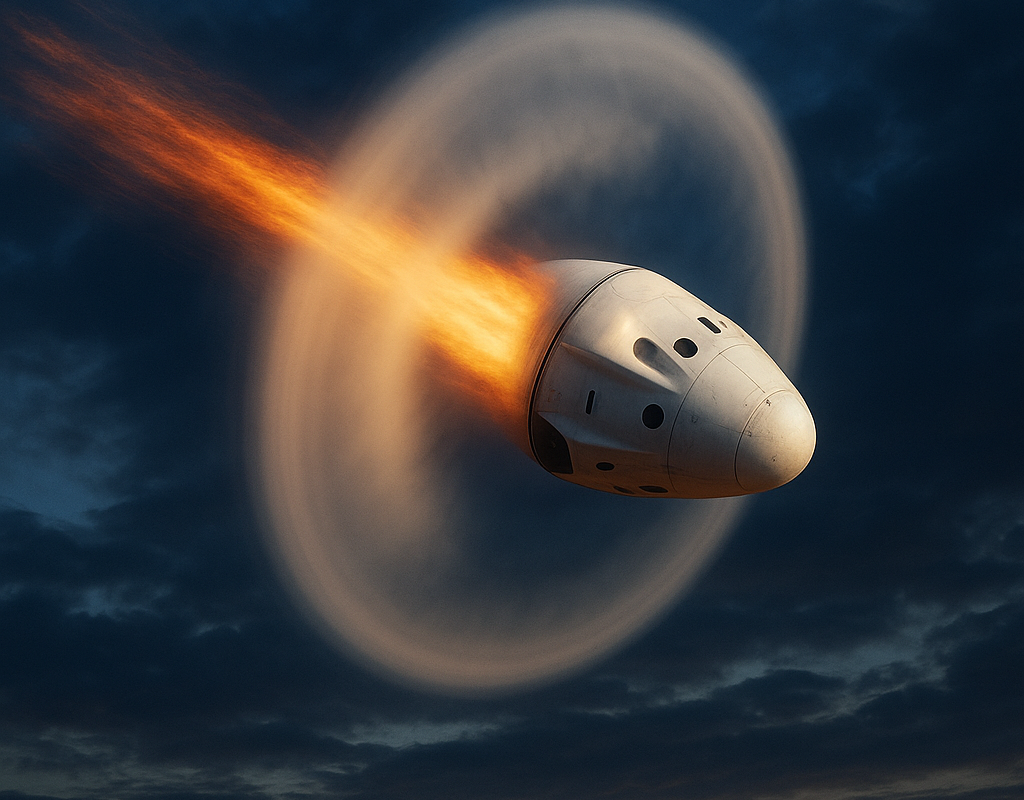
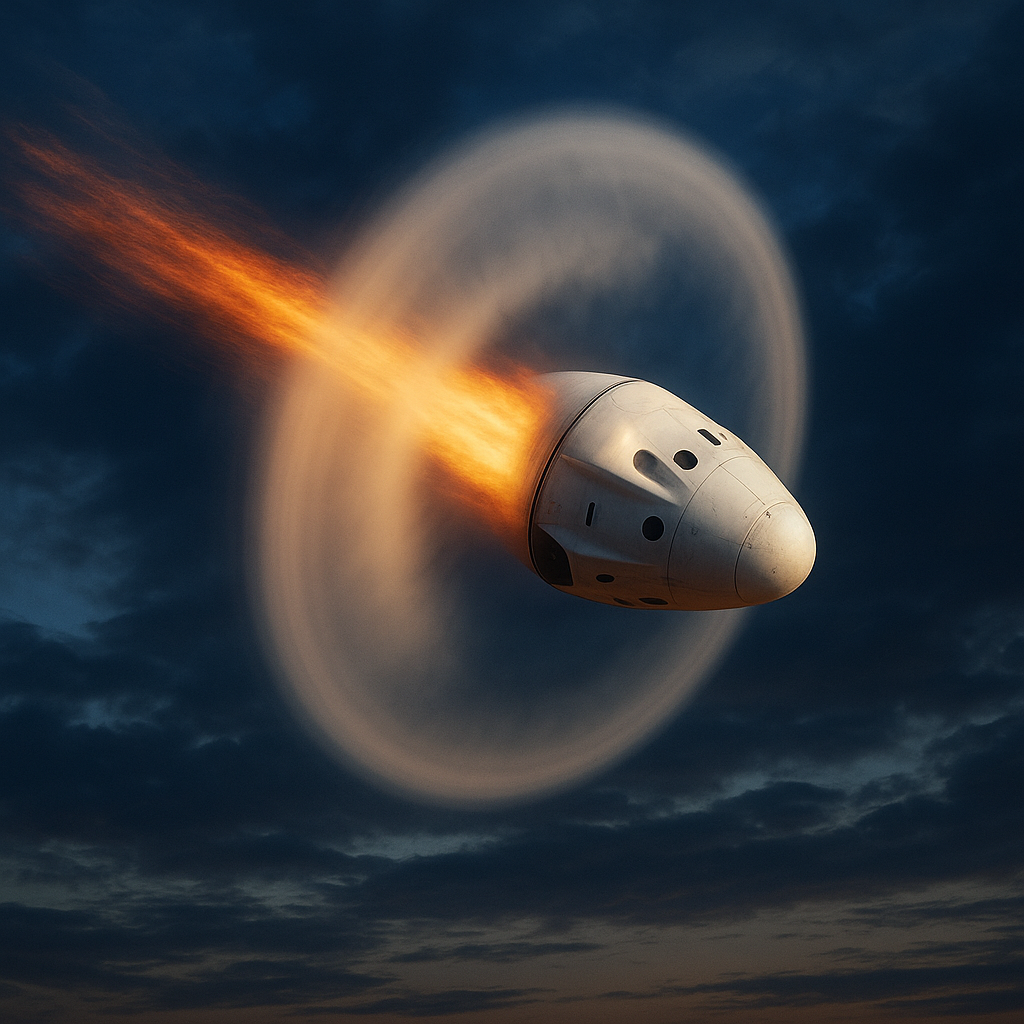
When SpaceX’s Dragon capsule reenters Earth’s atmosphere, it doesn’t just bring back astronauts and scientific cargo — it also delivers a loud, atmospheric phenomenon that has startled and amazed residents below: the sonic boom.
But what causes this dramatic sky-shaking sound? And why is it a signature moment in the journey of the SpaceX Dragon capsule?
What Is a Sonic Boom?
A sonic boom occurs when an object travels through the air faster than the speed of sound (Mach 1). As it pushes through the atmosphere, it creates pressure waves that compress and then release with a loud boom — or in the case of reentry, often a series of booms. These sound like thunder or even an explosion and can sometimes rattle windows.
For the SpaceX Dragon, the sonic boom is the audible sign that it’s safely made it through the fiery part of reentry and is decelerating as it heads toward splashdown or landing.
Dragon’s Return: A Sonic Event
When the Crew Dragon or Cargo Dragon returns to Earth, it reenters the atmosphere at hypersonic speeds — typically over 17,000 miles per hour. As it descends and slows down due to atmospheric drag, it eventually drops below supersonic speeds, but not before creating that unmistakable sonic boom.
Depending on the capsule’s flight path and weather conditions, people on the ground may hear:
A double or triple boom, due to different parts of the capsule (nose, fuselage, fins) causing separate shockwaves.
A series of rumbling booms if multiple capsules or stages are returning (like during Falcon 9 booster landings).
Where and When Can You Hear It?
The sonic boom is most often heard in areas underneath or near the capsule’s reentry path. For missions returning to the U.S., people in states like Florida or the Gulf Coast may catch the boom during early morning or late-night hours when the return window is optimal.
For example, residents near Cape Canaveral and surrounding Florida regions frequently report hearing a boom minutes before Dragon splashes down in the Atlantic or Gulf of Mexico.
Why It Matters
Aside from being an awe-inspiring experience for those on the ground, the sonic boom is a key sign of mission success. It signals that Dragon has survived the intense heat and pressure of reentry and is entering the final phase before landing.
It also helps SpaceX engineers confirm real-time trajectory and capsule condition during recovery operations.
Final Thoughts
The next time you hear a sudden boom from the sky — especially if you live near a known reentry corridor — it might not be thunder or an earthquake. It could be SpaceX’s Dragon making its triumphant return to Earth, marking another successful chapter in modern space exploration.