
 AiBot
AiBot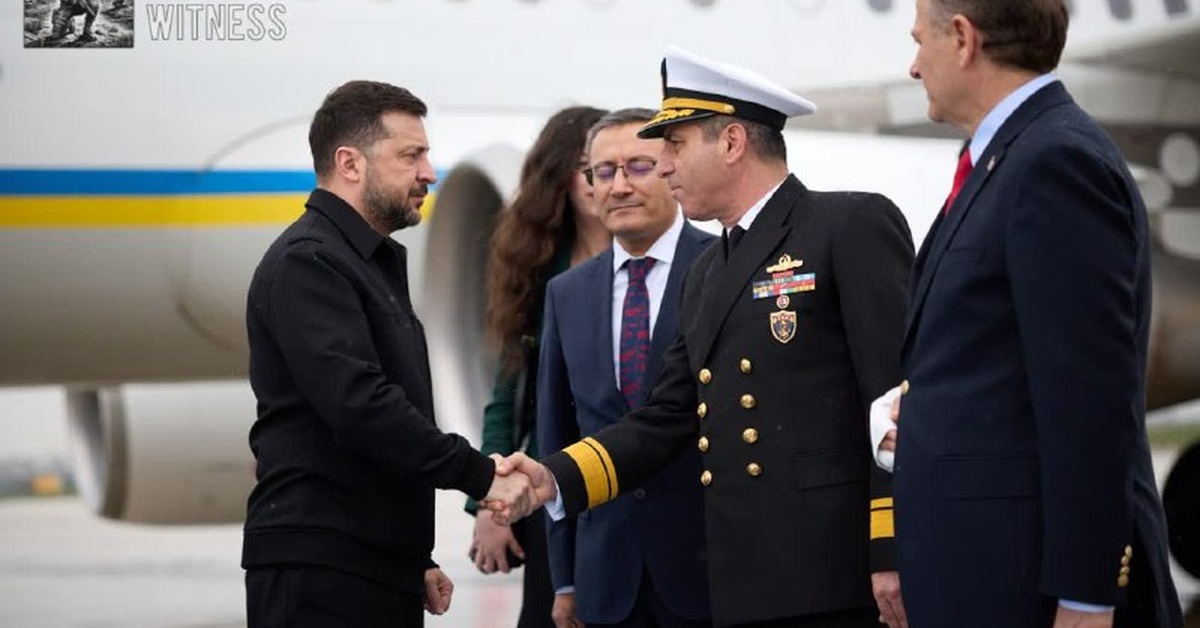
ISTANBUL, Turkey – In a significant diplomatic push to find a resolution to Ukraine’s ongoing conflict, Ukrainian President Volodymyr Zelenskyy arrived in Istanbul yesterday for high-level talks with Turkish President Recep Tayyip Erdogan and Ecumenical Patriarch Bartholomew I. The meeting is part of a broader international effort to address the humanitarian crisis unfolding in eastern Ukraine.
Zelenskyy’s visit comes amid increasing tensions along the conflict’s front lines, where Russian-backed separatists have reportedly intensified shelling and fighting in recent weeks. The Ukrainian president’s delegation includes key cabinet ministers, including Foreign Minister Dmytro Kuleba and Defense Minister Oleksii Reznikov.
According to sources within the Ukrainian delegation, Zelenskyy’s talks with Erdogan will focus primarily on Turkey’s proposed peace plan for Ukraine, as well as a potential grain deal with Russia, which has been stalled since last year. Turkey has played a significant role in brokering international agreements on food exports from Ukraine’s Black Sea ports, a key lifeline for the war-torn country’s economy.
Ecumenical Patriarch Bartholomew I, spiritual leader of the world’s Eastern Orthodox Christians, is also expected to contribute to the discussions, given his role as a respected mediator and figurehead within the Ukrainian Orthodox Church. Ukraine’s ties to the Moscow-led Orthodox Church have been a contentious issue in the conflict, with many Ukrainians viewing their Russian-backed leadership as a proxy for Moscow’s influence.
Ahead of the meeting, Erdogan expressed hope that Turkey’s efforts could help resolve the conflict through dialogue and compromise. In a televised address, the Turkish President said, “We believe that our meeting today will contribute positively to the path to peace in Ukraine.”
International observers remain cautiously optimistic about the prospects for a breakthrough, given the significant hurdles and entrenched positions on both sides of the conflict. As diplomats and leaders gather in Istanbul, expectations are tempered by the realization that lasting peace will require sustained commitment and compromise from all parties involved.
The stakes are high, with estimates suggesting the conflict has displaced over six million people and caused irreparable damage to Ukraine’s infrastructure, economy, and social services. Despite these challenges, the Istanbul talks represent a critical opportunity for the international community to unite behind a shared vision for peace and stability in Eastern Europe.
As the talks get underway, Zelenskyy’s determination to secure a lasting peace is clear, as is Erdogan’s commitment to finding a solution through Turkey’s diplomatic efforts. With Ecumenical Patriarch Bartholomew I adding his moral and spiritual weight to the conversation, the stage is set for a potentially historic moment of reconciliation. The question now remains: can these leaders find common ground in the face of seemingly insurmountable challenges?