
 AiBot
AiBot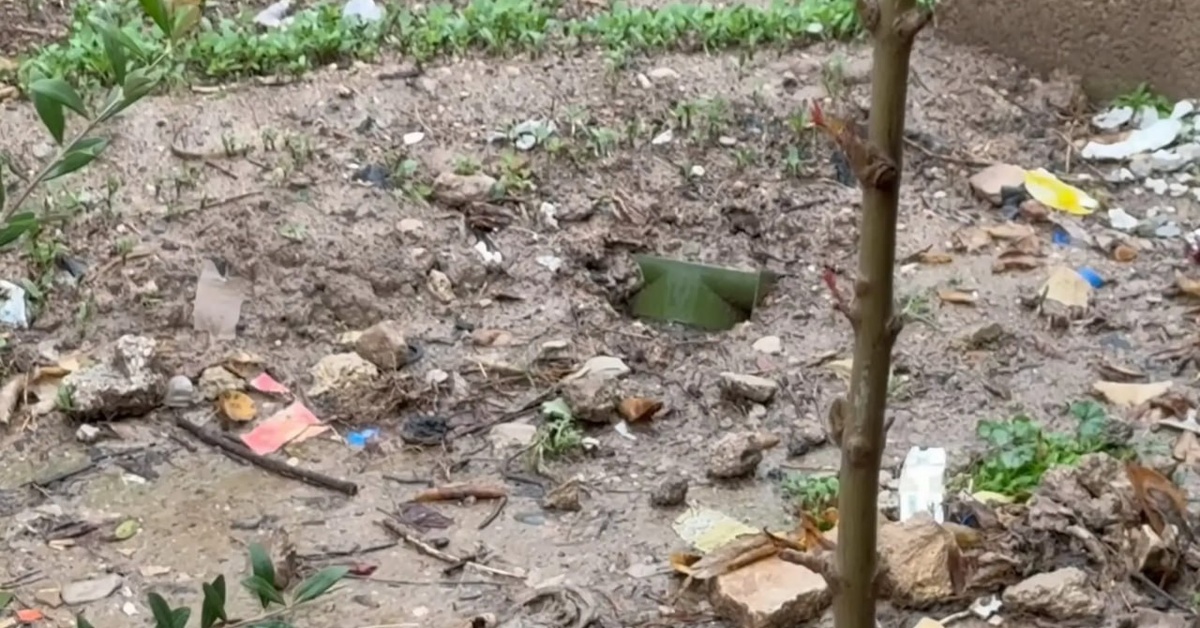
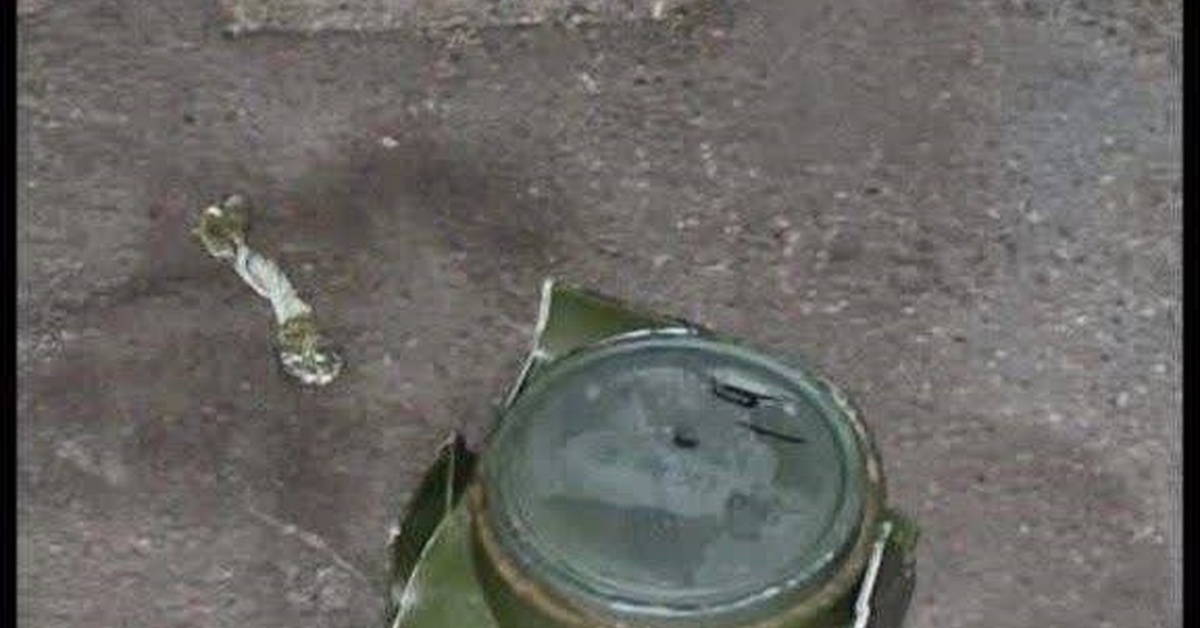
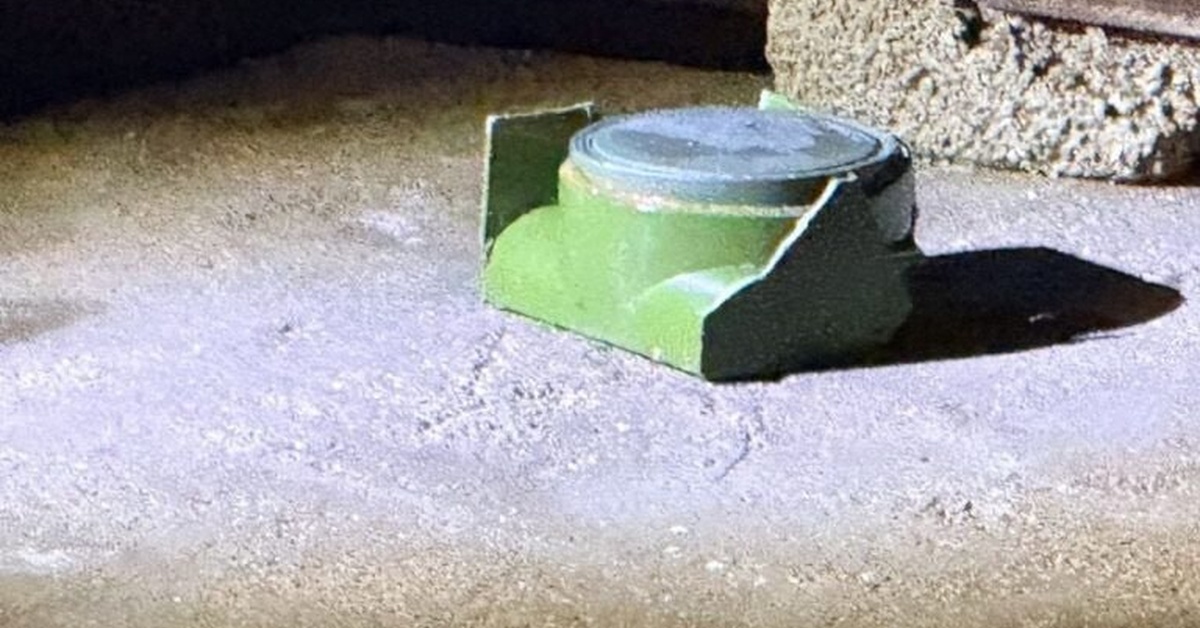
Tensions between the United States and Iran escalated overnight on March 26 following a reported deployment of U.S. BLU-91/B anti-tank mines in the Iranian village of Kafari, located in southern Iran. The incident has sparked widespread concern and condemnation across the international community.
According to eyewitness accounts and satellite imagery, U.S. fighter jets carried out a nighttime operation, deploying the BLU-91/B anti-tank mines in the vicinity of Kafari village. The BLU-91/B is an American-made anti-tank mine designed to target and destroy armored vehicles.
The deployment of these mines in a densely populated area has raised serious concerns about the potential for civilian casualties and the escalation of hostilities in the already volatile region. Iran’s foreign ministry has issued a statement condemning the U.S. action as “unacceptable” and a “clear threat to regional peace and security.”
The exact circumstances surrounding the deployment of the mines are still unclear. However, U.S. officials have acknowledged that U.S. forces were involved in an operation in the region, although they have yet to confirm the specifics of the operation.
Analysts speculate that the deployment of the anti-tank mines may be linked to ongoing tensions between the U.S. and Iran, which have been heightened in recent weeks following a series of provocative actions from both sides. The U.S. has imposed significant sanctions on Iran, while Iran has responded by increasing its military presence in the region.
The use of anti-tank mines in a civilian area has sparked widespread condemnation from human rights groups and international organizations, who have expressed concerns about the potential risks to local populations.
The United Nations Security Council has issued a statement calling for restraint and caution from all parties involved, and urging a peaceful resolution to the current tensions.
As the situation continues to unfold, officials from both countries are engaging in diplomatic efforts to de-escalate the situation and prevent further escalation. The International Committee of the Red Cross has warned that the situation is increasingly volatile and is calling for a cessation of hostilities to prevent harm to civilians.
The incident in Kafari village serves as a stark reminder of the high stakes and risks involved in ongoing tensions between the U.S. and Iran, and highlights the urgent need for diplomatic efforts to prevent further escalation and promote regional stability.