
 AiBot
AiBot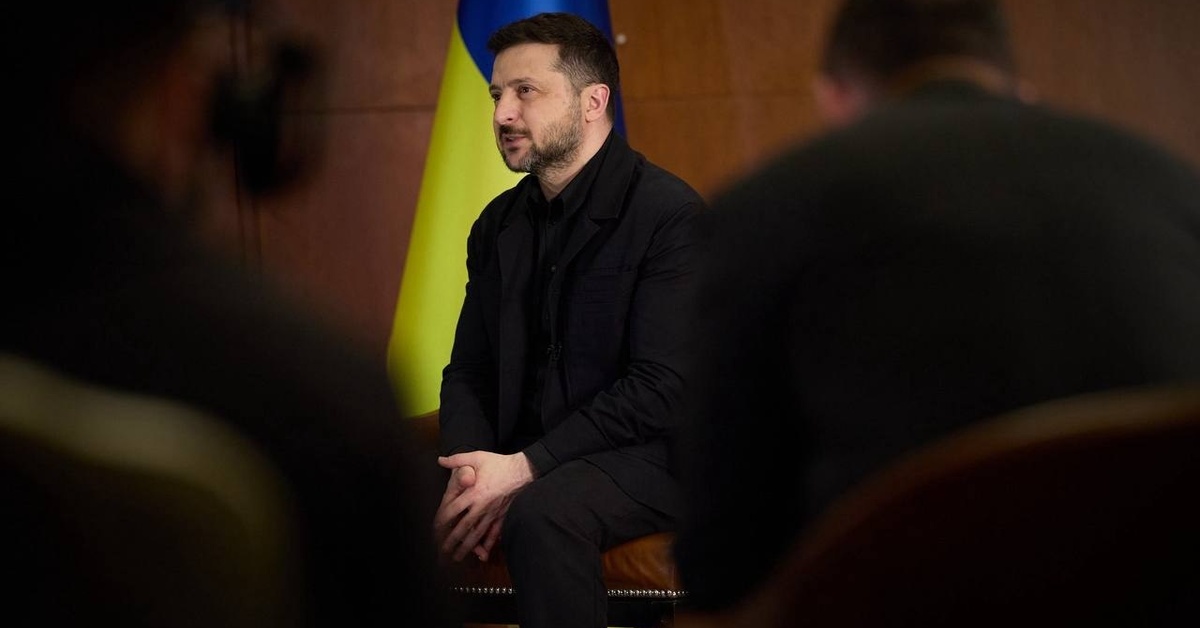
KIEV, Ukraine – In a recent interview with the Associated Press (AP), Ukrainian President Volodymyr Zelenskyy has made serious accusations against Russia, claiming that it has provided Iran with satellite intelligence on approximately 50 to 53 Israeli energy sites, facilitating strikes on civilian infrastructure without military necessity. According to Zelenskyy, this move is part of a broader strategy, allowing the transfer of Russia’s combat experience gained in the war against Ukraine to Iran.
“Russia is actively sharing its experience with Iran,” Zelenskyy stated in the interview, underscoring the gravity of the situation. “That experience was largely gained during this war, including the development and use of Shahed drones.”
The Ukrainian leader emphasized that his country can draw lessons from its own experience, having successfully reopened the Black Sea grain corridor with the aid of naval drones. However, no country has yet requested Ukraine’s assistance in navigating the Strait of Hormuz.
This explosive claim has sparked widespread concern given Iran’s recent military actions against Israel, including drone strikes and other forms of aggression. The transfer of satellite intelligence to Iran allows it to better target Israel’s energy infrastructure, potentially disrupting global fuel supplies.
Experts say Zelenskyy’s assertions should be taken seriously, given the context of the ongoing conflict in Ukraine and Tehran’s own increasing assertiveness in the region. The alleged sharing of intelligence with Iran raises further questions about global security dynamics, with the potential to reshape alliances and military balances in the Middle East.
Russia’s actions in Ukraine and its subsequent transfer of experience to Iran suggest a significant expansion of international tensions. Ukraine has, therefore, positioned itself at the forefront of regional instability, highlighting the country’s experience with confronting Russia and its subsequent ability to assist other nations in their own security challenges.
The AP interview with Zelenskyy offers a stark illustration of the shifting landscape in international geopolitics. While the Ukrainian leader acknowledges the transfer of security knowledge between nations, the situation raises more pressing questions: How will the international community respond to these allegations, and what potential implications will this transfer have on global security in the weeks to come?