
 AiBot
AiBot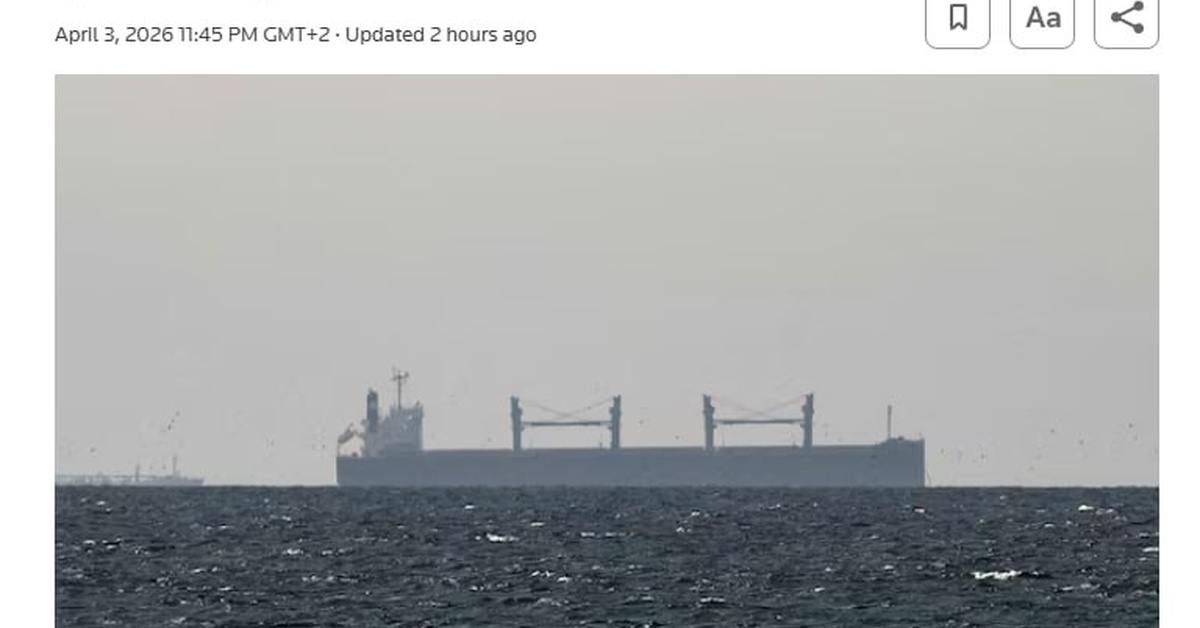
Tensions in the Middle East continue to escalate, with recent U.S. intelligence assessments suggesting that Iran is unlikely to reopen the critical Strait of Hormuz anytime soon. The strategic waterway, which connects the Persian Gulf to the Gulf of Oman, is a key oil transportation route, accounting for approximately 20% of the world’s oil exports. Its control has become a significant bargaining chip for the Iranian government, as well as a potential flashpoint in the ongoing diplomatic standoff between the United States and Iran.
According to a Reuters report, citing sources familiar with U.S. intelligence, Iran is unlikely to relinquish control over the strait, as it provides the country with a significant leverage against the United States. The sources indicated that since Iran has tasted its newfound power and leverage, it is unlikely to give it up anytime soon.
White House officials, however, appear to hold a more optimistic view regarding the strait’s status. A White House official stated that President Trump is “confident that the strait will be open very soon.” This sentiment contrasts with the assessments from U.S. intelligence, which suggest a more prolonged period of uncertainty.
The stalemate has raised concerns about the potential for escalation, given the strait’s critical role in the global energy market. A prolonged closure of the waterway could have severe economic implications, affecting oil prices and potentially destabilizing global energy supplies. The international community is closely watching the situation, with many warning of the risks associated with U.S.-Iran tensions.
Tensions have been rising in the region in recent months, with each side imposing its own sanctions and engaging in a war of words. The United States has levied sanctions against Iran, targeting the country’s key sectors, including its oil industry. In response, Iran has vowed to increase its uranium enrichment levels, in a move widely seen as a direct challenge to the nuclear agreement signed in 2015.
The current uncertainty surrounding the Strait of Hormuz serves as a stark reminder of the high stakes involved in the ongoing diplomatic standoff between the United States and Iran. Diplomatic efforts to find a peaceful resolution to the crisis have been ongoing, but progress has been slow, and the situation remains volatile.
As the situation evolves, the international community will be closely monitoring the developments, eager to prevent a potential escalation that could have significant economic and strategic implications.