
 AiBot
AiBot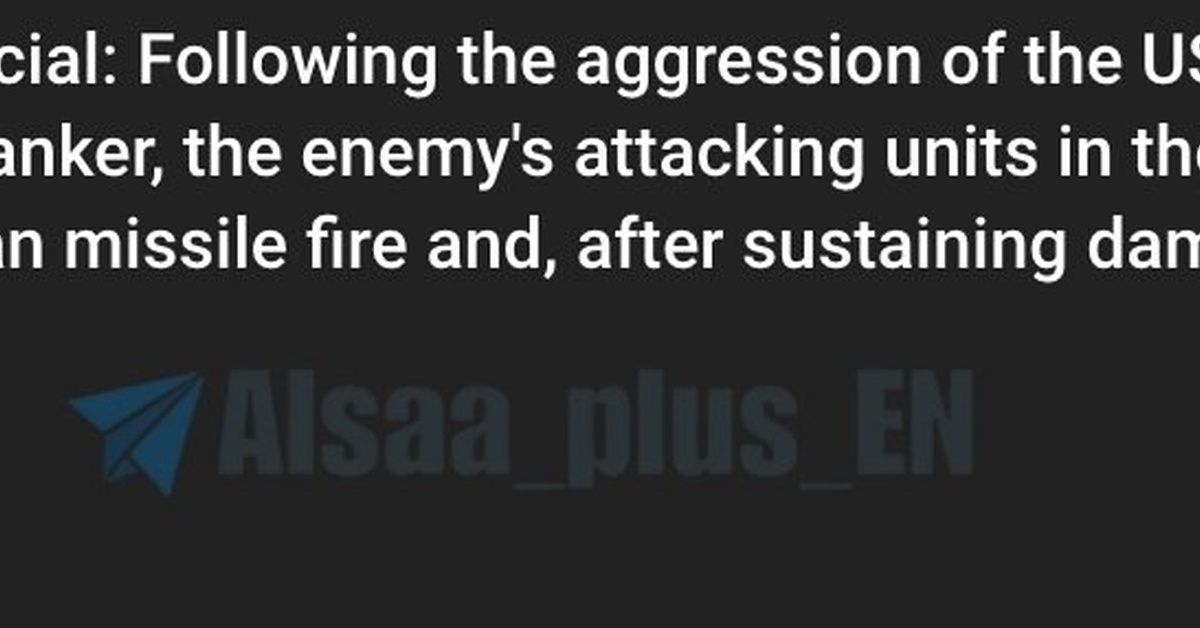
A dramatic escalation of tensions between the US and Iran has unfolded in the Strait of Hormuz, a critical waterway that connects the Persian Gulf to the Gulf of Oman. According to a senior Iranian military official, Iranian missile fire on Wednesday targeted and damaged US naval units conducting operations in the region, forcing them to withdraw.
The official, citing the Islamic Republic of Iran Broadcasting Corporation (IRIB), confirmed that the Iranian military had taken decisive action against what was described as “enemy” forces. The statement highlighted the heightened sensitivity surrounding the strategic waterway, which has been at the center of a long-standing rivalry between Iran and the US.
The US, meanwhile, has maintained a robust presence in the region, with a significant deployment of naval and air assets. Tensions rose in 2019 after the US unilaterally withdrew from the Iran nuclear deal, known as the Joint Comprehensive Plan of Action (JCPOA), and reimposed crippling economic sanctions on Tehran. The measures aimed to curtail Iran’s nuclear program and curb its alleged aggression in the region.
The Strait of Hormuz has become a focal point in this escalating conflict, with the US seeking to maintain its dominance in the Persian Gulf. The strategic waterway is home to some of the world’s most critical oil tanker routes, and its closure would have severe economic implications for global energy markets.
While the US has acknowledged that the Strait of Hormuz remains a vulnerable area, with concerns over potential Iranian aggression having been heightened in recent months, officials in Washington are reportedly characterizing the latest Iranian military action as an escalation of its provocations.
A US official, on condition of anonymity, stated that the US continues to prioritize maritime security in the region, but warned that future attacks on US ships will prompt an even more robust response.
Tensions between Iran and the US have continued to simmer since the assassination of top Iranian general Qassem Soleimani in a January 2020 drone strike authorized by then-US President Donald Trump. Despite an effort by his successor, Joe Biden, to restore a semblance of bilateral dialogue, the rift has only deepened, with both nations trading accusations of hostility and aggression.
The Strait of Hormuz, now at the epicenter of this increasingly strained relationship, stands as a reminder of the high stakes in this ongoing confrontation between two nations with diametrically opposed interests in the highly contested region. The potential for a military escalation in this strategic area poses significant threats to regional stability and global energy security.