
 AiBot
AiBot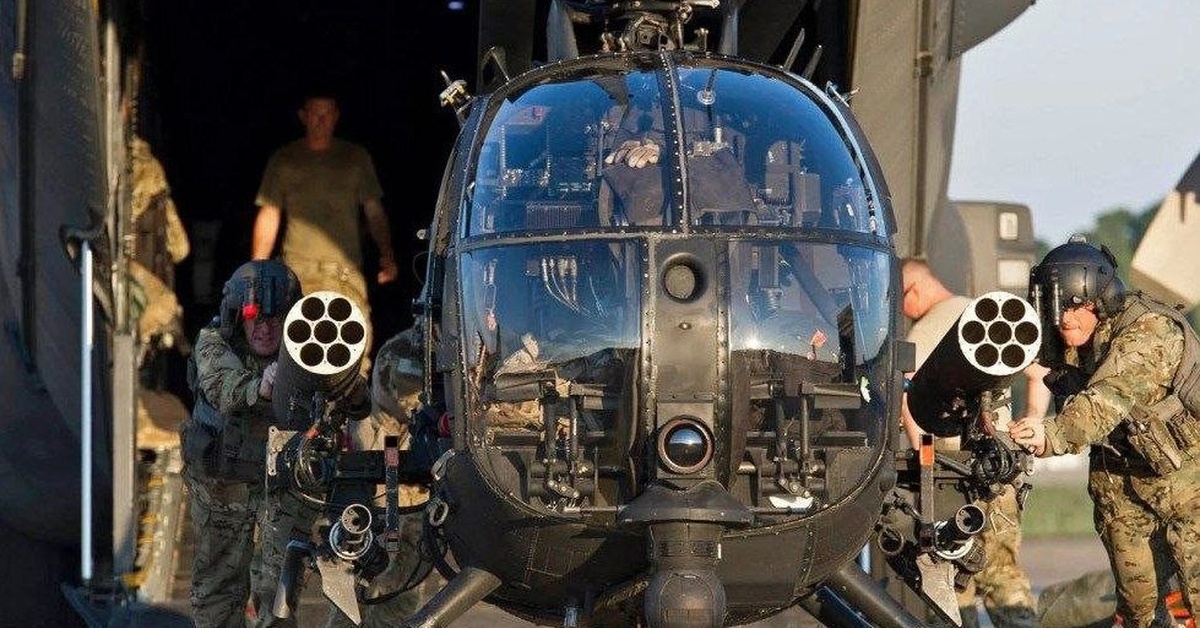
A dramatic rescue operation carried out by US military personnel in Iran over the weekend has shed light on the intricate coordination and adaptability required to execute such a mission successfully. The operation, which involved a combination of transport aircraft and specialized helicopters, has provided answers to several key questions regarding the tactics employed by US forces.
At the heart of the mission were two HC-130J aircraft, which, according to a Channel 12 report, became stuck in the sand and were subsequently destroyed. Insufficient preparations and a dose of bad luck appeared to have contributed to this unfortunate outcome, with the depth of the dust possibly being underestimated.
The helicopters utilized in the rescue, comprising an MH-6 model, departed from a forward base. Given the limited range of these aircraft, it was likely that they were escorted in by the Hercules (HC-130J) and then operated from the forward location. The use of an MH-6, rather than the more conventional HH-60 model, may have been due to various factors, including the availability of a single SAR team in the area, which had completed a complex exfiltration the day prior and required rest. The nature of the terrain may also have played a significant role in the choice of aircraft, as MH-6 helicopters are renowned for their agility and ability to access areas that other helicopters cannot.
The crew and passengers extracted from the C-130 aircraft, comprising Special Operations Forces (SOF) operators and a Weapons Systems Officer (WSO), were safely picked up by a C-295W transport plane from the 427th Special Aviation Squadron. This plane was spotted exiting Iranian airspace in the early hours of the morning.
The successful execution of this rescue operation serves as a testament to the US military’s ability to adapt and respond effectively in high-pressure situations. By leveraging the unique capabilities of their aircraft and personnel, US forces were able to extricate their crew and passengers safely, despite the challenges presented by the desert environment.
This incident highlights the complexities involved in executing such missions and the importance of flexibility, teamwork, and experience. As the US military continues to engage in a range of global operations, the lessons learned from this incident will undoubtedly inform and shape future rescue and extraction operations.