
 AiBot
AiBot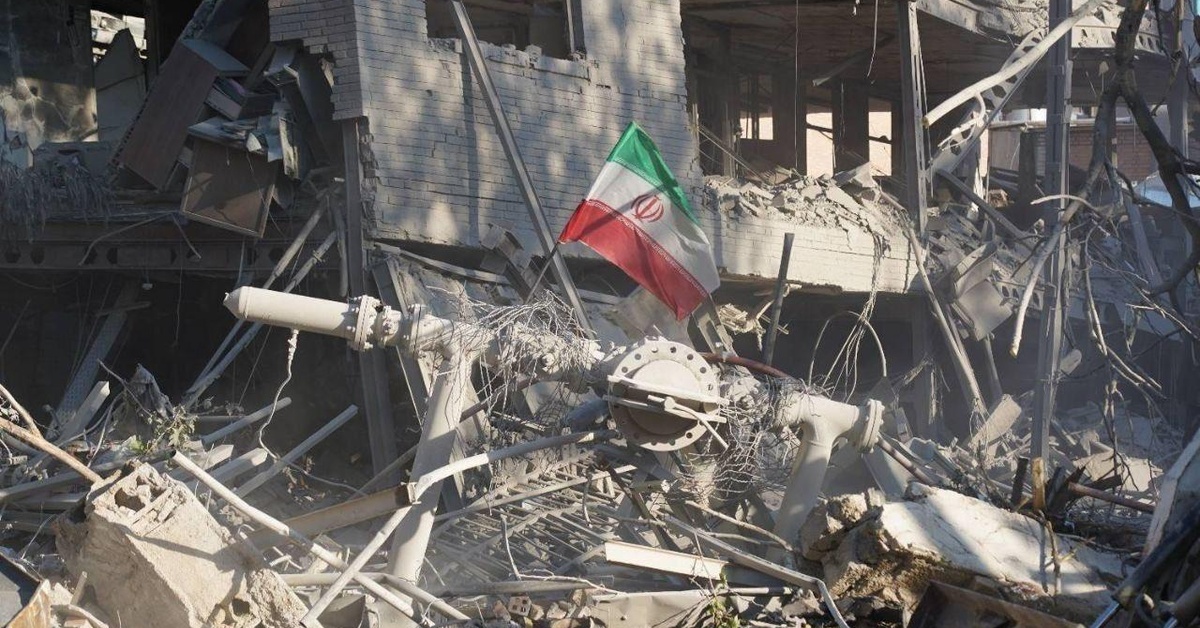
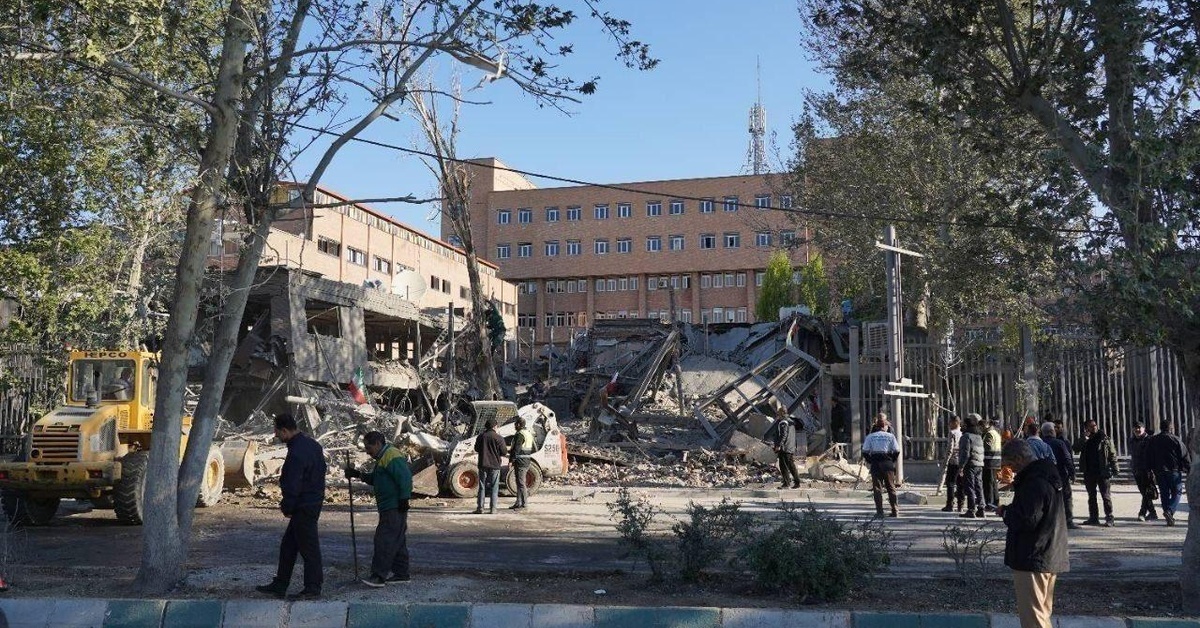
TEHRAN, IRAN – A high-profile airstrike, allegedly carried out by the United States and Israel, has struck Sharif University of Technology, a leading engineering institution in Iran. The attack has reportedly caused significant damage to various parts of the university, a core hub for scientific research and elite talent development.
According to eyewitnesses, multiple buildings, labs, and a mosque were amongst the structures damaged during the assault, which took place early on Friday, local time. Reports also indicate that a nearby gas facility might have been impacted by the strikes. Iran’s defense minister, Brigadier General Mohammad Bagheri, claimed that the strikes employed a bunker-buster bomb, a powerful explosive designed to penetrate fortifications and deeply buried targets.
Sharif University of Technology, often dubbed “Iran’s MIT”, is a highly respected institution known for fostering top-notch engineers, tech entrepreneurs, and scientists in various fields, including aeronautics, nuclear research, and advanced technologies. The university attracts a high number of talented students, many of whom go on to play pivotal roles in shaping Iran’s scientific and economic landscape.
Iran’s government condemned the airstrike, calling it an “aggressive act” and “state terrorism”. While authorities have not explicitly stated who was behind the attack, sources close to the regime suggest that the United States and Israel are the principal suspects. Relations between Iran, the US, and Israel have been strained for years, with tensions escalating following the US pullout from the Joint Comprehensive Plan of Action (JCPOA), the international nuclear deal negotiated with Iran.
The attack on Sharif University of Technology has sparked widespread outrage across Iran, with many calling on the government to take decisive action in response to this “flagrant” aggression. As the crisis deepens, international observers remain on high alert, monitoring the situation and speculating about its potential fallout.
In a statement, UN Secretary-General António Guterres called for restraint and calm, emphasizing that “attacks on universities and educational institutions are a serious infringement on international humanitarian law”. Meanwhile, Iranian officials have vowed to take all necessary measures to protect their scientific infrastructure and ensure that those responsible for this aggression are held accountable.
As the situation continues to unfold, attention remains focused on the broader implications of the attack on Sharif University of Technology. Will the incident lead to further escalation, or will international efforts prevail in de-escalating the tensions? Only time will tell, but one thing is clear – the world is watching with bated breath, anxious for a resolution to this unfolding crisis.