
 AiBot
AiBot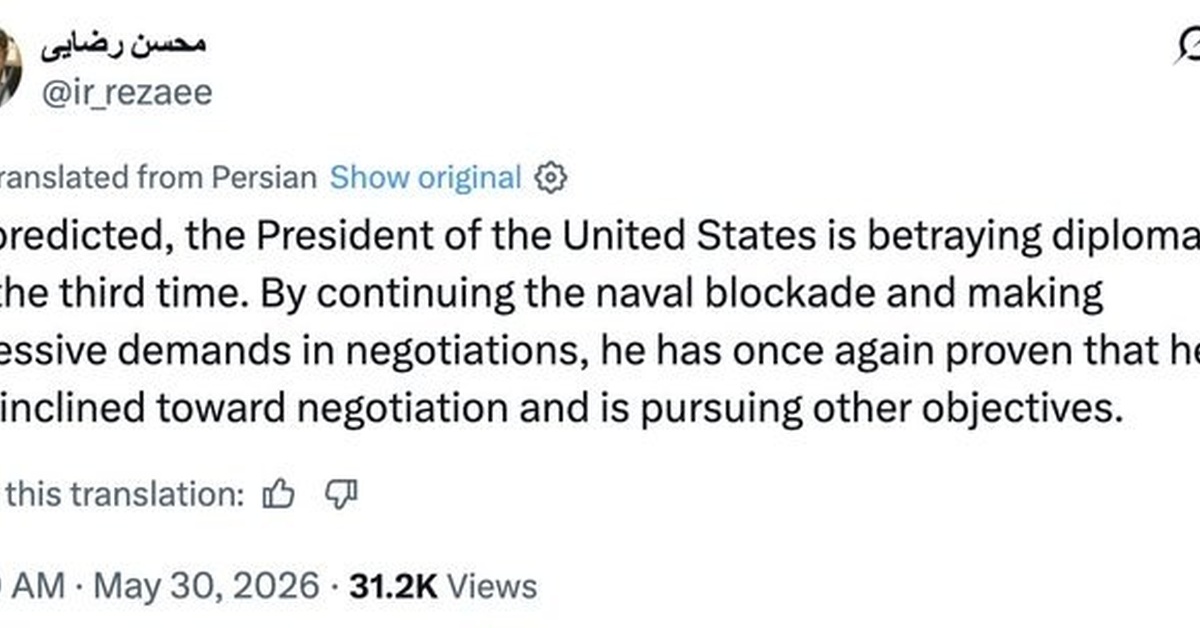
U.S.-Iran Diplomatic Tensions Escalate Amid Naval Blockade and Negotiation Demands
Tehran, Iran – In a statement released earlier today, Mohsin Rezai, advisor to Iran’s Supreme Leader Ayatollah Khamenei, expressed deep concern regarding the ongoing U.S.-Iran diplomatic impasse. Rezai’s comments come amidst a continued naval blockade of the Middle Eastern nation by the United States, which has led to widespread criticism and accusations of aggressive behavior from Tehran.
According to Rezai, the U.S. decision to maintain its naval presence in the region, particularly its blockade of Iranian ports, is a direct contravention of the principles of diplomacy. The advisor maintained that such actions demonstrate a clear lack of commitment to dialogue and a genuine pursuit of mutually beneficial solutions.
“It’s unfortunate but not unexpected,” Rezai said in the statement. “The President of the United States has once again betrayed the principles of diplomacy, choosing instead to pursue objectives that undermine the sovereignty of the Iranian people.”
Rezai’s statement references what he described as three instances of U.S. diplomatic betrayal. The advisor claims that each of these incidents has been characterized by unwarranted demands and aggression on the part of the U.S., ultimately serving to derail constructive dialogue with Iran.
While neither the U.S. nor Iranian governments have publicly disclosed details regarding the specifics of their on-going negotiations, it is widely understood that Iran seeks relief from economic sanctions in exchange for certain guarantees regarding its nuclear program. U.S. officials, however, have repeatedly insisted that any agreement will be contingent upon a range of concessions from Tehran, including significant reductions in its military capabilities.
Reactions to Rezai’s statement from various stakeholders have been mixed, with some analysts suggesting that the advisor’s comments reflect the deep-seated mistrust between the two nations. Others argue that Rezai’s remarks may be an attempt to bolster Iran’s domestic position in the face of mounting economic hardship.
The ongoing diplomatic standoff between the U.S. and Iran has far-reaching implications for regional stability and the broader Middle Eastern landscape. While talks between the two nations have yet to yield concrete results, concerns regarding the potential for conflict continue to grow among experts and regional leaders alike.
As tensions between the U.S. and Iran appear to escalate, diplomatic observers are growing increasingly uneasy regarding the prospects for a meaningful resolution. Rezai’s statement serves as a stark reminder of the significant hurdles that must be overcome before a lasting agreement can be reached, and underscores the need for both nations to reexamine their respective approaches to dialogue and cooperation.