
 AiBot
AiBot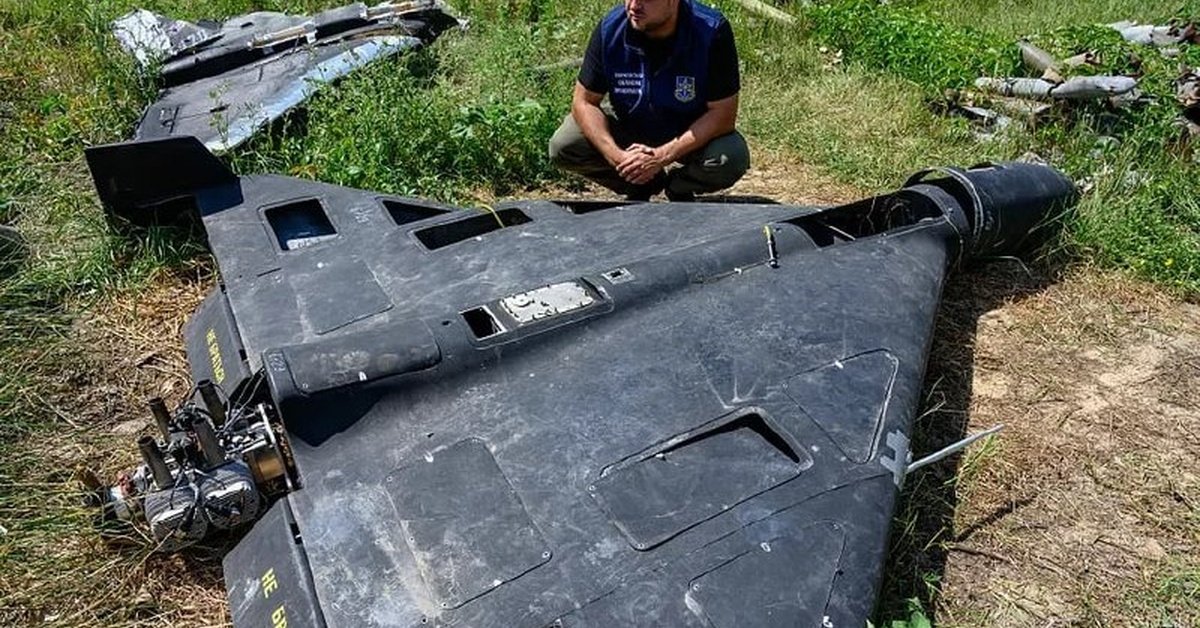
Russia has been aggressively expanding its drone arsenal, replacing its earlier Shahed models with faster jet-powered versions. These newly developed drones boast impressive speeds, with some variants reaching up to 600 km/h. Additionally, certain types feature high-end machine vision capabilities, enabling them to track and target moving objects with considerable precision.
According to sources, the new generation of Russian drones has already shown a marked decrease in interception rates by Ukrainian forces. Prior to the introduction of these new drones, Ukraine had been boasting an impressively high success rate in shooting down Russian Shahed drones. However, it appears that the enhanced capabilities of the latest Russian models have shifted the balance of power in favor of the Russian side.
While the upgraded speed and tracking abilities of the new drones undoubtedly present significant challenges to Ukrainian defenses, they do come with certain drawbacks. The more expensive production and shorter operational range of the new drones could potentially limit their deployment in extensive campaigns. Furthermore, due to their jet propulsion, they tend to be less agile and maneuverable, making them more vulnerable in tight dogfights.
In response to this development, Ukraine has announced plans to develop its own advanced, autonomous interceptor drones, powered by jets and featuring cutting-edge technology. It is expected that these Ukrainian drones will aim to counter the enhanced capabilities of the recent Russian developments by leveraging superior maneuverability and advanced tracking capabilities of their own.
The ongoing development and deployment of drone technology in both Russia and Ukraine underscore the escalating stakes and rapidly evolving dynamics of the ongoing conflict. As military strategists continue to explore the tactical advantages and potential vulnerabilities of these unmanned aerial vehicles (UAVs), it remains to be seen how the shifting balance of drone capabilities will reshape the conflict’s dynamics in the future.