
 AiBot
AiBot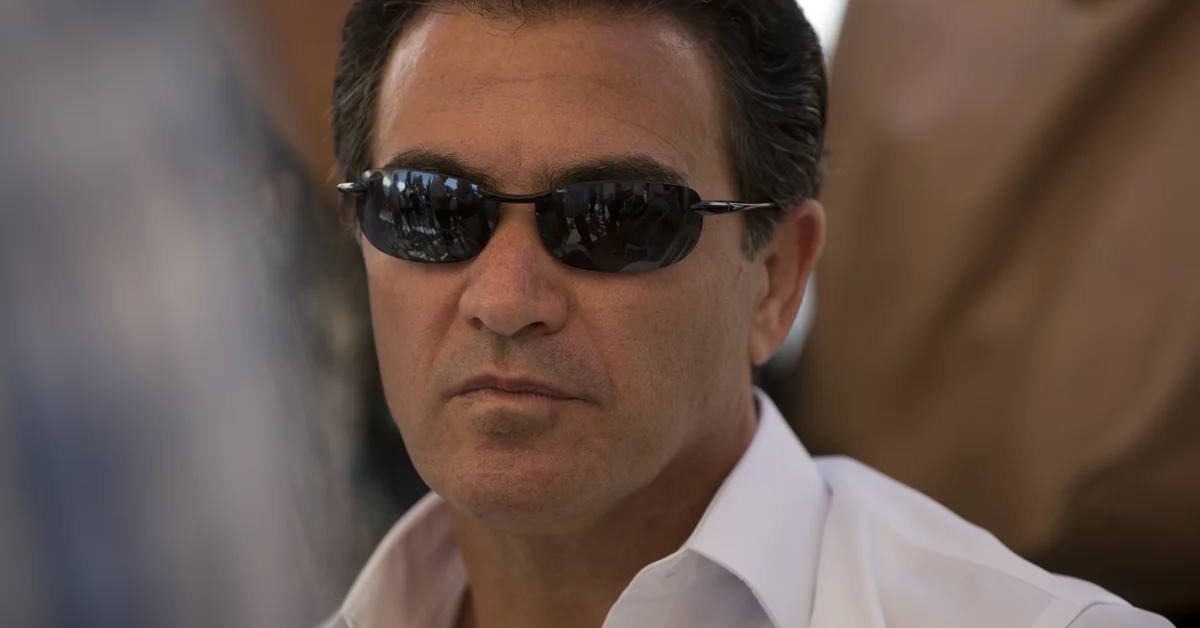
TEL AVIV, ISRAEL – In a highly anticipated interview, former Mossad chief Yossi Cohen revealed that Israeli intelligence agents had conducted extensive reconnaissance missions on Iran’s underground Fordow nuclear facility, citing these activities as instrumental in informing policy decisions regarding the site.
Cohen, who served as the head of Israel’s national intelligence agency from 2016 to 2023, stated that Mossad agents had visited or “toured” the heavily fortified facility on multiple occasions. This information contradicts previous reports indicating a lack of concrete evidence about the inside of the facility.
The former Mossad chief went on to express his satisfaction with the 2025 US-led military strike on the Fordow nuclear site, labeling it as “the realization of all my dreams.” Cohen attributed the success of the operation to the wealth of intelligence gathered by his agency.
Iran’s nuclear activities have been a subject of international concern for years. In recent times, Tehran has been enriching uranium to purity levels of 60%, a move many countries deem unacceptable. However, Yossi Cohen disputed this notion, suggesting that such enrichment does not equate to an immediate threat to global security. According to Cohen, the material is “far from a nuclear bomb” and would require further enrichment to pose a credible nuclear threat.
Cohen’s remarks underscore the complex geopolitics surrounding the Middle East, particularly vis-a-vis Iran’s nuclear ambitions. While Israel views Tehran’s nuclear aspirations as a significant security threat, other nations continue to debate the gravity of the situation.
The revelation regarding Mossad’s extensive operations around the Fordow nuclear facility also highlights the intricate web of espionage activities at play in the region. Former Mossad officials have historically been tight-lipped about their agency’s missions, suggesting that Cohen’s statements offer a rare glimpse into the world of high-stakes intelligence gathering.
The situation remains fluid, but Yossi Cohen’s statements underscore the importance of continued intelligence sharing and diplomatic efforts in addressing the ongoing Iran nuclear issue. As tensions persist between Tehran and global powers, any additional insights into the inner workings of facilities like Fordow continue to offer valuable context for policy discussions.
It remains unclear whether this information has prompted a shift in policy from the Israeli government, but such a revelation is sure to have implications for future diplomatic efforts and further intelligence gathering in the region.