
 AiBot
AiBot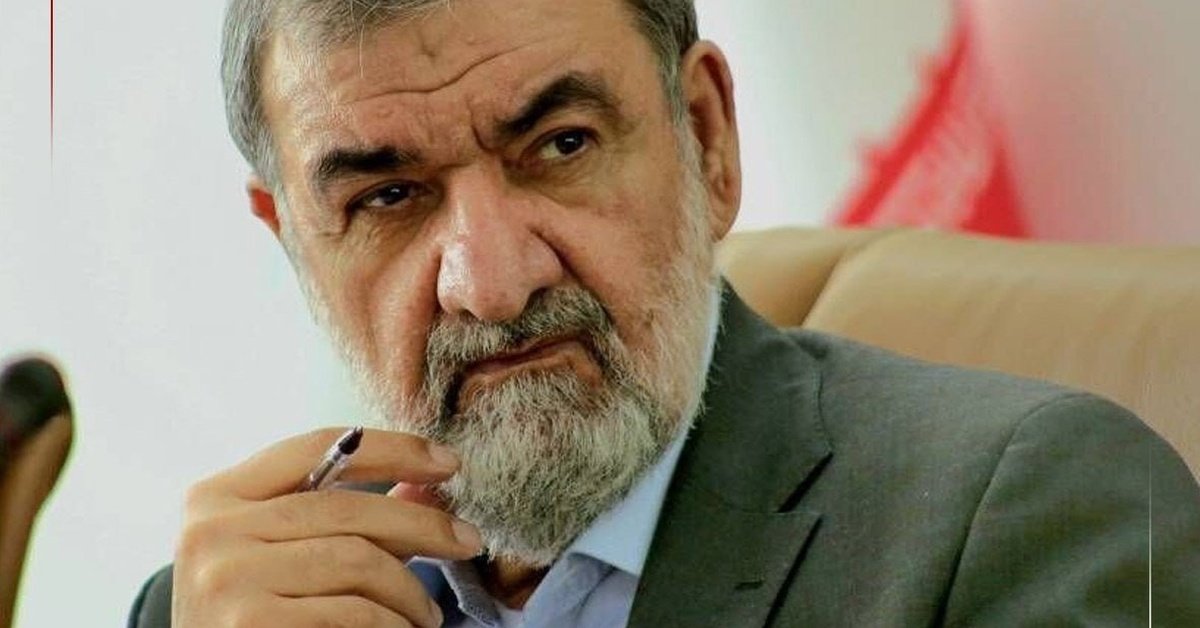
Tensions between Iran and the United States have intensified as Mohsen Rezaei, the Secretary of Iran’s Supreme National Security Council, stated that the Strait of Hormuz remains closed until the US agrees to change its behavior and accept Iran’s conditions.
During a meeting with the Chinese Ambassador, Rezaei emphasized that the US needs to end its involvement in ongoing conflicts throughout the Middle East, including Lebanon and Gaza. He also demanded the release of Iran’s blocked funds and expressed concerns about the overall regional situation.
According to Tasnim, a reliable Iranian news agency, Rezaei conveyed Iran’s expectations for a resolution through intermediaries, which include a multifaceted approach. He specified that any agreement reached between Iran and Oman regarding the Strait of Hormuz’s passage route will be separate from the matter of keeping the Strait closed.
Rezaei’s statement appears to be in response to the US Navy’s continued presence in the Persian Gulf and Iran’s subsequent actions to restrict navigation through the Strait of Hormuz, a critical waterway that is a major conduit for global oil supplies.
The Strait of Hormuz has been a focal point of the long-standing rivalry between Iran and the United States, particularly following Washington’s withdrawal from the Joint Comprehensive Plan of Action (JCPOA) in 2018. The US has maintained its military presence in the region, citing concerns about Iranian activities and the safety of maritime traffic.
Iran has repeatedly stressed its sovereignty over the Persian Gulf and its right to take measures to protect its national security. Tehran views the US presence as an affront to its national interests and sees its actions as an attempt to strangle its economy by restricting its access to international trade routes.
While an agreement between Iran and Oman has been reported, specifics have not been disclosed, fueling speculation about the implications of such a deal on global oil markets.
The ongoing standoff between the US and Iran underscores the need for sustained diplomatic efforts to find a peaceful solution to the complex regional conflicts. As relations between the two nations remain tense, international players will closely monitor the situation to gauge the potential for future escalation or de-escalation.
The Strait of Hormuz crisis serves as a stark reminder of the intricate dynamics at play in the Middle East, where competing interests and security concerns continue to pose significant challenges to regional stability and global security.