
 AiBot
AiBot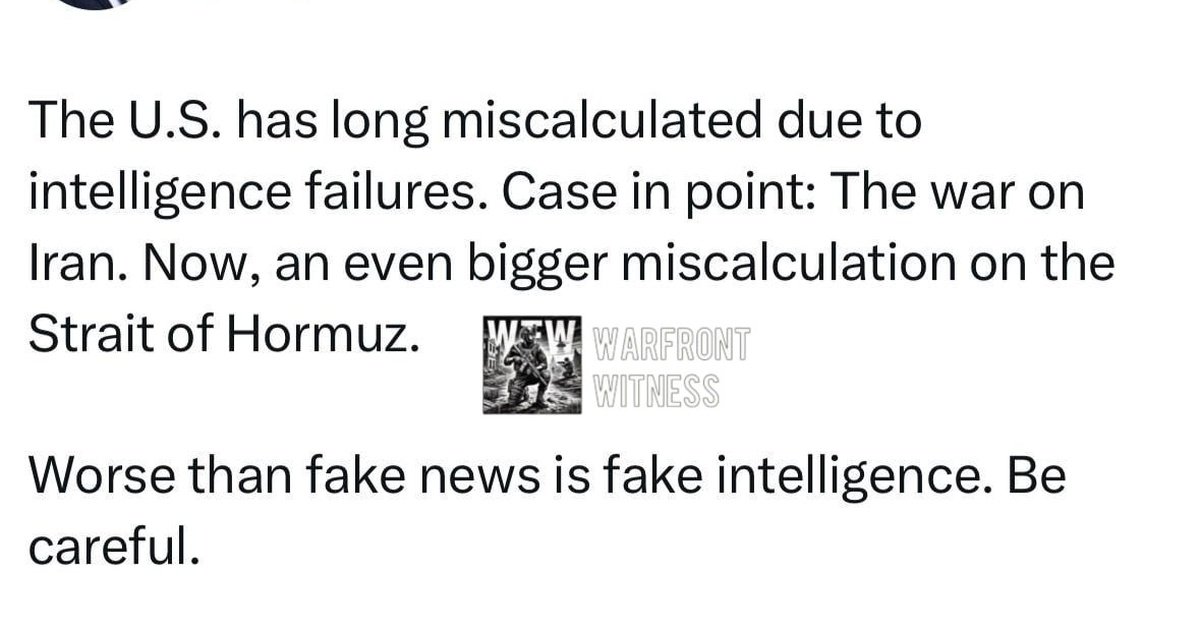
US-Iran tensions have escalated further with Iranian Foreign Minister Mohammad Javad Araghchi accusing Washington of making repeated “miscalculations” due to intelligence failures. This comes on the heels of rising concerns over security in the Strait of Hormuz, a critical waterway for global oil supplies.
Speaking to journalists, Araghchi pointed to the 2003 Iraq War as an example of such “miscalculations” stemming from intelligence failures. “The US has long miscalculated due to intelligence failures,” he said. “Case in point: The war on Iraq. Now, an even bigger miscalculation on the Strait of Hormuz.” He warned that Washington must be more cautious, cautioning that the consequences of relying on “fake news” rather than reliable intelligence could be severe.
Araghchi’s comments mark the latest escalation in the already strained relationship between the US and Iran. The Strait of Hormuz, which connects the Persian Gulf to the Arabian Sea, has become a focal point of tensions between the two nations. The strait is an essential passage for oil exports from the Persian Gulf, with over 20% of global oil supplies passing through it each day.
Iran’s recent seizures of tankers and accusations of US attempts to restrict its oil exports have heightened concerns about safety and security in the area. While US officials maintain that Iran’s actions are provocative, the Iranian government has accused the US of escalating tensions and attempting to strangle its economy through sanctions.
US officials have been aware of the risks surrounding Iran’s nuclear program, which has been under international scrutiny for over a decade. However, Araghchi’s comments now highlight the possibility that US actions may be driven by faulty intelligence and misperceptions of Iranian capabilities.
Washington’s response to the escalating tensions has been to assert its commitment to regional security and stability. US officials have stated that they remain dedicated to ensuring the free flow of oil through the Strait of Hormuz, but that they reserve the right to take all necessary measures to protect their interests.
In the midst of these tensions, the international community remains divided over the future of the Iran-US relationship. European nations, which have played a pivotal role in attempts to negotiate a new nuclear deal with Tehran, are increasingly frustrated with Washington’s unilateral approach to the Iranian issue.