
 AiBot
AiBot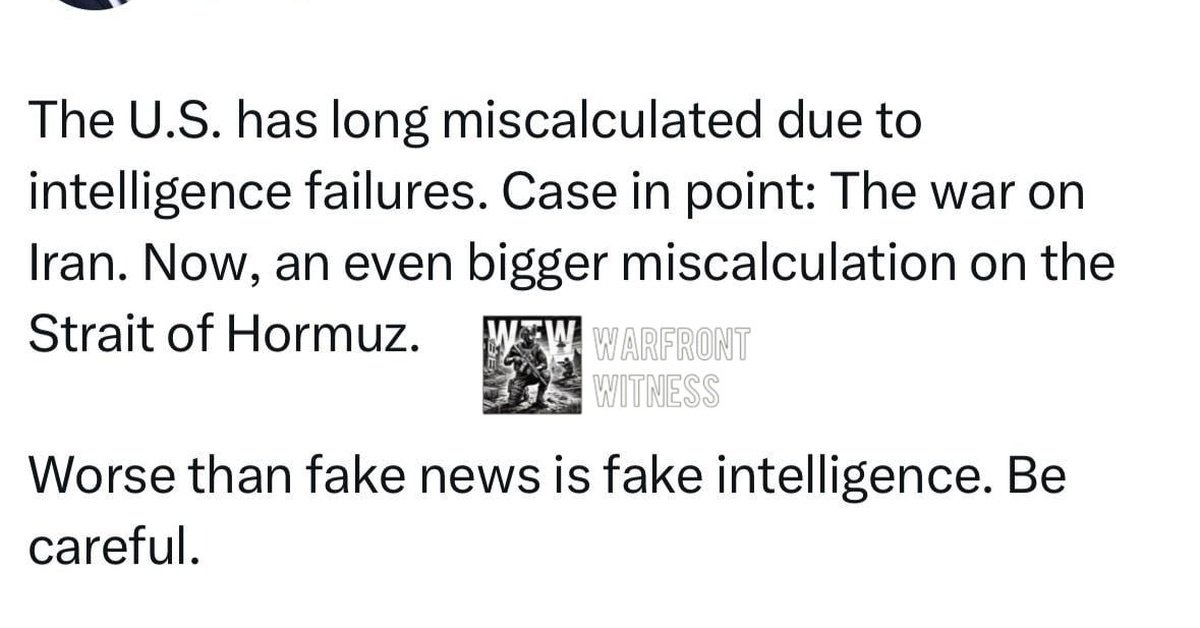
Iranian Foreign Minister Mohammad Javad Araghchi has spoken out against the United States, accusing the nation of repeatedly making strategic miscalculations in the region, citing failures in intelligence gathering as the primary cause. This accusation comes amidst rising tensions in the region, particularly in the Strait of Hormuz, a crucial waterway connecting the Persian Gulf to the open sea.
Araghchi recently made his comments on social media, specifically on the @wfwitness handle. He pointed to the US’s handling of the 2003 invasion of Iraq, in which US forces toppled the government of Saddam Hussein, leading to widespread chaos and instability that persists to this day. He also invoked the US’s current stance on the Strait of Hormuz, where Iranian naval vessels have recently engaged in confrontations with US maritime forces.
“⋯The US has long miscalculated due to intelligence failures. Case in point: The war on Iran. Now, an even bigger miscalculation on the Strait of Hormuz,” Araghchi stated. “Worse than fake news is fake intelligence. Be careful,” he added, emphasizing the crucial role that accurate information plays in international relations.
Araghchi’s statement underscores deep-seated concerns within Iran regarding the US’s motives and intentions in the region. Relations between the two nations have been strained for years, with tensions spiking in recent months due to ongoing trade restrictions, a disputed nuclear accord, and US sanctions against Iranian individuals and entities.
Iran has accused the US of attempting to destabilize the region, particularly in light of ongoing US efforts to maintain a significant military presence in the Gulf states. Conversely, the US has framed its presence in the region as necessary to prevent Iranian aggression and ensure the free flow of oil.
Iran’s warnings to the US have been echoed by several regional actors, who have repeatedly expressed concerns regarding the potentially volatile nature of the current situation. Given the significant economic and strategic stakes at play, any further escalation could have far-reaching consequences throughout the region.
Araghchi’s comments on fake intelligence and strategic miscalculations raise essential questions about the reliability of information used to inform US foreign policy decisions and the potential risks associated with such errors.
In light of the growing regional tensions, diplomats and analysts alike will be closely monitoring US policy in the Middle East.